
Flowers
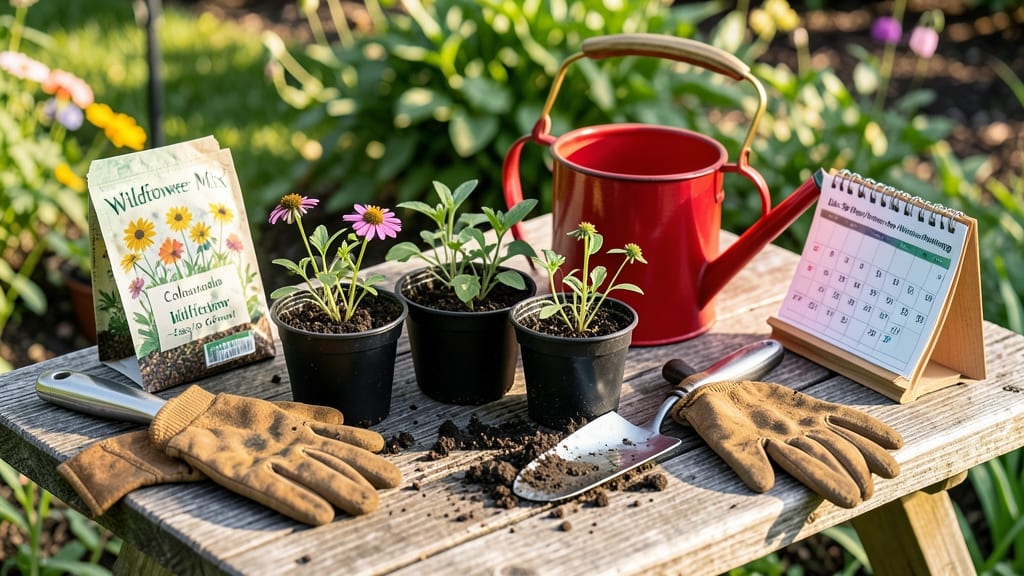
Planting the best flowers in Colorado at the wrong time can mean the difference between bold, vibrant blooms and wilted disappointment—especially when frost dates shift dramatically from the Front Range to the high plains.
The best time to plant flowers in Colorado isn’t just about calendar months; it’s about understanding your microclimate, elevation, and even soil temperature.
If you’ve ever wondered why your neighbor’s garden thrives while yours struggles, the answer often lies in timing.
Whether you’re planting annuals like petunias or perennials like coneflowers, getting it right means accounting for last frost dates (as early as April in Zone 5 or as late as May in Zone 7) and avoiding summer heat stress.
I’ll break down the exact windows—plus hacks to extend your season—so you can enjoy continuous blooms from spring to fall.
Colorado’s diverse landscapes mean what works in Denver may fail in Grand Junction or Steamboat Springs. We’ll cover everything from preparing soil for high-altitude gardens to choosing heat-tolerant varieties for late-season planting.
Ready to turn your yard into a flourishing flower paradise? Let’s dive into the science—and secrets—behind perfect timing.
From cold-hardy bulbs to sun-loving annuals, this guide ensures your flowers get the best possible start. Whether you’re a first-time gardener or a seasoned pro, these microclimate-specific tips will help you avoid common pitfalls and maximize your blooms. Let’s get growing!
Colorado’s frost-free planting zones by elevation: exact months for annuals, perennials, and bulbs
Colorado’s USDA Hardiness Zones 5-7 create wildly different planting windows—what works in Denver (Zone 5b) can fail in Grand Junction (Zone 7a). The key is understanding your elevation-based frost dates, which shift dramatically even within 50 miles.
For example, Boulder’s last frost averages May 15, while Aspen’s lingers until June 10 at 8,000ft. These differences mean your petunia timing in Fort Collins differs by 3 weeks from Colorado Springs.
To simplify, we’ll break Colorado into three distinct regions: the Front Range (3,500-7,000ft), the Western Slope (4,000-6,500ft), and Mountain Regions (7,000ft+). Each has unique soil warming speeds and frost risks.
For instance, Western Slope gardens often warm 2-3 weeks earlier than Front Range counterparts at similar elevations due to lower humidity and more direct sunlight.
Here’s the non-negotiable rule: Wait until soil temperatures hit 45°F (7°C) for annuals and 50°F (10°C) for bulbs. Use a soil thermometer—Colorado’s thin air means surface temps can be misleading.
Pro tip: Dark plastic mulch warms soil 5-10°F faster in high-altitude gardens, letting you plant 2 weeks earlier.
For annual flowers like marigolds and petunias, the sweet spot is after May 1 on the Front Range and after April 15 on the Western Slope. Perennials such as coneflowers and lavender can handle earlier planting (as early as April 1 in Zone 7), but mountain regions should wait until mid-May to avoid late spring frosts.
Spring bulbs like tulips and daffodils need chilling—plant them in October-November for spring blooms.
🌱
| Region | Elevation Range | Last Frost Avg. | Annuals (Petunias/Marigolds) | Perennials (Coneflowers/Lavender) | Spring Bulbs (Tulips/Daffodils) |
|---|---|---|---|---|---|
| Front Range | 3,500–7,000ft | May 1–15 | After May 15 | April 15–May 1 | Oct 15–Nov 15 |
| Western Slope | 4,000–6,500ft | April 15–May 1 | After April 20 | March 30–April 15 | Oct 1–Nov 1 |
| Mountain Regions | 7,000ft+ | May 15–June 10 | After June 1 | May 1–15 | Sep 15–Oct 15 |
County-specific last frost averages vary wildly—check Colorado State University’s frost maps for your exact location.
For example, Jefferson County (including Golden) averages May 5, while El Paso County (Colorado Springs) hits April 28. High-altitude gardens in Summit County (e.g., Breckenridge) often see frosts until June 10, delaying annual planting until mid-June.
If you’re planting cool-season annuals like pansies or snapdragons, you can push March planting in Zone 7 areas (Western Slope) with row covers. These frost blankets raise soil temps by 5-8°F and protect tender shoots.
For heat-loving annuals like zinnias or cosmos, wait until after June 1 in mountain regions to avoid bolting from sudden heat.
For perennials, timing matters less than soil prep. Amend your beds with compost in early spring (March) to improve water retention—critical in Colorado’s low-humidity air. L
5 Microclimate hacks to extend your Colorado flower season (even in high altitude)
Living at 7,000+ feet in Colorado means your garden faces unique challenges—late springs, early frosts, and intense sun. But with the right microclimate hacks, you can push your planting windows by 3-4 weeks and enjoy blooms from March through October.
I’ve tested these strategies in my own Denver-area garden and seen pansies thriving in late March when neighbors’ plants were still dormant!
The key is understanding how to modify your garden’s environment—whether it’s trapping warmth, shielding from wind, or creating shade. These five methods work especially well for high-altitude gardens where traditional planting charts fail. Let’s break down the most effective tools and how to use them without breaking the bank.
- 1
- 2
- 3
- 4
- 5
To decide which hack fits your garden, use this simple risk calculator: Subtract your elevation (in thousands of feet) from 10, then add 1 week for every 10°F below average your microclimate runs.
For example, at 8,000ft with 5°F colder nights, you’d adjust by 6 weeks later than Denver’s average. This helps you pick the right tool for your yard’s specific conditions.
My favorite high-altitude combo is using row covers + black plastic mulch together. The mulch warms the soil while the cover protects seedlings. I’ve even seen hollyhocks (normally late May plantings) thrive when started under covers in mid-April.
The trick is monitoring soil temperature with a cheap moisture meter—aim for 50°F+ before planting.
Don’t forget to harden off your extended-season plants gradually. Remove covers during the day for 3-5 days before full exposure. This prevents shock and gives your flowers the best chance to thrive through Colorado’s unpredictable seasons.
With these hacks, you’ll have continuous blooms from spring through fall—no matter your elevation!