
Flowers
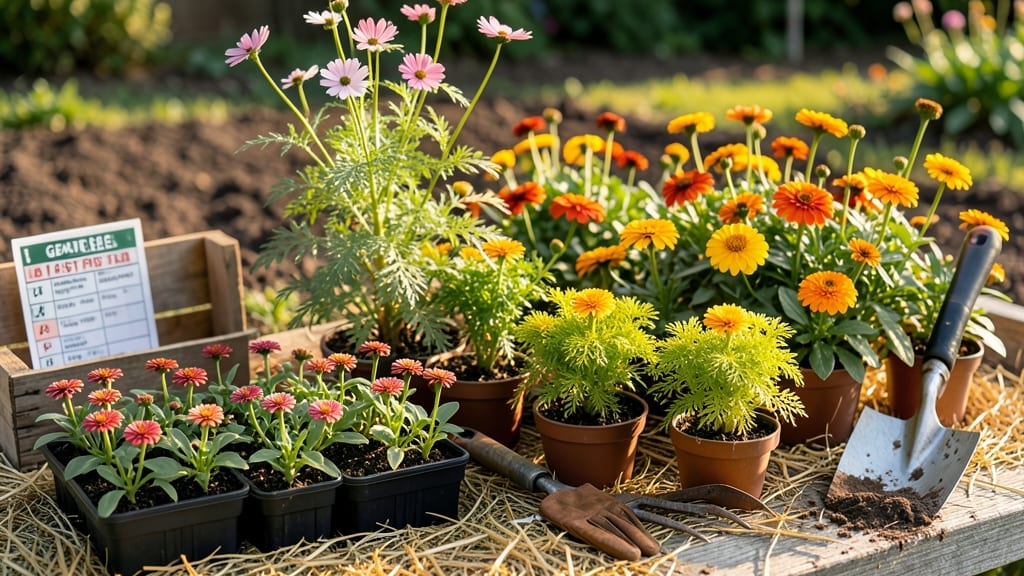
If you’ve ever stared at a patch of bare soil in Georgia wondering, "When should I plant these fall flowers for a showstopping display?"—you’re not alone. The difference between a garden that bursts with color and one that fizzles out before winter lies in timing, not just effort.
Georgia’s climate is a gardener’s dream for fall blooms, but getting it wrong means your chrysanthemums or pansies could bolt before they even open—or worse, freeze before they’ve had their moment in the sun.
I’ve spent years perfecting the schedule, and the secret isn’t just about avoiding frost dates (though those matter). It’s about reading your county’s microclimate like a pro.
From the Piedmont’s cooler evenings to the Coastal Plain’s lingering heat, the ideal window shifts dramatically. Whether you’re in Zone 7a’s chilly highlands or Zone 8b’s balmy Lowcountry, planting too early risks leggy, sparse blooms, while waiting too long cuts your season short.
Let’s break down the exact weeks to plant—so your garden doesn’t just survive fall, but steals the show.
You’ll learn which frost-tolerant varieties thrive in your neck of Georgia, how to prep soil for maximum root growth, and the one simple trick that keeps flowers blooming well into December. Ready to turn your yard into a fall masterpiece? Let’s get started.
Georgia’s fall planting zones: county-specific dates for perfect timing
Georgia’s diverse USDA hardiness zones (7a–8b) create unique microclimates that demand precision when planting fall flowers. The North Georgia mountains (zones 6b–7a) experience earlier frosts, while the Coastal Plain (zones 8a–8b) enjoys milder winters.
Understanding these variations ensures your chrysanthemums, pansies, and asters bloom at their peak before frost arrives. Let’s dive into the ideal planting windows for each region to maximize your fall garden’s potential.
Timing is critical because fall flowers need 6–8 weeks to establish roots before the first frost. In zone 7a (e.g., Dahlonega, Blairsville), the last frost typically hits mid-November, so aim to plant late August to early September.
Meanwhile, zone 8b (e.g., Savannah, Brunswick) can extend planting until mid-October thanks to its warmer microclimate. Use these county-specific guidelines to avoid bolting or frost damage.
Key factors to consider include:
- Average first frost dates by county
- Soil temperature (ideal: 60–70°F)
- Local microclimates (urban areas warm up faster than rural zones)
- Plant hardiness (e.g., pansies tolerate 20°F, while mums need 25°F+)
| Region | USDA Zone | Ideal Planting Window | First Frost Date | Top Flowers |
|---|---|---|---|---|
| North Georgia Mountains | 6b–7a | Late August–Early September | Mid-November | Chrysanthemums, Pansies, Ornamental Kale |
| Piedmont (Atlanta, Macon) | 7b–8a | Early September–Mid-October | Late November–Early December | Mums, Asters, Snapdragons, Sweet Alyssum |
| Coastal Plain (Savannah, Brunswick) | 8a–8b | Mid-September–Mid-October | Early–Mid December | Pansies, Violas, Calendulas, Dusty Miller |
For North Georgia’s higher elevations, like Fannin or Gilmer counties, plant chrysanthemums by August 15 to ensure they bloom before the first frost in November. These areas benefit from cool nights and sunny days, perfect for hardy annuals.
Use black plastic mulch to warm the soil faster if you’re pushing the planting window.
In the Piedmont region (e.g., Fulton, Bibb counties), where zone 7b–8a dominates, you have a longer window to plant. September 1–15 is ideal for mums and asters, while snapdragons can handle a late-October planting.
Test your soil’s pH (6.0–7.0) and amend with compost to improve drainage—clay-heavy soils in this region can stunt root growth.
The Coastal Plain (e.g., Chatham, Liberty counties) offers the latest planting dates due to its warmer winters. Pansies and violas thrive when planted in mid-September, while calendulas can even handle a late-October start.
However, watch for sporadic frosts—microclimates near water bodies (like Skidaway Island) may stay frost-free longer than inland areas.
Pro tip: Use frost cloth to extend the season for tender perennials like salvia or coreopsis. Lay it over plants 2–3 weeks before the first frost to protect them from light freezes (28–32°F). This trick buys you extra weeks of color in your garden. Pair it with mulch (2–3 inches) to insulate roots and retain moisture.
If you’re in transition zones (e.g., Douglas, Paulding counties), err on the earlier side—late August—to account for unpredictable cold snaps. These areas can experience sudden temperature drops, so hardy varieties like ornamental kale or pansies are safer bets than delicate cosmos.
Always check your local extension office for updated frost data—conditions vary yearly.
Soil prep is just as critical as timing. Work in aged compost or well-rotted manure to improve nutrient retention and drainage. Fall flowers thrive in well-amended soil with balanced fertility (10-10-10 fertilizer). Avoid fresh manure, which can burn roots. Test your soil’s moisture—overwatering before frost can lead to root rot in saturated soils.
Finally, monitor weather forecasts in the weeks leading up to planting. If a cold front is predicted, delay planting sensitive varieties like marigolds until after the threat passes.
With the right timing and care, your Georgia fall garden will burst with color—from golden mums in the mountains to vibrant pansies along the coast. Happy
Best fall flowers for Georgia’s climate: cool-season champions for color
Georgia’s fall gardens shine brightest when you choose frost-tolerant champions that thrive in our mild winters. From the Piedmont’s rolling hills to the Coastal Plain’s golden sunsets, these cool-season stars deliver color until the first hard freeze.
The secret? Selecting varieties that love 60°F soil and partial shade—perfect for Georgia’s USDA zones 7a-8b.
My top picks include chrysanthemums (mums) for their long-lasting blooms, pansies that brave light frosts, and ornamental kale for edible foliage that turns purple in cool weather. Each brings something special: mums for autumnal abundance, pansies for early spring color, and kale for textural contrast.
Let’s dive into how to make them thrive.
- 1
- 2
- 3
- 4
Prep your soil like a pro: Amend with compost to improve drainage, and test pH—most fall flowers prefer 6.0-7.0. For mulching magic, use straw or pine needles to insulate roots. This keeps soil 5°F warmer than bare ground, delaying frost damage.
Sunlight needs vary by variety. Mums and asters crave full sun (6+ hours), while pansies and ornamental kale tolerate partial shade (4-6 hours). My trick? Group sun-lovers together and shade-sensitive plants near fences or trees. This creates natural microclimates that extend the blooming season.
Water deeply but less frequently—once a week after planting—since cool weather slows evaporation. Aim for 1 inch of water per week, and always water at soil level to avoid fungal diseases. A drip irrigation system saves time and keeps foliage dry.
Don’t let frost catch you off guard! Monitor your local first frost date (usually mid-November in North GA, December in Coastal GA) and choose varieties labeled "frost-tolerant".
For extra protection, cover tender plants with frost cloth on chilly nights. With these tips, your fall garden will stay vibrant until holiday celebrations—or even New Year’s!