
Plants
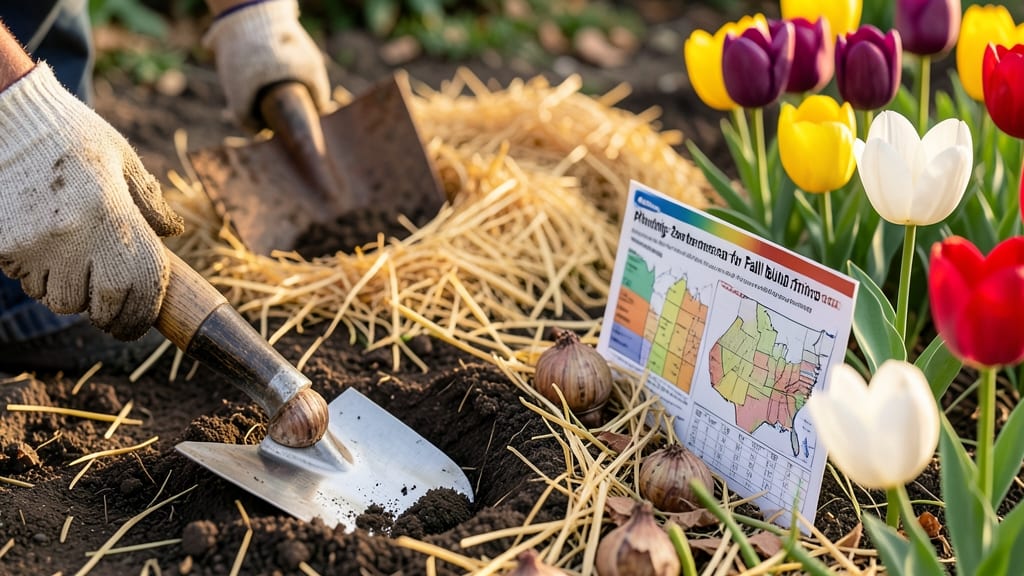
Planting your Spring Flowering Bulbs 🌷 in Colorado at the wrong time can mean the difference between a dazzling spring display and a sad, frozen mess.
The key to success isn't just picking the right bulbs—it's knowing when to tuck them into the soil so they thrive through our unpredictable frost cycles.
Most gardeners assume "fall planting" means a broad window, but Colorado's USDA Zones 5-7 demand precision. Plant too early in September, and your bulbs might rot before winter sets in. Wait until November, and they could freeze solid before establishing roots.
The sweet spot? 6-8 weeks before your first hard frost, which varies wildly from Denver's urban heat islands to Aspen's high-altitude chill.
Here's the game-changer: timing isn't just about dates—it's about your microclimate. Whether you're in the Front Range, mountain valleys, or a city oasis, I'll show you exactly when to dig in for zero-frost failures, plus the bulb varieties that handle Colorado's extremes like champions.
Let's cut through the guesswork so you can enjoy those first 🌷 blooms in April without a single bulb left behind in the cold. Ready to plant with confidence?
Colorado’s frost Zones explained: when to plant bulbs by elevation and microclimate
Colorado’s dramatic elevation shifts mean your neighbor’s perfect tulip planting schedule might kill yours. The Front Range (Denver, Colorado Springs) sits in USDA Zones 5-6, while mountain towns like Aspen and Leadville drop into Zones 3-4.
Even within the same city, a heat island in downtown Denver can push you into Zone 7—confusing, right? Let’s break it down so you can plant with confidence.
First, understand that fall planting is critical for spring blooms. Most bulbs need 6-8 weeks of cool soil before the ground freezes. But Colorado’s last frost dates vary wildly: October 1 in high-altitude areas like Steamboat Springs (Zone 4) versus November 15 in Pueblo (Zone 6).
Microclimates add another layer—south-facing slopes warm faster than north-facing yards, and urban areas hold heat longer.
Here’s the key: Plant bulbs when soil temps hit 60°F and daytime highs average 70°F. This usually lands in late September for mountain towns and early November for lower elevations.
But don’t guess—use your local last frost date as your deadline. For example, if your first frost is October 15, aim to finish planting by September 1.
| Region | USDA Zone | Last Frost Date | Ideal Planting Window | Microclimate Notes |
|---|---|---|---|---|
| High-Altitude Mountains (Aspen, Leadville, Steamboat) | 3-4 | September 20–October 10 | Late August–September 15 | Plant earlier—soil freezes faster. Use black plastic mulch to extend season. |
| Front Range (Denver, Boulder, Fort Collins) | 5-6 | October 15–November 1 | September 15–October 15 | Urban areas (Zone 7) can plant 2 weeks later. South-facing beds warm sooner. |
| Southern Colorado (Colorado Springs, Pueblo) | 6-7 | November 1–November 15 | October 1–November 1 | Drier climates—water deeply after planting to prevent rot. |
| Western Slope (Grand Junction, Durango) | 5-6 (varies) | October 1–October 30 | September 1–October 15 | Desert areas (Zone 7) can plant later. Mulch heavily to retain moisture. |
Let’s talk Denver vs. Colorado Springs—they’re close, but their microclimates differ. Denver’s urban heat island delays first frosts by 1-2 weeks compared to rural areas. Meanwhile, Colorado Springs, with its higher elevation and drier air, often sees earlier frosts.
If you’re in Zone 6 but live near a heat-retaining wall, you might plant daffodils (hardy to Zone 3) a week later than your neighbors in a shady yard.
For high-altitude gardeners, focus on crocuses and glacier lilies—they thrive in Zone 3 and bloom earlier than tulips. In lower elevations, tulips and hyacinths love the longer growing season but need well-draining soil to avoid rot.
Pro tip: Test your soil—Colorado’s alkaline soils can stunt bulb growth. Aim for a pH of 6.0–7.0 by amending with compost or peat moss.
Don’t overlook watering after planting. Bulbs need consistent moisture to root before dormancy. In dry years (like 2020), I lost half my tulips because I forgot to water them in after planting.
Now, I deep-water once a week until the ground freezes. For sandy soils (common in Boulder), water more frequently—sand drains too quickly.
If you’re unsure about your last frost date, check the Colorado Climate Center’s frost maps or use a soil thermometer. Plant when temps consistently stay below 60°F at night.
And remember: Larger bulbs (like dahlias) need deeper planting (8–10 inches) than smaller ones (6 inches for crocuses).
Finally, label your bulbs! Colorado’s variable weather can make next year’s blooms a mystery. I mark my tulip beds with stakes so I know
The 4-Week rule: how to time bulb planting for zero-frost success in Colorado
Timing is everything when planting bulbs in Colorado, where first frost dates can shift by weeks between Denver and Aspen. The 4-week rule is my foolproof method to calculate your exact planting window—no more guessing whether to dig in September or wait until October.
Here’s how to apply it to your garden.
Start by checking your USDA hardiness zone (Colorado ranges from Zone 3 to 7). Then, find your average first frost date—typically October 15 for Denver, but October 1 in mountain towns like Breckenridge. Count backward 6-8 weeks from that date to determine your ideal planting window.
For example, if your first frost is November 1, plant between September 15 and October 15. This window ensures bulbs establish roots before winter but don’t rot in soggy fall soil. Tulips and hyacinths need this precise timing, while daffodils and crocuses are more forgiving.
- 📅 Step 1: Find your first frost date (use USDA maps or local CoCoRaHS data).
- ⏳ Step 2: Count back 6-8 weeks to set your planting window. Example: Nov 1 frost → Plant Sep 15-Oct 15.
- 🌱 Step 3: Test soil temperature—ideal range is 50-60°F (use a soil thermometer).
- 📏 Step 4: Plant bulbs 3x deeper than their height (e.g., 6-inch tulips → 18-inch depth).
- 💧 Step 5: Water deeply after planting, then reduce to monthly until spring.
- ✅ Step 6: Mulch with 2-3 inches of straw to insulate bulbs over winter.
Pro tip: Use soil temperature as your final gauge. Bulbs need 6-8 weeks to root at 50-60°F. If your soil heats up faster (like in urban Denver), plant earlier. Conversely, high-altitude areas like Telluride (Zone 4) may need to wait until late September.
Don’t stress if you miss the window—daffodils and alliums can handle late fall planting, while snow crocuses even bloom under snow! Just aim for 6 weeks before frost as your safety net. For high-risk bulbs like tulips, err on the earlier side.
Remember: The 4-week rule isn’t rigid—adjust for your microclimate. A south-facing slope warms faster than a north-facing yard, so plant earlier in sunny spots. With this method, you’ll outsmart Colorado’s frost quirks and wake up to a blooming spring garden every year. 🌷