
Plants
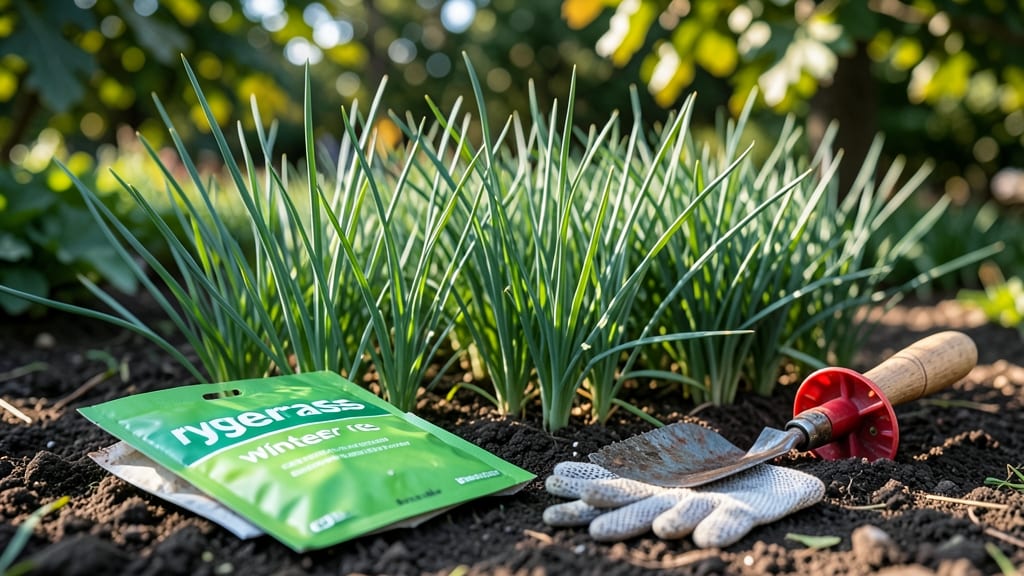
Planting winter grass in Arizona isn’t just about throwing seeds into the ground—it’s about timing your move to beat the heat and ensure those blades take root before summer roasts them.
Miss the September-November window, and you’ll spend the next year battling patchy lawns and weak growth, especially in USDA Zone 9b where frost is rare but heat lingers.
Think of your lawn like a marathon runner: you wouldn’t start training in July for a fall race. The same goes for winter grass—it needs 45-60 days of cool weather to establish strong roots before Arizona’s relentless sun kicks in.
That’s why September is your sweet spot, when daytime highs dip to a manageable 85°F and evenings stay mild enough for growth.
But here’s the kicker: not all of Arizona plays by the same rules. Phoenix and Tucson demand earlier planting (late August) to avoid monsoon moisture, while higher elevations like Flagstaff can wait until October.
I’ll break down exactly how to read your microclimate—so you can stop guessing and start growing that lush, drought-resistant lawn you’ve been dreaming of.
Ready to transform your yard? Let’s dive into the exact steps—from soil prep to watering schedules—that’ll have your winter grass thriving all year, not wilting by May. No more second-guessing, just confident, green results.
Arizona’s winter grass planting timeline by heat Zone (USDA 9-12)
Arizona’s mild winters create the perfect opportunity for cool-season grasses like ryegrass and fescue, but timing is everything. Plant too early, and your grass may struggle with summer heat before establishing roots.
Too late, and you’ll miss the optimal 60-70°F soil temperatures needed for germination. Each Arizona heat zone (USDA 9-12) has its own planting window, influenced by elevation and frost risk.
For example, Phoenix and Tucson (USDA 10-11) can start as early as late August, while Flagstaff (USDA 7b-8) should wait until mid-September to avoid late-summer heat stress. Yuma (USDA 10b), with its extreme desert climate, has the latest window—early October—to prevent seed desiccation.
Understanding these deadlines ensures your grass roots deeply before summer returns.
Key temperature thresholds dictate success: seeds need soil temps between 60°F and 75°F for consistent germination. Air temps above 90°F can halt growth entirely, making early fall your only shot. Let’s break down the exact month-by-month planting timeline for each zone, plus the best grass varieties for your location.
| Heat Zone | City Examples | Ideal Planting Window | Soil Temp Threshold | Best Grass Varieties | Last Chance Date |
|---|---|---|---|---|---|
| USDA 9 | Flagstaff | Mid-Sept to Early Oct | 60-70°F | Tall Fescue, Ryegrass | Oct 15 |
| USDA 10 | Phoenix, Tucson | Late Aug to Mid-Sept | 65-75°F | Bermuda (dormant summer), Ryegrass | Sept 30 |
| USDA 11 | Yuma, Safford | Early Oct | 70-78°F | Tifway 419, Bermuda | Nov 1 |
| USDA 12 | Yuma (low desert) | Late Sept | 72-80°F | Bermuda (heat-tolerant) | Oct 15 |
Last Chance Date = Beyond this, germination rates drop below 50%
In USDA Zone 9 (Flagstaff), your window is short—mid-September to early October—because cooler nights arrive faster. Tall fescue and ryegrass thrive here, but avoid Bermuda grass, which struggles in high elevations. Test your soil first; Flagstaff’s clay-heavy soils need gypsum amendments to improve drainage.
For Phoenix and Tucson (USDA 10), late August is your best start date to beat the 100°F+ afternoons of September. Bermuda grass is popular here, but it goes dormant in summer, so overseed with ryegrass for year-round green.
Water deeply twice weekly for the first 30 days post-planting to encourage root depth.
If you’re in Yuma (USDA 11-12), wait until early October—any earlier, and the desert sun will dry out seeds before germination. Tifway 419 is the gold standard here, thanks to its heat and drought tolerance.
Mulch with straw immediately after planting to lock in moisture; Yuma’s low humidity accelerates evaporation.
Pro tip: Use a soil thermometer to confirm temps before planting. Aim for 60°F+ at 2-inch depth. If temps dip below 55°F, germination slows dramatically.
In higher elevations (Zone 9), morning frost can occur by November 15, so finish planting by October 15 to avoid winter stress.
Once your grass is established (typically 4-6 weeks after planting), reduce watering to once weekly to strengthen roots. In USDA 11-12 zones, this means deep watering every 7-10 days—never shallow sprinkles. Overwatering here leads to fungal diseases like brown patch, which thrives in Arizona’s high humidity monsoons.
Finally, mow high (3-4 inches) once your grass reaches 2.5 inches
How to prepare your Arizona soil for winter grass success (before planting)
Arizona’s soil conditions can make or break your winter grass success. The key is preparing your soil 4-6 weeks before planting to create an ideal environment for seed germination and root establishment.
Without proper prep, your grass will struggle with heat shock and poor nutrient uptake, leading to patchy growth or failure.
Start by testing your soil pH—Arizona’s alkaline soils often need adjustment to the 6.0-7.0 range for optimal grass growth. Most winter grasses, like ryegrass and fescue, thrive in this slightly acidic to neutral range.
If your soil is too alkaline, add sulfur or peat moss to lower the pH gradually over weeks.
Weed suppression is another critical step. Competing weeds will steal moisture and nutrients from your new grass. Use a pre-emergent herbicide 2-3 weeks before planting, or manually remove weeds by hand. For organic gardeners, apply a thick layer of cardboard or newspaper topped with mulch to smother weeds naturally.
🌱 Step-by-Step Soil Prep for Arizona Winter Grass
-
1
Test Soil pH
Use a soil test kit to check pH. Aim for 6.0-7.0. If too high, amend with sulfur (1 lb per 100 sq ft) or peat moss. -
2
Remove Weeds
Apply pre-emergent herbicide or smother weeds with cardboard/mulch 2-3 weeks before planting. Remove debris for clean seedbed. -
3
Add Organic Matter
Mix in 2-3 inches of compost or well-rotted manure to improve soil structure and fertility. Avoid fresh manure, which can burn seeds. -
4
Level the Soil
Rake the area to create a smooth, firm surface. Fill low spots with soil and level high areas to prevent water pooling or erosion. -
5
Schedule Irrigation
Set up a drip irrigation system or soaker hoses to deliver 1/2 inch of water daily for the first 2 weeks post-planting. Avoid overhead sprinklers to prevent fungal diseases.
Don’t overlook the importance of organic amendments like compost or aged manure. These improve soil structure, retain moisture, and provide essential nutrients for young grass roots. For sandy soils common in Arizona, add peat moss or coconut coir to help retain water and nutrients.
Finally, water deeply before planting to settle the soil and create a moist seedbed. This step is crucial in Arizona’s dry climate, where surface soil can dry out quickly. After planting, maintain consistent moisture to encourage strong root growth without overwatering, which can lead to fungal issues.
With these steps, your Arizona soil will be ready to support lush winter grass that thrives through the mild winters and avoids heat stress in the transition to summer. 🌱