
Plants
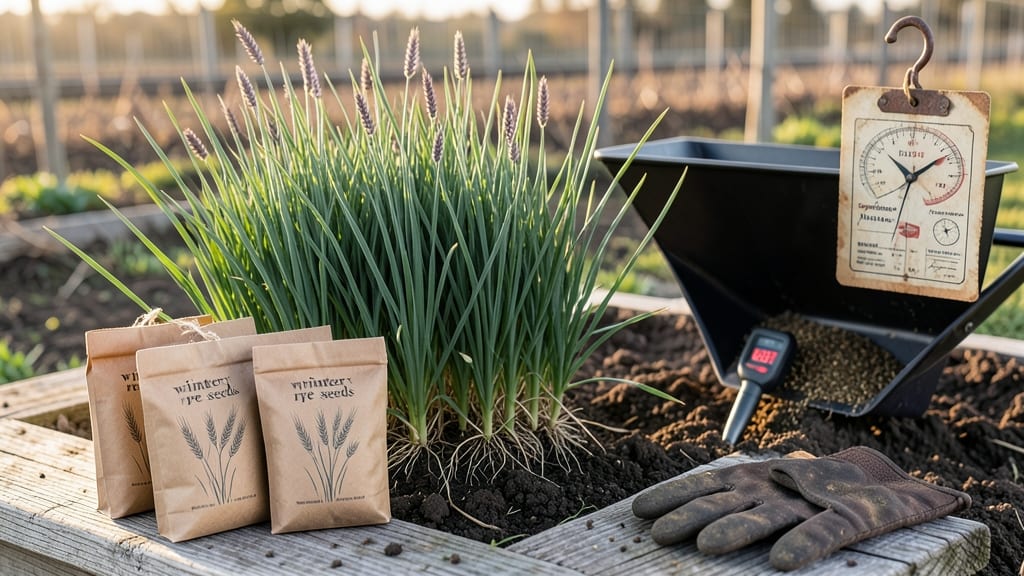
Planting winter rye 🌾 in Texas isn’t just about throwing seeds in the ground—it’s about timing them perfectly to avoid wasted effort and maximize your cover crop’s benefits.
Whether you’re in North Texas’s Zone 8a or South Texas’s milder Zone 10a, getting the window right means the difference between a thriving cover crop and one that struggles to establish before frost.
Most Texas gardeners swear by late summer to early fall as the ideal planting window, but why? The key is giving winter rye enough time to root before the first frost hits—usually between November 1 and December 1, depending on your region.
Plant too early, and you risk summer heat stress; too late, and your cover crop won’t have time to protect your soil or suppress weeds.
I’ve tested the best times across Texas’s varied climates, and what I’ve learned will save you from common mistakes. From soil temperature thresholds to frost date tricks, you’ll discover exactly when to plant for a stronger, more resilient winter rye that sets you up for spring success.
Ready to stop guessing and start growing? Let’s break down the exact months and steps to plant winter rye at the perfect time for your Texas zone—so you can enjoy healthier soil and fewer weeds next season.
Best planting months for winter rye in Texas by region
Texas’s diverse climate means the perfect planting window for winter rye varies dramatically from North Texas to South Texas. In Zone 8a, frost can arrive as early as December 1, while Zone 10a rarely sees frost before January 31.
Planting too soon risks bolting from summer heat, but waiting too long means weak establishment before cold snaps. Let’s break down the ideal months for each region to ensure your cover crop thrives.
For North Texas (Zone 8a), the sweet spot is mid-September to early October. This gives winter rye 6-8 weeks to establish roots before the first frost hits around November 25.
Soil temperatures should drop below 70°F but stay above 50°F for optimal germination. If you miss this window, a late January planting can still work, but growth will be slower.
Central Texas (Zone 8b) gardeners have slightly more flexibility, with late September to mid-November as the best window. The first frost typically arrives around November 25, so aim to plant 4-6 weeks before that date. Soil temperatures in this region can linger in the 60s°F longer, allowing for a slightly later start. However, avoid planting after November 15 unless you’re prepared for slower growth.
🌾 Winter Rye Planting Guide by Texas Region
| Region | USDA Zone | Best Planting Window | First Frost | Soil Temp for Germination | Notes |
|---|---|---|---|---|---|
| North Texas | 8a | Mid-Sept to Early Oct | Dec 1 | 50-70°F | Plant 6-8 weeks before frost |
| Central Texas | 8b | Late Sept to Mid-Nov | Nov 25 | 55-75°F | Avoid planting after Nov 15 |
| South Texas | 9a-10a | Oct to Early Dec | Nov 1 (light frost) | 60-80°F | Can plant later due to mild winters |
South Texas (Zone 9a-10a) offers the most flexibility, with October to early December as the ideal window. Frost is rare before November 1, and soil temperatures often stay above 60°F well into December. This allows for a later planting, but aim to finish by December 15 to ensure robust growth before any potential cold snaps. If you’re in Zone 10a, you can even push planting to early January for a spring cover crop.
Soil temperature is just as critical as planting dates. Winter rye germinates best when soil temps are between 50°F and 75°F. In North Texas, this means waiting until late summer when daytime highs drop below 90°F.
Use a soil thermometer to confirm conditions—planting too early in hot soil can lead to poor germination or seed rot. In South Texas, where soils stay warmer longer, you can plant up to 2 weeks later than Central Texas.
Another key factor is frost risk. While winter rye is cold-hardy, it needs time to establish before temperatures drop below 20°F. In North Texas, a December frost can stunt young plants, so prioritize September-October plantings.
In contrast, South Texas rarely sees damaging frosts, but even light frost can slow growth. If you’re in a transitional zone like Central Texas, consider using row covers for early plantings to protect seedlings.
Pro tip: For maximum cover crop benefits, aim to plant winter rye 4-6 weeks before your region’s first frost. This gives it enough time to develop a strong root system and suppress weeds before winter sets in.
In North Texas, that’s mid-September; in South Texas, it’s early November. If you’re unsure about frost dates, check your local AgriLife Extension office for updated forecasts.
How to time your winter rye planting for maximum cover crop benefits
Timing your winter rye planting right ensures it establishes strong roots before Texas’s first frost while avoiding summer heat stress. The key is planting 4-6 weeks before frost—but Texas’s varied climate means your planting window shifts from North to South.
In North Texas (Zone 8a), aim for mid-September to early October, while South Texas (Zone 9a-10a) gardeners can push it to October or even November.
Your goal is to give winter rye enough time to germinate and grow before cold weather slows it down. If planted too early, it may bolt or go dormant from summer heat.
Too late, and it won’t establish roots before frost, leaving you with a weak cover crop that won’t protect your soil or suppress weeds effectively.
Here’s my step-by-step guide to nailing the timing for maximum benefits:
-
Step 1: Check Your Frost Dates
North Texas: First frost ~December 1 → Plant by October 15. South Texas: First frost ~November 1 → Plant by October 31.
-
Step 2: Test Soil Temperature
Winter rye thrives when soil temps are 50-65°F. Use a soil thermometer to confirm readiness—ideal temps arrive in late September for most of Texas.
-
Step 3: Prepare Your Soil
Clear debris, loosen soil, and add compost for nutrients. Aim for a pH of 5.5-7.0—winter rye tolerates a wide range but grows best in slightly acidic to neutral soil.
-
Step 4: Plant at the Right Depth
Sow seeds ½ inch deep and 6-8 inches apart. Lightly rake soil to cover seeds—don’t bury them deeper, or germination slows.
-
Step 5: Water Immediately
Keep soil moist but not soggy for the first 2-3 weeks to encourage germination. Water in the morning to prevent fungal issues.
-
Step 6: Monitor Growth
Winter rye should sprout in 7-14 days. Once established, it’ll grow 1-2 inches per week until frost. Aim for 6-12 inches of growth before winter sets in.
-
Step 7: Plan for Spring Termination
Before spring planting, mow or till winter rye 4-6 weeks before last frost to let it decompose and enrich your soil.
If you plant winter rye in North Texas, aim for a 6-8 inch tall stand by December. In South Texas, where frosts are lighter, you can push it to 10-12 inches by January.
The taller it grows before winter, the more soil protection and weed suppression you’ll get—and the better your spring garden will perform.
Pro tip: Use a cover crop calculator (like those from ATTRA or Texas A&M AgriLife) to input your zip code and frost dates for a personalized planting window. This adjusts for microclimates and ensures you’re not guessing.
By following these steps, your winter rye will establish roots deep, suppress weeds, and improve soil structure—all while setting you up for a healthier spring garden. 🌾