
Plants
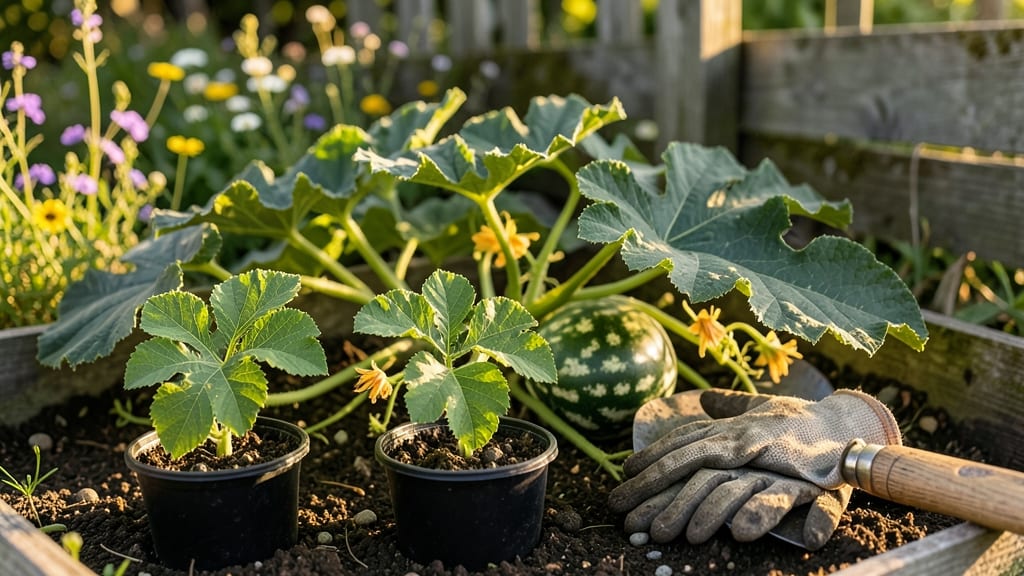
Planting watermelons in North Carolina at the right time can mean the difference between a bountiful harvest and wasted effort.
The key isn't just waiting for spring—it's tracking soil temperatures, because 🍉 seeds need warmth to germinate fast, and cool North Carolina nights can stall your crop before it even starts.
Most gardeners in zones 7a-8b rush to plant as soon as the last frost passes, but that's a mistake. Without soil hitting at least 70°F, your seeds will sit dormant for weeks, leaving you scrambling to replant.
I've learned the hard way that patience here pays off—waiting for the right conditions ensures your vines take off in 7-10 days instead of dragging out for three weeks.
In coastal areas, you can start as early as mid-April, but Piedmont gardeners should hold off until late April or early May. The mountain regions? Even later, closer to May 15th.
Why? Because those cooler elevations need more time to warm up, and rushing leads to weak seedlings that struggle to compete with weeds once the heat arrives.
Once you've got the timing right, the next move is even more critical: using black plastic mulch to lock in that heat and speed up germination.
I'll show you exactly how to do it—plus the fastest tricks for getting your watermelons off to a running start, whether you're starting seeds indoors or planting directly in the garden bed. Let's get those vines growing!
Optimal NC watermelon planting dates based on soil temperature
North Carolina’s diverse climate—from the Coastal Plain to the Mountain regions—means watermelon planting dates vary dramatically. The key to success? Soil temperature triggers germination and growth.
Watermelon seeds need 60°F+ soil to sprout but thrive fastest at 70°F+. Using a soil thermometer ensures you plant at the perfect moment for your microclimate.
Here’s how to align your planting with NC’s three major regions, accounting for last frost dates and heat zones. Coastal areas warm up earliest, while mountain valleys lag behind by weeks. Ignore these differences, and you risk stunted plants or missed harvests.
For Coastal NC, you can start direct-sowing watermelon seeds as early as late March once soil hits 60°F. But wait until 70°F+ for faster germination—this could be early April. Coastal areas benefit from black plastic mulch, which warms soil by 5-10°F and speeds up growth.
In the Piedmont, where last frosts linger into mid-April, hold off until early May for direct sowing. If you’re eager to start earlier, use biodegradable seed pots indoors under grow lights, then transplant after the last frost. This gives you a 2-3 week head start on the season.
The Mountain regions present the biggest challenge due to cooler soils. Aim for early May planting when soil consistently reaches 70°F+. Consider row covers to protect young plants from late frosts, which can still occur into June at higher elevations.
Varieties like 'Sugar Baby' or 'Crimson Sweet' mature faster and tolerate cooler nights better.
Pro tip: Use a soil thermometer for 3-5 days before planting to confirm temperatures. Bury it 2 inches deep—this is where watermelon roots first seek warmth. If your soil is below 60°F, wait or use heat mats for seed trays to jumpstart germination.
For all regions, watermelons need 75-90 days to mature. Planting too late risks small, underdeveloped fruit before the first frost in mid-October. Coastal growers can push the envelope with fall plantings in early July for a late-summer harvest, but mountain gardeners should stick to spring.
Don’t forget companion planting! Pair watermelons with marigolds to repel pests like cucumber beetles or radishes to improve soil structure. Avoid planting near potatoes, which compete for nutrients and stunt growth.
Timing your watermelon planting by soil temperature—not just calendar dates—guarantees faster germination, healthier vines, and a bountiful harvest before NC’s first frost. Grab that thermometer and let the soil guide your schedule!
How to prepare your NC garden for watermelon success
Before planting your watermelon seeds in North Carolina, proper garden prep is key to bigger yields and healthier vines. Start by testing your soil pH—watermelons thrive in slightly acidic to neutral soil between 6.0 and 6.8.
If your soil is too alkaline, amend it with peat moss or sulfur to adjust the pH before planting.
Next, enrich your soil with compost or well-rotted manure. Watermelons are heavy feeders, so work in 2-3 inches of compost into the top 12 inches of soil. This improves drainage and provides essential nutrients like potassium and phosphorus for strong root development.
🌱 Pre-Planting Checklist for Watermelon Success
- ☑️ Test soil pH (aim for 6.0-6.8)
- ☑️ Amend soil with compost (2-3 inches)
- ☑️ Choose planting method: raised bed or in-ground
- ☑️ Add mulch (straw or black plastic) to retain moisture
- ☑️ Plant companion plants: marigolds or radishes
- ☑️ Space seeds 6 inches apart (thin later to 24 inches)
Deciding between raised beds and in-ground planting depends on your garden layout and drainage. Raised beds warm up faster in spring and offer better control over soil quality, making them ideal for early planting in cooler NC regions like the Piedmont.
For in-ground planting, choose a spot with full sun exposure (at least 8 hours daily) and well-draining soil to prevent root rot.
Watermelons benefit from companion planting to deter pests and improve growth. Pair them with marigolds to repel nematodes or radishes, which break up compacted soil. Avoid planting near potatoes or cucumbers, as they compete for nutrients and attract similar pests.
After planting, apply a 2-3 inch layer of mulch (straw or black plastic) to conserve moisture and suppress weeds. Black plastic mulch also warms the soil faster, giving your watermelon seeds a head start in cooler NC springs.
Water deeply at planting and keep soil consistently moist—not soggy—during the growing season.
Finally, avoid common mistakes like over-fertilizing, which can lead to leafy growth at the expense of fruit production. Stick to a balanced fertilizer (like 10-10-10) and focus on organic matter for long-term soil health.
With these steps, your NC watermelon patch will be ready for a bountiful harvest by summer! 🍉