
Plants
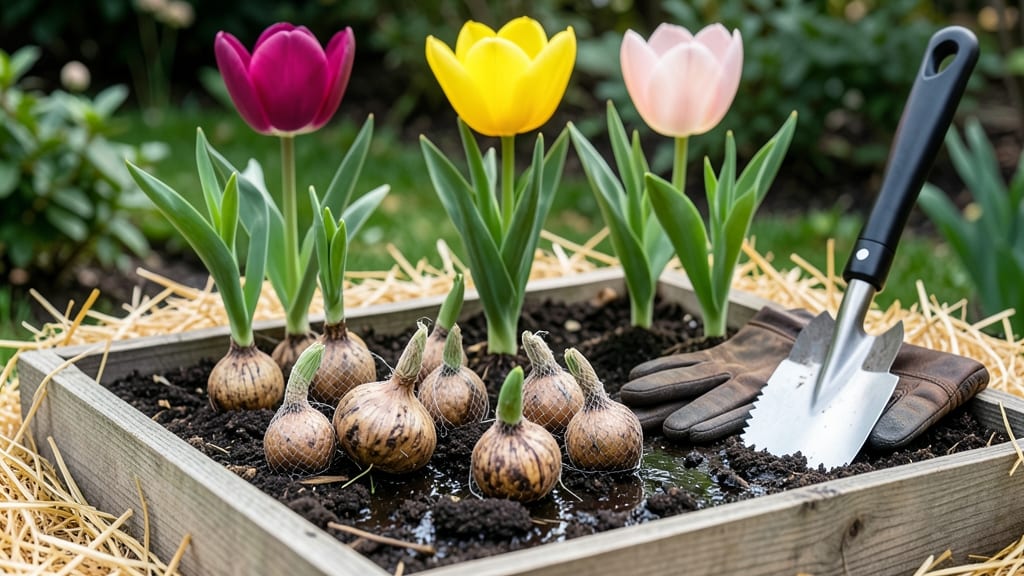
If you've ever planted tulips 🌷 in Texas only to watch them wilt before spring blooms, you're not alone—timing is everything in our unpredictable climate.
The key to success lies in understanding when to plant these delicate bulbs, because getting it wrong means battling summer heat or missing the ideal window entirely.
Most gardeners assume spring planting works best, but in Texas's 8a-10b zones, fall planting between October and December gives tulips the head start they need to establish roots before the heat arrives.
This is especially true for regions like North Texas, where cooler winters create the perfect conditions for bulb dormancy.
I’ve tested different planting schedules across Texas, and what I’ve discovered is that microclimates play a huge role—raised beds in Central Texas or shade cloth in South Texas can extend the planting window by weeks.
The goal? Avoid planting too early when soil temps are still warm, which triggers premature sprouting.
In this guide, I’ll break down the exact months for your region, plus pro tips for soil prep and heat-resistant varieties that actually thrive here. Let’s make your tulips bloom like clockwork—no more guesswork, just stunning results.
Best months to plant tulip bulbs in Texas (by region)
Texas's extreme heat and variable frost dates make tulip planting timing a critical factor for success. Unlike cooler climates, fall planting is ideal in most regions, but spring planting works in warmer zones.
The key is avoiding premature sprouting from winter warmth or heat stress after planting. Let’s break down the perfect window for North, Central, and South Texas to ensure vibrant blooms next spring.
In North Texas (USDA Zones 7b-8a), where first frosts arrive by mid-November, the best planting window stretches from mid-October to early December. This timing allows bulbs to establish roots before soil temperatures drop.
For Central Texas (Zones 8a-8b), with milder winters, aim for late October to mid-November—planting earlier risks premature sprouting from winter warmth.
South Texas (Zones 9a-10a) presents the biggest challenge due to minimal frost risk. Here, spring planting in February-March is safest, but fall planting is possible with chilling tricks (like refrigerating bulbs). Always choose heat-tolerant varieties like 'Darwin Hybrid' or 'Fosteriana' for these regions.
| Texas Region | USDA Zone | Best Planting Window | Key Considerations | Heat-Tolerant Varieties |
|---|---|---|---|---|
| North Texas | 7b-8a | Mid-October to Early December | First frost: Mid-November. Plant after soil temps drop below 60°F. | 'Darwin Hybrid', 'Parrot' |
| Central Texas | 8a-8b | Late October to Mid-November | Mild winters; avoid premature sprouting with mulch. | 'Fosteriana', 'Kaufmanniana' |
| South Texas | 9a-10a | February-March (spring) or Late November (fall + chill) | Minimal frost; use shade cloth or refrigeration for fall planting. | 'Darwin Hybrid', 'Species Tulips' |
| ⚠️ ALL REGIONS: Plant bulbs 6-8" deep and 4-6" apart in well-draining soil. | ||||
For North Texas gardeners, focus on late October plantings to give bulbs time to root before winter. Use organic mulch (3-4 inches) to insulate soil and prevent frost heave.
In Central Texas, where winters are milder, late November is ideal—this avoids the risk of premature sprouting that can occur with early plantings.
South Texas gardeners face the toughest conditions, but spring planting in February-March bypasses the heat challenge entirely. If attempting fall planting, chill bulbs for 8-12 weeks in a refrigerator before planting in late November. Pair this with shade cloth during summer to protect emerging foliage.
Regardless of region, always choose high-quality bulbs from reputable suppliers. Look for firm, dry bulbs with no mold or soft spots. Planting larger bulbs (12-16cm circumference) increases your chances of robust blooms, especially in warmer zones where tulips struggle more.
After planting, water deeply once and then avoid watering until spring. This prevents rot and fungal diseases during winter dormancy. In South Texas, where summers are brutal, plant tulips in partial shade (e.g., under trees) to reduce heat stress on emerging shoots.
Pro tip: Mark your tulip beds with flags after planting—Texas’s unpredictable weather can erase planting lines by spring. This helps you avoid disturbing bulbs when prepping the garden for other spring plants.
With the right timing and a few Texas-specific adjustments, you’ll enjoy stunning tulip blooms that outshine even the Lone Star State’s wildflowers. Just remember: patience is key—tulips need time to establish before they reward you with those iconic spring colors. 🌷
How to prepare tulip bulbs for Texas heat before planting
Texas summers are brutal for tulip bulbs, but with the right preparation, you can trick them into thriving in our warm climate. The key lies in mimicking their natural chilling cycle and creating optimal growing conditions before they even hit the soil.
Without this prep, your bulbs may sprout too early, wilt in the heat, or simply refuse to bloom.
Start by selecting heat-tolerant tulip varieties like Darwin Hybrid or Parrot tulips, which handle Texas heat better than traditional types. These varieties are bred to resist the 100°F+ temperatures that would otherwise cook other bulbs.
Store your bulbs in a cool, dark place—like a garage or basement—until you’re ready to plant them in October or November for fall planting.
Before planting, inspect each bulb for firmness and signs of rot. Discard any that feel soft or shriveled, as these won’t survive Texas’s extremes. Soak bulbs in a 1% hydrogen peroxide solution for 10 minutes to prevent fungal diseases—a common issue in our humid summers.
This step is non-negotiable if you want bulbs that last beyond the first year.
🌱 Step-by-Step Pre-Planting Prep for Texas Tulips
- Step 1: Chill bulbs for 8-12 weeks at 40-50°F in a refrigerator or cool basement. Use a breathable mesh bag to prevent mold.
- Step 2: Test soil drainage by digging a 6-inch hole. If water pools after 30 minutes, amend with sand or perlite to prevent bulb rot.
- Step 3: Mulch heavily with 3-4 inches of straw or wood chips after planting. This insulates bulbs from heat spikes and retains moisture.
- Step 4: Plant in raised beds if your soil is heavy clay. Raised beds warm up slower and drain better, giving bulbs a fighting chance in Zone 9-10.
- Step 5: Water deeply once a week after planting to encourage root growth. Avoid overhead watering to prevent fungal diseases like botrytis.
After chilling, plant bulbs 6-8 inches deep and 4-6 inches apart in well-draining soil. The deeper you plant, the better they’ll withstand Texas’s heat. Use a shade cloth (30-50%) during the hottest months to protect emerging shoots from scorching.
This isn’t just a suggestion—it’s how I’ve kept my tulips blooming for three consecutive years in Central Texas.
Finally, fertilize lightly with a 5-10-10 NPK blend at planting time to give bulbs a nutrient boost. Avoid high-nitrogen fertilizers, which encourage leafy growth at the expense of flowers.
Instead, focus on phosphorus to promote strong root and bloom development. Water sparingly after planting—just enough to keep the soil lightly moist until roots establish.
With these steps, your tulips will have the best chance to survive Texas’s heat and reward you with vibrant blooms in spring. The effort is worth it when you see those first Darwin Hybrid tulips popping up in March, defying the odds. Happy planting! 🌷