
Plants
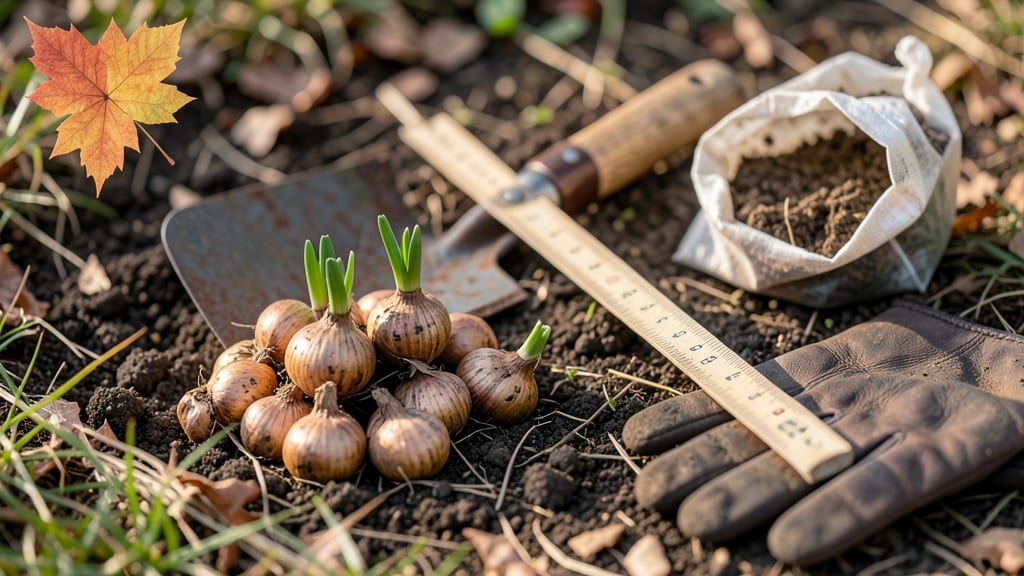
Planting tulip bulbs 🌷 in Ohio isn’t just about grabbing a shovel—it’s about catching that narrow window when the soil is cool enough to protect roots but warm enough to prevent rot. Miss it, and you’ll either have soggy bulbs or weak spring blooms that never reach their full potential.
Ohio’s USDA Zone 6a gives you roughly six weeks between mid-October and mid-November to get it right, but local frost dates can shift that deadline by weeks depending on whether you’re in Columbus, Toledo, or rural Appalachia.
The key? Planting when soil temps hit 40-50°F—too early, and bulbs rot; too late, and they won’t establish roots before winter.
I’ve learned the hard way that timing matters just as much as bulb prep. Whether you’re a first-time gardener or a seasoned pro, knowing when to plant—and how to adjust for Ohio’s unpredictable weather—makes all the difference between a showstopping spring display and a disappointing flop.
Let’s break down the exact deadlines, soil checks, and pro tips to ensure your tulips thrive—no guesswork, just vibrant blooms by April. Ready to dig in?
Ohio tulip planting deadlines by USDA Zone (with frost date maps)
Ohio spans USDA zones 5b to 6b, creating microclimates where Columbus (Zone 6a) enjoys a 2-week longer planting window than Toledo (Zone 5b). The key rule: plant tulip bulbs when soil temps hit 40-50°F and 4-6 weeks before ground freeze.
Miss this window, and your bulbs risk rotting in cold, wet soil—or failing to root before winter sets in.
Use the National Weather Service’s frost maps (or your local Cooperative Extension office) to pinpoint your first frost date. For example, Cincinnati (Zone 6a) typically sees frost by October 20, while Youngstown (Zone 6b) holds off until October 28.
Work backward from these dates to schedule your planting.
Here’s your Ohio tulip planting timeline by zone, including soil temp thresholds and last-call deadlines for early vs. late varieties:
| USDA Zone | First Frost Date | Ideal Planting Window | Soil Temp Threshold | Last-Call Deadline | Best Varieties |
|---|---|---|---|---|---|
| Zone 5b (Toledo, Akron) | October 10–15 | Mid-Sept to Oct 10 | 40–50°F | October 15 (hard freeze risk after) | Early bloomers (e.g., ‘Early Harbinger’) |
| Zone 6a (Columbus, Dayton) | October 20–25 | Late Sept to Oct 20 | 45–55°F | October 25 (soil freezes by Nov 1) | Mid-season (e.g., ‘Darwin Hybrid’) |
| Zone 6b (Cincinnati, Youngstown) | October 25–30 | Late Sept to Oct 28 | 50–60°F | November 1 (marginal after) | Late bloomers (e.g., ‘Fosteriana’) |
🌱 Pro Tip: Use a soil thermometer to confirm temps—cold, wet soil can delay planting even if dates align.
For early varieties like ‘Dutch White’, aim for mid-September planting in Zone 6b—they tolerate cooler soils and bloom sooner. Late bloomers such as ‘Parrot’ tulips need warmer soil (50°F+) and should go in by October 20 in Zone 5b to avoid winter rot.
Adjust for microclimates: South-facing slopes warm faster, extending your window by 1–2 weeks. Conversely, low-lying areas or urban heat islands (like downtown Columbus) may push deadlines back by 5–7 days. Always err on the earlier side—bulbs planted too late won’t root deeply enough before freeze.
Check your local first frost date via the Old Farmer’s Almanac or NOAA’s Climate Data portal. For example, Lima (Zone 5a) often sees frost by October 5, while Athens (Zone 6a) holds until October 22.
These dates shift yearly—plan 2 weeks before your average frost date for safety.
If you’re replanting tulips in the same spot, add compost or bone meal (high in phosphorus) to the soil before planting. This gives bulbs a nutrient boost for next year’s blooms.
For new beds, mix in sand or perlite to improve drainage—Ohio’s clay-heavy soils can suffocate bulbs if too dense.
Mulch with 2–3 inches of straw or shredded leaves after planting to insulate bulbs from freeze-thaw cycles. Remove mulch in early spring (March) to prevent rotting as soil warms. Never mulch over wet soil—this traps moisture and invites bulb rot.
For container-grown tulips, plant bulbs in well-draining pots with holes and use a lightweight potting mix. Move containers to a garage or cold frame if nighttime temps drop below 30°F before bulbs root. Hardy varieties like ‘Kaufmanniana’ tolerate cooler temps better than fancy hybrids.
Finally, label your beds by variety and planting year—Ohio’s humid springs can blur memories fast! Early bloomers like ‘Greigii’ may push through snow, while late varieties like ‘Black Parrot’ need full sun to mature. With these deadlines, your tulips will
Best tulip varieties for Ohio’s short growing season (early vs. late bloomers)
Ohio’s short growing season and humid summers demand tulip varieties that balance early blooming with disease resistance. Early bloomers like ‘Early Harbinger’ thrive in colder soils, while late varieties such as ‘Darwin Hybrid’ need precise timing to avoid Ohio’s unpredictable frosts.
Choosing the right type ensures vibrant spring displays without compromising bulb health.
For Ohio gardeners, selecting tulips isn’t just about color—it’s about survival strategies.
Early bloomers like ‘Ice Follies’ (white) or ‘Red Emperor’ (red) push through cold soils and late frosts, while late varieties like ‘Queen of Night’ (purple) or ‘Apeldoorn’ (red) require warmer soil to establish roots before winter. Ohio’s USDA zones 5-6 add another layer of complexity.
Pros and Cons of Early vs. Late Bloomers in Ohio
- ✅ Thrives in cold soils (ideal for Ohio’s early fall)
- ✅ Disease-resistant varieties available (e.g., ‘Red Emperor’)
- ✅ Longer bloom time in early spring
- ✅ Taller, showier blooms (e.g., ‘Darwin Hybrid’)
- ✅ Better for cut flowers (longer stems)
- ✅ Brightens late spring when other bulbs fade
- ❌ Shorter bloom time (1-2 weeks vs. 3+)
- ❌ More vulnerable to late frosts if planted too late
- ❌ Fewer disease-resistant options than late bloomers
- ❌ Requires precise timing (miss window = rot risk)
- ❌ Shorter root time before winter dormancy
- ❌ Less cold-hardy than early varieties
My top picks for Ohio start with ‘Early Harbinger’, a dwarf variety (6-8 inches tall) that blooms in late April and tolerates 5°F soils. Pair it with ‘Fosteriana’ (yellow-orange) for early color and natural resistance to Ohio’s humid summers.
For late-season drama, ‘Darwin Hybrid’ varieties like ‘Purple Prince’ (purple) or ‘Red Riding Hood’ (red) shine in May with bold, long-lasting blooms.
Ohio’s humidity makes disease resistance a must. Look for varieties labeled “viral-resistant” or “Tulipa tarda” (wild species hybrids), which handle Ohio’s fungal risks better. ‘Oxford’ (pink) and ‘Negrita’ (black) are top performers, while ‘Parrot tulips (e.g., ‘Black Parrot’) add exotic flair but need extra care in wet springs.
To maximize success, plant early bloomers in late September and late varieties by mid-October. Use well-draining soil with compost to prevent rot, and mulch heavily after planting to insulate bulbs.
In southern Ohio (Zone 6b), you can push planting to early November, but northern Ohio (Zone 5b) demands earlier action to avoid frost damage.
Pro tip: Mix varieties for a staggered bloom—start with early bloomers in September, then add late varieties in October. This ensures color from April through May, giving Ohio’s short season a longer floral show. 🌷