
Plants
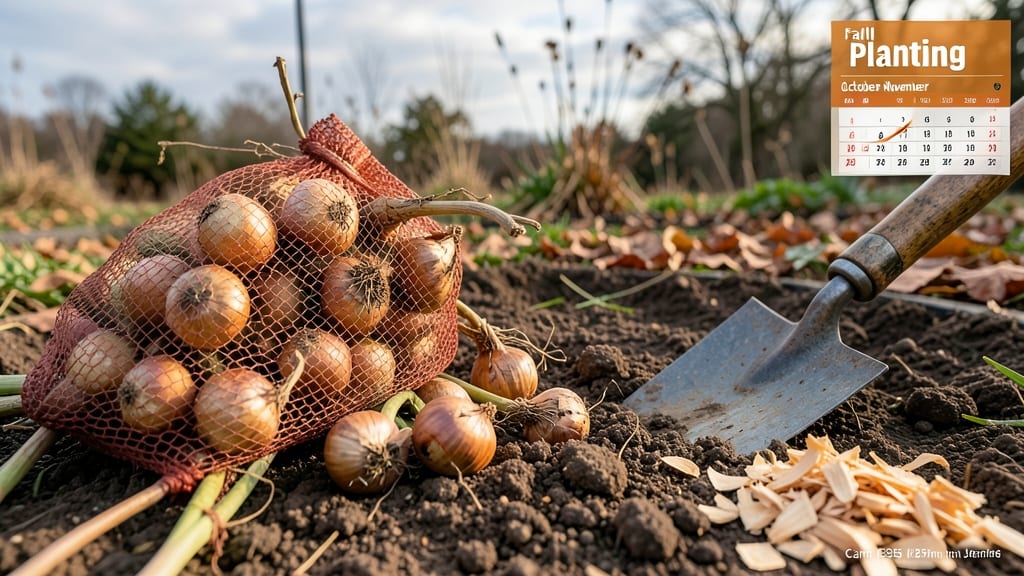
Planting tulip bulbs 🌷 in New Jersey might seem straightforward, but getting the timing right can mean the difference between vibrant spring blooms and wasted effort. The key lies in understanding your tulips' chill-hour requirements and aligning them with NJ's 6a to 7b climate zones.
Most gardeners know fall is the ideal season, but did you know planting too early can rot bulbs while waiting too long risks missed blooms?
With NJ's variable frost dates, the perfect window typically falls between October and November, but the exact timing depends on whether you're growing classic spring tulips or less common summer varieties.
I'll break down exactly when to plant based on your tulip types and local microclimates—whether you're in coastal areas with milder winters or inland regions facing earlier frosts.
You'll learn how to prepare your soil, adjust for NJ's sandy or clay-heavy grounds, and even which varieties thrive best in our specific conditions.
Let's dive into the precise planting schedule that will give you the show-stopping tulips you've been dreaming of—without any guesswork. Your spring garden will thank you!
Best planting windows for tulip bulbs in New Jersey by chill-hour needs
New Jersey’s USDA Zones 6b-7a create a unique challenge for tulip growers. The key to success lies in matching your tulip variety’s chill-hour needs with NJ’s variable frost dates.
Low-chill varieties (300-500 hours) thrive in coastal areas, while high-chill types (800+ hours) need inland protection. Planting too early risks rot, while late planting means missed blooms next spring.
Understanding chill-hour requirements is critical. These hours represent the number of 40°F-or-below days tulips need to bloom properly. NJ’s first hard frost typically arrives between November 15-30, but coastal regions can delay frost by weeks.
Always plant 4-6 weeks before ground freezes—this gives roots time to establish before winter sets in.
Here’s how to match your tulips to NJ’s climate using chill-hour categories and precise planting windows:
| Chill-Hour Category | Tulip Varieties | NJ Planting Window | Key Notes |
|---|---|---|---|
| Low-Chill (300-500 hrs) | ‘Darwin Hybrid’, ‘Parrot’, ‘Fosteriana’ | Late October - Early November | Best for coastal NJ (warmer winters) |
| Medium-Chill (500-800 hrs) | ‘Dutch Master’, ‘Queen of Night’, ‘Ice Follies’ | Mid-October - Mid-November | Works statewide; most reliable for NJ |
| High-Chill (800+ hrs) | ‘Candy Stripe’, ‘Red Emperor’, ‘Kaufmanniana’ | Early October - Early November | Plant inland areas only; needs colder winters |
For coastal NJ gardeners (like Cape May or Atlantic City), aim for late October planting to avoid warm soil that can cause rot. Inland areas (e.g., Morris or Sussex counties) should plant by mid-October to ensure bulbs establish before early frosts.
Use a soil thermometer—ideal planting soil should be 50-60°F.
Pro tip: Label your bulbs by chill category. This prevents mixing varieties and ensures each gets the right cold exposure. High-chill tulips planted too late in coastal areas may produce smaller blooms or fail entirely. Always choose disease-resistant varieties like ‘Apeldoorn’ or ‘Oxford’ for NJ’s humid springs.
After planting, mulch with 2-3 inches of straw to insulate bulbs through winter. Remove mulch in early spring (March) to prevent rot as temperatures rise. Water lightly during dormancy (November-February) unless snow covers the bed. Never overwater—tulips rot in soggy soil.
Spring care starts in March when shoots appear. Apply a balanced 5-10-10 fertilizer when foliage reaches 4-6 inches tall. Let leaves yellow naturally after blooming—they feed next year’s flowers. Cut stems at soil level but leave leaves until they brown completely.
If you miss the fall window, potted tulips can be forced indoors in winter. Plant bulbs in containers with drainage, chill for 10-12 weeks at 40°F, then move to light. This works for low-chill varieties like ‘Greigii’ or ‘Kaufmanniana’.
Remember: NJ’s microclimates vary wildly. Check your local Cooperative Extension Service for frost dates. With the right chill-hour match, your tulips will reward you with bold, early-spring blooms year after year. 🌷
How to adjust planting for NJ’s microclimates: coastal vs. inland differences
New Jersey’s diverse geography creates distinct microclimates that dramatically impact when and how you plant tulip bulbs. Coastal areas like Cape May experience warmer winters and milder frost, while inland regions near the Delaware Water Gap face earlier freezes.
These differences can shift your planting window by 3-4 weeks—so knowing your zone is critical for success.
For coastal gardeners in USDA Zone 7a, aim to plant tulip bulbs between late October and November, when soil temps drop below 60°F.
Inland areas in Zone 6b should plant 4-6 weeks earlier, typically in mid-October, to ensure bulbs establish before the first hard frost hits around November 15.
⚠️ callout warning
Don’t wait until the last minute! Coastal NJ gardeners have until November 15 for planting, but inland areas must finish by October 31 to avoid frost damage. Late planting increases rot risk and weakens next year’s blooms.
💡 Pro Tip: Use a soil thermometer—plant when temps hit 50-60°F consistently.
Soil type also plays a role in adjusting your approach. Sandy coastal soils drain too quickly, requiring organic matter amendments like compost or coconut coir. Mix in 3 inches of compost before planting to retain moisture and nutrients.
Inland areas often have clay-heavy soils that compact easily—amend with perlite or coarse sand to improve drainage and prevent bulb rot.
Another key adjustment: mulching depth. Coastal gardens benefit from 2-3 inches of straw mulch to insulate bulbs from mild winter fluctuations. Inland gardeners should use 4-6 inches of mulch to create a deeper insulating layer against sudden freezes.
Both regions should avoid heavy mulch piles that can suffocate bulbs during warm spells.
For coastal gardeners, prioritize late-blooming varieties like ‘Darwin Hybrid’ tulips, which tolerate warmer winters. Inland gardeners should choose early-blooming types such as ‘Parrot tulips’ to ensure flowers emerge before the last frost around April 15.
Always check your specific variety’s chill-hour requirements—some need 800+ hours below 45°F, while others thrive with just 300-500 hours.
Finally, remember that microclimates exist within neighborhoods. A south-facing slope will warm up faster than a north-facing yard, potentially extending your planting window by 1-2 weeks. Observe your garden’s unique conditions and adjust accordingly—your tulips will thank you with vibrant blooms next spring! 🌷