
Plants
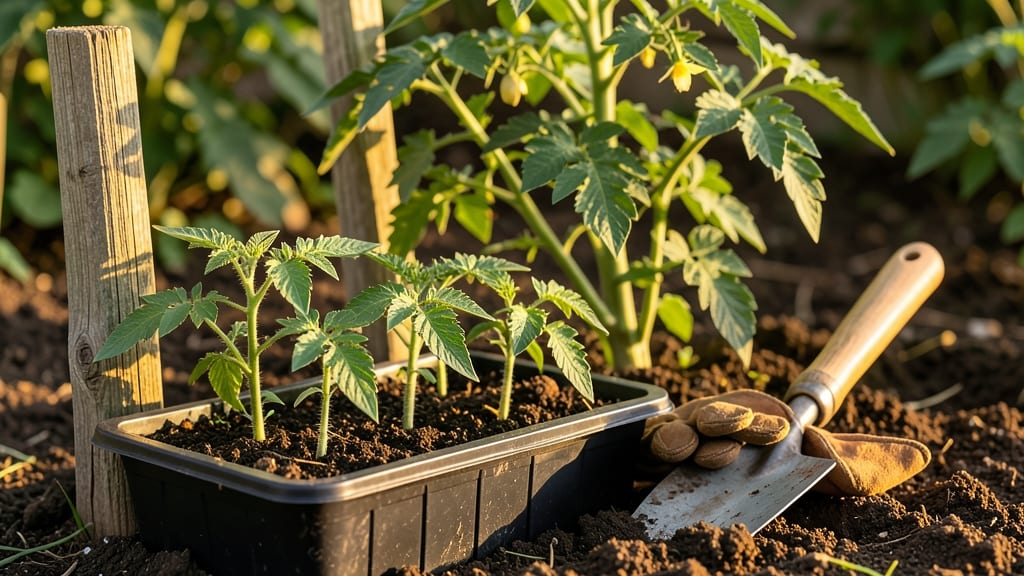
Planting your 🍅 tomatoes at the wrong time in North Carolina can mean the difference between a bountiful harvest and a total loss—thanks to our unpredictable frost dates and sweltering summers.
Whether you're in the mountains, Piedmont, or coastal plains, timing is everything to avoid those devastating late frosts or wilting vines before they fruit.
Most gardeners in USDA zones 6b-8a (like central NC's 7b or the coast's 8a) know the struggle: plant too early, and a surprise frost zaps your seedlings. Plant too late, and summer heat stresses your plants before they ripen.
The secret? Starting transplants after your last frost date—typically mid-April to early June for spring plantings—or late July to early August for a fall crop.
But here's the game-changer: your exact county matters. Raleigh's last frost usually hits by mid-April, while Asheville's can linger until early May. Coastal areas like Wilmington often see frost-free soil by early March, giving you a head start.
I'll break down the perfect planting windows for your specific region, so you can align your schedule with nature—and avoid the heartbreak of wasted effort.
Ready to master the timing? You'll learn how to prep your soil, choose the right varieties for your zone, and even extend your growing season with simple tricks. Let's get those tomatoes thriving from June through October—or even push your harvest into November with the right approach.
North Carolina tomato planting dates by USDA hardiness Zone (with frost risk charts)
North Carolina’s 7 USDA hardiness zones create wildly different tomato planting windows—from the cool mountain valleys of Zone 6b to the humid coastal plains of Zone 8a. Planting at the wrong time risks frost damage or heat stress, slashing your harvest.
I’ll break down the exact transplant dates for each zone, plus historical frost data from Raleigh, Asheville, and Wilmington to help you time it perfectly.
Tomatoes thrive when soil temps hit 60°F+ and all frost danger has passed. In NC, this means spring transplant dates range from mid-April in the mountains to early May on the coast. Fall plantings can extend harvests until October’s first frost, but timing varies by 100+ miles.
Use these charts to pick your county’s ideal window—whether you’re growing heat-tolerant heirlooms or early varieties for mountain gardens.
⚠️ Critical Note: NC’s Piedmont region (Zones 7a-7b) faces the highest frost risk—Raleigh averages its last frost on April 15, but late frosts can hit until May 1. Coastal areas like Wilmington rarely see frost after March 15, while the Appalachian Mountains (Zone 6b) can have frost until May 10. Always check your local frost date history before planting.
For Zone 6b mountain gardens, like those in Asheville, start transplants no earlier than April 20—late frosts here can linger until May 5. Use row covers for extra protection if planting early.
In Zone 8a coastal areas, like Wilmington, you can plant as early as March 20, but heat-tolerant varieties like ‘Heatmaster’ perform best in summer’s 90°F+ temps.
Fall plantings work best in Zones 7a and 7b, where you can transplant July 10–July 25 for harvests through October. In <
5 Proven methods to extend your tomato growing season in NC (even in hot counties)
North Carolina’s summer heat and humidity can turn your tomato plants into stressed, fruitless shadows—but not if you use these proven tactics. I’ve grown tomatoes in Raleigh’s 7b zone and Wilmington’s 8a heat, and these methods have kept my harvests going strong from June through October.
The key? Warming soil, protecting plants, and staggering plantings to beat the heat.
In Piedmont counties, temperatures can hit 95°F+ by July, while Coastal areas face high humidity that invites fungal diseases. My solution? A mix of mulching, shade cloth, and succession planting.
Let’s break down the 5 best methods to keep your tomatoes thriving all season long, no matter where you garden in NC.
Warms soil 10-15°F faster than bare ground. Lay mulch 2-3 weeks before planting to jumpstart growth in Piedmont heat.
Plant 3 batches in May, June, and July for a continuous harvest. Works best with determinate varieties like ‘Celebrity’.
Use floating row covers in May to protect from late frosts or in September to shield from hurricane winds in coastal NC.
Plant ‘Heatmaster’ or ‘Solar Fire’—both thrive in 90°F+ temps and resist cracking from sudden rain.
Remove suckers and lower leaves to reduce fungal diseases like early blight in Coastal NC’s 8a zone.
For Mountain counties (like Asheville’s 6b zone), focus on early spring plantings with cold-hardy varieties like ‘Stupice.’ In the Piedmont, where heat arrives early, prioritize shade cloth and drip irrigation to keep roots cool. Meanwhile, Coastal gardeners should avoid overhead watering to prevent blossom-end rot from humidity spikes.
I once lost an entire batch of tomatoes in Wilmington because I ignored the humidity warning—until I switched to dwarf varieties and pruned aggressively. The difference? A 50% increase in ripe fruit by late summer.
Start with one method this season, then layer in others as you gain confidence. Your taste buds (and your neighbors) will thank you!
Pro tip: Keep a gardening journal to track which methods work best in your microclimate. Note the first and last harvest dates, soil temps, and any pests or diseases you encounter.
This data will help you refine your approach year after year—because in NC, tomato success isn’t luck, it’s strategy. 🌱