
Plants
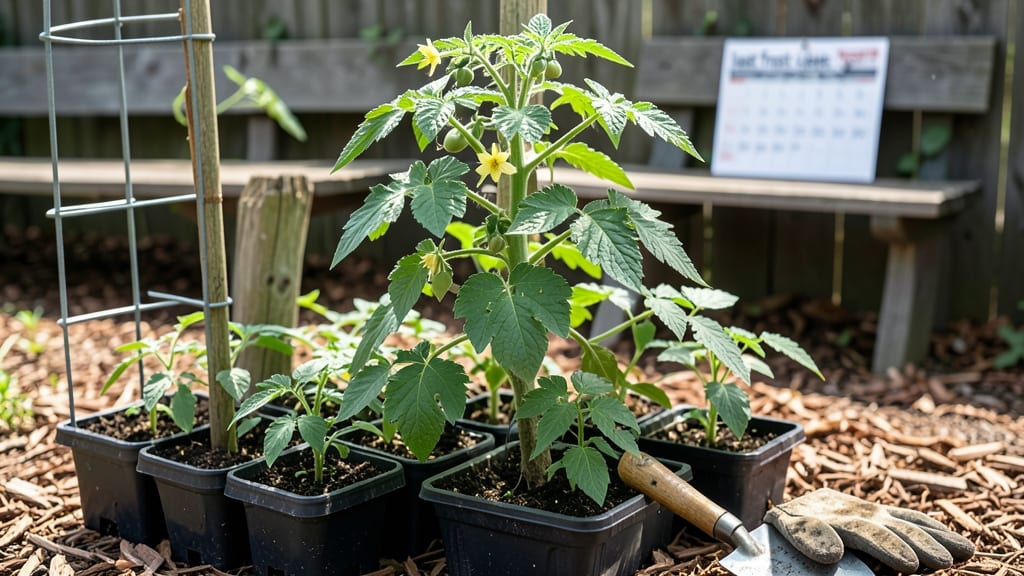
Planting your 🍅 tomatoes at the wrong time in Illinois could mean the difference between a garden full of ripe fruit and a sad, wilted disappointment—especially when spring weather plays hide-and-seek with frost dates.
If you’ve ever wondered when to plant tomatoes in Illinois while balancing the state’s notorious late frosts and regional microclimates, you’re not alone. The answer isn’t one-size-fits-all—it depends on whether you’re in chilly northern Illinois or the warmer southern stretches near St. Louis.
Let’s break down the exact windows and smart strategies to give your plants the best possible start.
Most Illinois gardeners wait until mid-April to mid-May after the last frost, but soil temperature matters just as much as calendar dates. Cold soil can stunt young plants, while rushing too early risks frost damage.
I’ll show you how to read the signs and adjust your planting schedule for maximum success—no guesswork required.
Ready to turn your tomato dreams into a harvest? We’ll cover everything from starting seeds indoors to transplanting outdoors, plus how to extend your growing season with simple tools. Your garden’s best yield starts with the right timing—and I’ve got the region-specific tips to make it happen.
Illinois tomato planting calendar: exact months by hardiness Zone (5-8)
Timing your tomato planting in Illinois is all about understanding your USDA hardiness zone and local frost patterns. With zones ranging from 5a (northern) to 8a (southern), your planting window can shift by weeks—even between Chicago and St. Louis.
The key is knowing when to start seeds indoors and when to transplant outdoors after the last frost date.
Most Illinois gardeners face a 120- to 150-day growing season, so choosing the right tomato varieties and planting at the perfect time ensures you avoid late-season frosts and maximize your harvest.
For example, Zone 5 gardeners in northern Illinois (like DeKalb) have a shorter window than Zone 8 growers in southern Illinois (like Cairo), where the season stretches into October.
Here’s your Illinois tomato planting calendar, broken down by zone, including soil temperature requirements and regional adjustments for urban heat islands or river valleys that can create microclimates.
For Zone 5 gardeners in Chicago, patience is key—waiting until May 15 ensures your plants won’t succumb to late frosts. I’ve seen tomato seedlings fried by a 32°F night in early May, so always check the National Weather Service for updates.
In Zone 6, like in Springfield, you can start seeds earlier and transplant by late April, giving you a head start on the season.
In southern Illinois (Zones 7-8), the rules change dramatically. Gardeners in Carbondale can plant tomatoes as early as late February if using row covers or cold frames. I’ve grown ‘Solar Fire’ tomatoes here into October with minimal protection, thanks to the extended frost-free period.
The trick? Start with heat-tolerant varieties and mulch heavily to retain moisture during summer heatwaves.
Pro tip: Use a soil thermometer to confirm 60°F soil temperatures before transplanting. Cold soil slows root growth, making plants vulnerable to disease. I’ve had transplants wilt in Zone 5 when soil was only 55°F, even if air temps were warm.
Pair this with a frost watch from your local coop extension—many offer free alerts!
Don’t forget about container gardening if your yard is rocky or shaded. Containers warm up faster, letting you plant 2-3 weeks earlier than in-ground. Just ensure your pots have drainage holes and use a lightweight potting mix to prevent cracking. I’ve
How to adjust tomato planting dates for Illinois’ unpredictable weather
Illinois’ unpredictable spring frost dates and microclimates can throw off even the most experienced gardeners. While the general rule is to plant tomatoes after the last frost date (typically mid-April to early May), waiting too long risks shorter growing seasons and reduced yields.
The key is flexibility—adjusting your schedule based on soil temperatures, weather forecasts, and even your garden’s location within the state.
For example, Northern Illinois (USDA Zone 5) often sees frost until May 15, while Southern Illinois (Zone 7) can safely plant by April 1. Urban areas like Chicago may experience heat islands that warm soil faster, while river valleys can linger colder longer.
Using a soil thermometer (aim for 60°F+) and monitoring local weather alerts is non-negotiable for success.
⚠️ callout-warning
Cold soil (<50°F) stunts root growth, while frost kills seedlings instantly. Even if your local frost date is April 15, wait until soil warms to 60°F and nights are consistently above 50°F. For extra protection, use row covers or black plastic mulch to accelerate warming. Planting too soon = wasted effort.
One of my favorite tricks is staggered planting. Instead of putting all your tomato plants in at once, start with early-maturing varieties (like ‘Stupice’) 2 weeks before your usual date, then follow with maincrop varieties (like ‘Better Boy’) 2 weeks later.
This spreads out your harvest and minimizes risk if late frosts hit. For Southern Illinois, you can even squeeze in a fall planting of fast varieties in early August for a late-season harvest.
Row covers are a game-changer for extending seasons. Lightweight fabric (like Reemay) lets sunlight through while trapping heat, allowing you to plant 2-3 weeks earlier in spring or push harvests into fall. Just remember to remove covers when flowers appear for pollination.
In Northern Illinois, I’ve successfully grown tomatoes under row covers until October 1 by combining them with cold frames on especially chilly nights.
Don’t overlook microclimate cues. A south-facing wall or paved surface warms up faster than open soil, creating a microclimate that’s 5-10°F warmer. Plant heat-loving varieties like ‘Solar Fire’ near these spots.
Conversely, low-lying areas or shady spots may need weekly adjustments—monitor these zones closely. Even within your yard, a 5-foot difference in elevation can mean 3-5 days’ difference in frost risk.
Finally, keep a planting journal to track what works in your specific spot. Note the exact dates you planted, soil temps, and weather anomalies.
Over time, you’ll spot patterns—like how 2023’s late May frost ruined my early planting but confirmed that June 1 was the safest date for my Zone 5b garden. With these adjustments, you’ll turn Illinois’ unpredictable weather into a harvest advantage. 🌱