
Plants
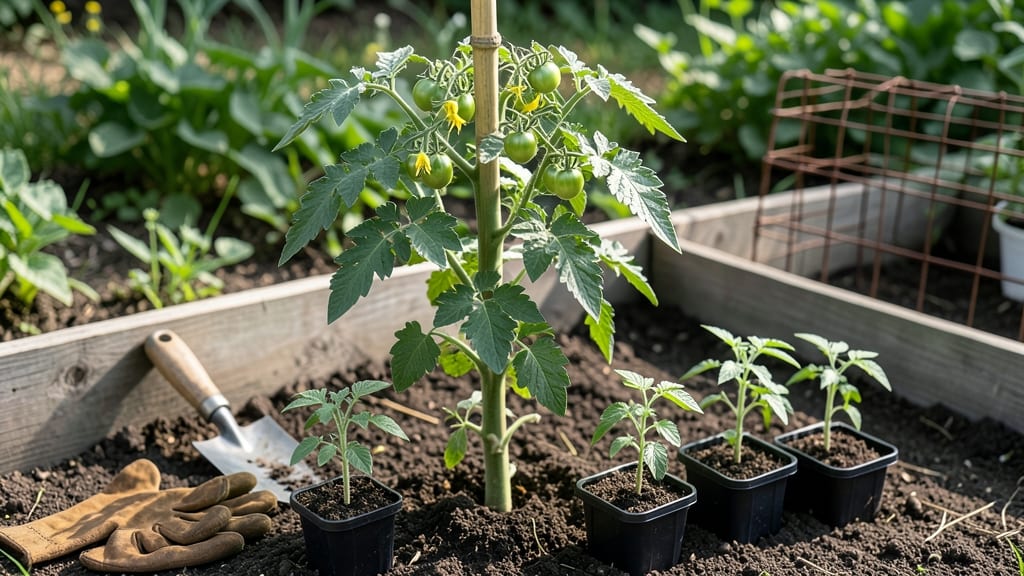
Planting tomatoes in California isn’t one-size-fits-all—get the timing wrong, and your 🍅 plants could face frost or scorching heat. The key is knowing whether you’re in coastal USDA Zone 8-11, where mild winters allow early starts, or inland regions where heat arrives fast.
Most gardeners in California’s coastal areas (like San Francisco or Santa Barbara) can start seeds indoors as early as February, while inland zones (think Sacramento or Los Angeles) wait until March or April to avoid late frosts.
The difference? Coastal fog delays heat, while inland areas hit 70°F soil temps weeks earlier.
But here’s the game-changer: microclimates matter more than zones. A valley just miles from the coast might need a 2-week delay, and urban heat islands can push planting dates even later.
I’ll break down exactly how to adjust for your specific corner of California—so your tomatoes thrive from seed to harvest.
Ready to stop guessing and start growing? Let’s dive into the perfect planting windows, soil prep secrets, and variety picks that’ll make your tomato season foolproof—no matter where you garden in the Golden State.
California tomato planting dates by USDA zone: coastal vs. desert timelines
California’s USDA zones 5-11 create wildly different tomato-growing conditions. In coastal zones (8-10), chilly Pacific breezes delay planting until March-April, while desert zones (9-11) demand early February-March starts to beat 100°F+ summers.
Even within zones, microclimates like Santa Barbara’s Mediterranean fog or Death Valley’s extreme heat shift ideal timing by weeks.
Your soil temperature is the ultimate rule: Tomatoes need 55°F+ soil to germinate, and 60°F+ for healthy root growth. Use a soil thermometer—don’t guess! Coastal areas often hit these temps by late February, while inland valleys may wait until mid-April.
Here’s how to navigate the chaos with a zone-by-zone breakdown of frost-free dates, heat risks, and microclimate exceptions:
| USDA Zone | Avg. Last Frost | Ideal Planting Window | Soil Temp Threshold | Zone-Specific Risk | Microclimate Exception |
|---|---|---|---|---|---|
| 5 (High Sierra) | May 15 | Late May - June | 60°F+ | Late frosts | Short growing season |
| 6 (Northern CA) | April 1 | April 15 - May 1 | 55°F+ | Cool soils | Sacramento Valley |
| 7 (Bay Area) | March 15 | March 1 - April 15 | 58°F+ | Fog delays | San Francisco coast |
| 8 (Central Coast) | February 15 | February 15 - March 30 | 55°F+ | Coastal winds | Santa Barbara |
| 9 (Southern CA) | January 15 | January 30 - March 15 | 55°F+ | Heatwaves | Los Angeles Basin |
| 10 (Desert) | December 15 | January 1 - February 15 | 60°F+ | Extreme heat | Palm Springs |
| 11 (Death Valley) | November 1 | December 1 - January 15 | 65°F+ | 120°F+ summers | Oasis planting |
Notice how coastal zones (7-8) like Santa Barbara can plant 6 weeks earlier than inland zones? That’s the fog factor—coastal areas stay cooler longer. Meanwhile, desert zones (10-11) must plant earlier to avoid 110°F+ soil that sterilizes roots. Use shade cloth in summer for inland plants to prevent sunscald.
For zone 9 gardeners in Los Angeles, I recommend two plantings: one in February for early varieties and a second in July for fall harvests. The Santa Ana winds in October can scorch unripe fruit, so prioritize heat-tolerant varieties like ‘Solar Fire’ or ‘Heatmaster.’
In zone 5 mountain regions, focus on fast-maturing varieties (60-70 days) like ‘Mountain Merit’ or ‘Stupice.’ These areas have only 120 frost-free days, so start seeds indoors in March and transplant after May 15. Use row covers for early protection.
Pro tip: Check CIMIS weather stations (California Irrigation Management Information System) for your exact location’s 3
How to adjust tomato planting dates for California’s microclimates: 3 critical factors
California’s microclimates defy simple planting rules—what works in San Francisco’s foggy coast fails in Death Valley’s heat. Three factors dominate your tomato planting success: elevation shifts (mountains vs. valleys), urban heat islands, and wind exposure (coastal vs. inland).
Ignore these, and you risk frost damage or heat stress before your plants even set fruit. The key? Local data—tools like the CIMIS weather network (run by the California Irrigation Management Information System) provide real-time soil temps and frost alerts to pinpoint your ideal planting window.
Start by checking your specific microclimate. A San Diego garden might plant in February, while Sacramento’s valley waits until mid-April. Even within cities, urban heat islands can push planting dates 2-3 weeks earlier than rural areas.
For example, Los Angeles’ downtown (warmer) may plant heirloom tomatoes in late February, while Malibu’s coastal zone waits until March 15th to avoid late-spring chills. Use CIMIS station data (find yours [here](https://cimis.water.ca.gov/)) to track soil temperatures—tomatoes need 55°F+ for roots to establish.
Your elevation also dictates timing. Mountain regions (like Lake Tahoe’s Zone 7) plant 4-6 weeks later than valleys (e.g., Bakersfield’s Zone 10).
At 5,000+ feet, frost lingers until May 1st, while sea-level zones (like Long Beach) face no frost risk after January 1st. Wind exposure adds another layer: Coastal areas (e.g., Santa Cruz) need windbreaks or staked varieties to survive salty breezes, while inland zones (like Fresno) can handle unprotected plants but risk heat scorch if planted too early.
- 🌡️ Soil temp below 55°F: Seedlings rot or stunt. Use a soil thermometer—wait until 60°F+ for roots to thrive.
- 🌬️ Frost warnings in forecast: Check CIMIS or National Weather Service for late-spring chills (even in Zone 9). Delay planting if frost is predicted.
- ☀️ Blistering heat (90°F+) at planting: Seedlings wilts instantly. In desert zones, start seeds indoors 8 weeks early or use shade cloth for outdoor plants.
Urban gardeners face unique challenges. Concrete and asphalt absorb heat, making city soils 5-10°F warmer than rural areas. Test your soil temperature with a digital thermometer—if it’s 70°F+ in March, you can plant heat-tolerant varieties (like ‘Solar Fire’) 2 weeks early. Conversely, coastal fog (e.g., Monterey) can delay planting until April 1st to avoid chilly mornings. Wind-prone areas (like Point Reyes) need sturdy cages or row covers to protect young plants from salt spray and drying winds.
Adjust your planting method based on microclimate risks. In high-elevation zones, start seeds indoors 6-8 weeks before last frost (use grow lights for 14+ hours/day).
In low-desert areas (e.g., Palm Springs), direct-sow in March but mulch heavily to retain moisture. Coastal fog belts (like Big Sur) benefit from black plastic mulch to warm soil faster.
Always harden off seedlings for 7-10 days before transplanting—temperature shocks kill 30% of coastal plantings if rushed.
Fine-tune with local experts. Visit your county extension office (e.g., UC Master Gardeners) for hyper-local advice. They’ll know if your neighborhood’s microclimate (e.g., a canyon in LA) has unique frost pockets or heat sink effects.
For example, Pasadena’s foothills can be 10°F cooler than downtown—plant 2 weeks later if you’re in the hills. By combining CIMIS data, soil tests, and neighborhood observations, you’ll nail your tomato planting window—guaranteeing zero frost loss and maximum harvests.