
Plants
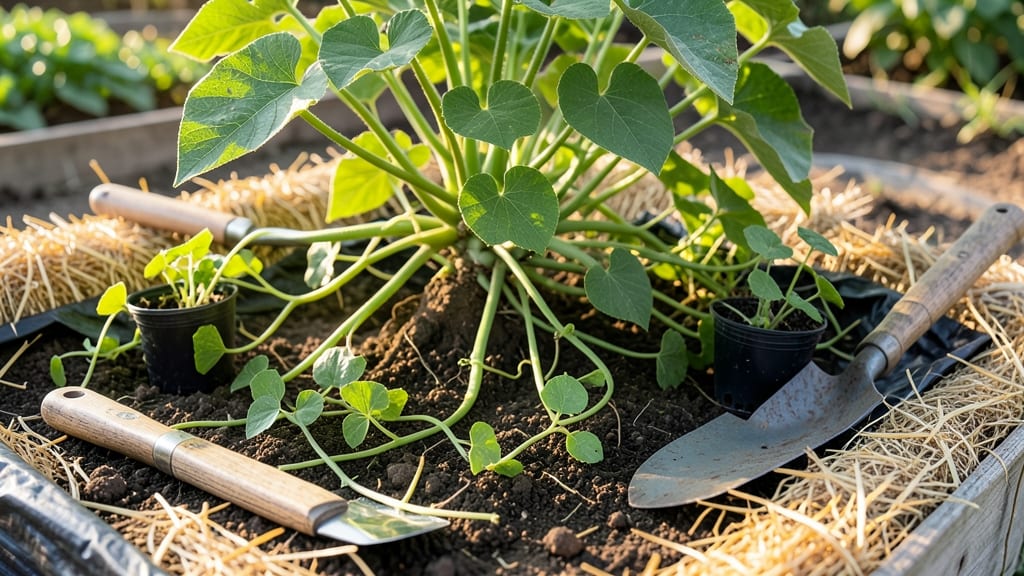
Planting sweet potatoes in Texas at the wrong time can mean the difference between a bountiful harvest and wasted effort. Unlike other veggies, these 🍠 gems need warm soil and steady heat to thrive—and Texas' varied climate zones make timing everything.
If you're in North or Central Texas (zones 8a-9a), your window runs from March through June, when soil temperatures finally climb above 65°F.
But down in South Texas (zones 9b-10b), you can start as early as February and stretch into May, thanks to milder winters. Get it wrong, and you'll face stunted growth or pest problems before the vines even take off.
I've learned the hard way that rushing sweet potatoes into cold soil leads to rot, while planting too late cuts harvest time short. The key is matching your location to the 120-day growing season before Texas' first frost—whether that's December in the Panhandle or November near the coast.
Let me show you exactly how to nail those deadlines for your specific heat zone.
We'll also cover pro tips like using black plastic mulch to warm the soil faster, choosing early vs. late varieties, and when to fertilize for maximum yields. Ready to grow sweet potatoes that rival the ones at your favorite farmers' market? Let's get started.
Texas heat Zone planting calendar: best months for sweet potatoes by region
Texas’ diverse climate means your sweet potato planting window depends heavily on your USDA heat zone. In Zone 8A (North Texas), you’ll need to wait until after the last frost date, while Zone 10A (South Texas) offers an extended season.
Getting this timing right ensures your slips (young plants) establish roots before summer’s brutal heat sets in.
Sweet potatoes hate cold soil—they won’t thrive until temperatures hit 65°F (18°C). In cooler zones, this often means waiting until late March or April, while warmer regions can start as early as February. Missing this window risks stunted growth or disease pressure from Texas’ humidity.
Soil temperature is your best guide, not just the calendar. Use a soil thermometer to confirm readiness—planting too early in Zone 8A can lead to rot, while Zone 10A gardeners might squeeze in a second planting in July for fall harvests.
Here’s your region-specific planting calendar, including frost-free deadlines and soil temperature thresholds to maximize yields:
| Heat Zone | Last Frost Date | Ideal Planting Window | Soil Temp Threshold | Harvest Window |
|---|---|---|---|---|
| 8A (North Texas) | February 15 | March 15–April 30 | 65°F (18°C) | October–December |
| 9A (Central Texas) | February 1 | February 20–May 15 | 65°F (18°C) | September–November |
| 9B (East Texas) | January 15 | February 1–May 30 | 65°F (18°C) | August–December |
| 10A (South Texas) | January 1 | February 1–June 15 | 60°F (15°C) minimum | July–December |
In Zone 8A, aim for March 15–April 30 to avoid early-season pests like flea beetles. Zone 10A gardeners can push planting into June for a fall harvest, but watch for heat stress—mulch heavily to retain moisture.
Pro tip: Black plastic mulch raises soil temperatures 5–10°F faster in cooler zones, letting you plant 2–3 weeks earlier. Lay it down 2 weeks before your target date for best results.
For Zone 9A–10A, consider succession planting: Start slips in February, then again in June for a staggered harvest. This works especially well in East Texas, where humidity is high year-round.
Never plant sweet potato seeds (the nuts) in Texas—they’re slow to germinate and prone to damping off. Always use slips (young plants) for faster, more reliable growth. Buy them from local nurseries or start your own from store-bought sweet potatoes in water or moist sphagnum moss.
Watch for first frost warnings in November (especially in Zone 8Aharvest early before temperatures drop below 50°F (10°C), which damages storage roots.
🍠
How to time your sweet potato planting for maximum yield in Texas
Timing is everything when growing sweet potatoes in Texas. Unlike cooler climates, Texas gardeners must balance heat tolerance with humidity challenges to avoid pests and poor yields.
Planting too early risks soil-borne diseases, while late planting cuts harvest time short. The key? Start when soil hits 65°F (18°C)—a threshold critical for root development.
Texas’ diverse heat zones (8A-10B) mean planting windows vary by region. North Texas gardeners should wait until mid-April, while South Texas growers can start as early as mid-February. Understanding these nuances ensures your vines thrive without stress. Let’s break down the proven strategies to maximize your harvest.
For extended harvests, stagger planting by 2-3 weeks using both slips and seeds. Early plantings (February-March) yield smaller but sweeter tubers, while late plantings (May-June) produce larger storage roots. Always harvest before first frost—even in Zone 10, yields drop sharply when nights dip below 50°F (10°C).
Pro tip: Use a soil thermometer to confirm readiness. Buried at 4 inches deep, soil should stay above 65°F (18°C) for 7+ days before planting. In North Texas, this often means waiting until late April, while South Texas gardeners can start in early March.
Adjust for microclimates—shady spots may need a 2-week delay.
Remember, Texas humidity is your biggest challenge. Overhead watering spreads fungal diseases like black rot. Instead, use drip irrigation or soaker hoses to keep leaves dry.
Water deeply early in the morning to reduce evaporation and pest activity. With these strategies, you’ll turn Texas’ heat into sweet potato success.