
Plants
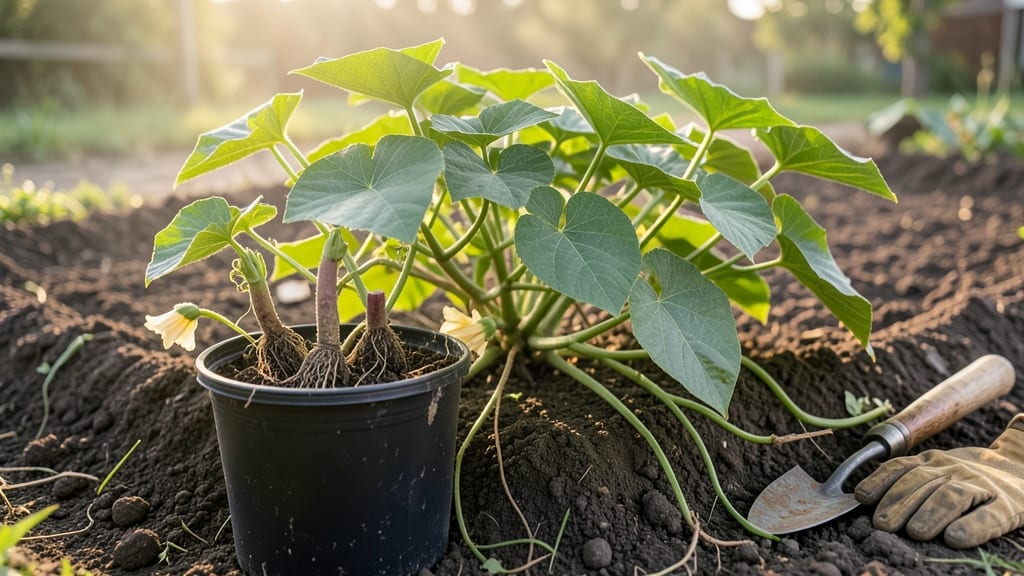
Planting sweet potatoes in Florida at the wrong time can turn your garden dreams into a wasted effort—but getting the timing right means harvesting bountiful, sweet 🍠 tubers all season long.
Unlike cooler climates, Florida’s frost-free zones (9a-11) let you grow sweet potatoes year-round—but that doesn’t mean you can plant whenever you feel like it. The key is understanding your heat zone and soil temperature, because even Florida’s warm weather has its ideal windows for maximum yield.
In this guide, I’ll break down the exact months to plant for your region, whether you’re in North or South Florida, and how to stretch your harvest season for continuous sweet potato success.
You’ll learn how to time your planting for perfect soil warmth, avoid common pitfalls like vine stress, and even extend your growing season with smart strategies tailored to Florida’s unique climate.
Florida heat zone planting dates for sweet potatoes: exact months by region
Florida’s 11 heat zones create unique microclimates that dramatically affect sweet potato planting times. Unlike northern states, Florida’s zero frost risk means you can grow sweet potatoes year-round—but timing still matters for optimal yields.
The key is balancing soil temperature (ideal: 65°F+) with humidity levels, which vary wildly from North Florida’s drier climate to South Florida’s tropical heat.
Most gardeners focus on spring planting (March-May), but summer planting (July-August) works too—with tradeoffs. Spring plantings benefit from longer growing seasons before summer heat peaks, while summer plantings avoid spring pests like sweet potato weevils.
Let’s break down the exact months for each region, so you can choose the best window for your Florida heat zone.
| Florida Heat Zone | Primary Planting Window | Secondary Window | Soil Temp Requirement | Key Consideration |
|---|---|---|---|---|
| Zones 8a-8b (North FL: Jacksonville, Gainesville) | March 15 - April 30 | July 1 - August 15 | 65°F+ (warmer by May) | Spring planting avoids summer droughts; summer planting risks vine stress |
| Zones 9a-9b (Central FL: Orlando, Tampa) | February 20 - April 15 | June 15 - July 31 | 68°F+ (soil warms faster) | Spring planting ideal; summer planting needs extra mulch |
| Zone 10a (South FL: Fort Myers, West Palm Beach) | January 15 - March 15 | May 1 - June 15 | 70°F+ (consistently warm) | Early spring planting avoids summer humidity stress; summer planting risks fungal diseases |
| Zones 10b-11 (South FL: Miami, Key West) | December 1 - February 15 | April 1 - May 15 | 72°F+ (tropical heat) | Winter planting ideal; summer planting requires shade cloth |
| All Zones (Staggered Planting) | Every 2-3 weeks (March-Sept) | N/A | 65°F+ | Extends harvest season by 2-3 months |
If you’re in North Florida (Zones 8a-8b), aim for late March to April to avoid summer droughts. The soil temperature in Gainesville rarely drops below 65°F after April 1, making this the sweet spot for spring slips.
However, summer planting (July-August) is riskier here due to higher humidity, which can encourage fungal diseases like black rot.
For Central Florida (Zones 9a-9b), you’ve got flexibility. Start as early as late February in Orlando, where soil warms quickly. Tampa’s slightly cooler microclimate may need a 2-week delay. The tradeoff? Summer plantings (June-July) avoid spring pests but require extra mulch to retain moisture in sandy soils.
I’ve had success with black plastic mulch to keep roots cool during Florida’s 100°F+ summers.
In South Florida (Zones 10a-11), the rules change entirely. Winter planting (December-February) is ideal—you’ll harvest by summer’s end before humidity spikes. Miami gardeners can even plant in April-May for a fall harvest, but watch for sweet potato weev
How to extend your sweet potato season in Florida: staggered planting vs. fall harvesting
Sweet potatoes thrive in Florida’s warm climate, but poor timing can lead to small yields or even vine dieback. The key to maximizing your harvest lies in staggered planting and strategic fall harvesting.
Unlike northern states, Florida’s zero frost risk lets you grow sweet potatoes year-round—but with the right approach, you can optimize your garden’s productivity.
Most gardeners focus on spring planting (March-May), but summer and fall strategies can double your harvest. By planting slips in July-August, you’ll catch the cooler fall months when sweet potatoes mature faster.
This method also helps avoid peak summer heat stress, which can stunt growth or cause tuber deformities.
- 📅 Spring Planting: March-May for a fall harvest (Oct-Dec). Ideal for Beauregard and Jewel varieties.
- 🌡️ Summer Planting: July-August for a winter harvest (Jan-Feb). Best for Centennial or Covington varieties.
- 🍠 Fall Harvest: October-November when vines yellow and die back. Avoid harvesting too early—tubers need 100+ days to mature.
- 💧 Watering Tip: Reduce water 2 weeks before harvest to toughen skins and improve storage life.
- ⚠️ Avoid Pitfalls: Excess humidity causes fungal diseases—space plants 12 inches apart for airflow.
For staggered planting, start with half your slips in March and the other half in early July. This ensures a continuous harvest from October through December, giving you fresh sweet potatoes for holiday meals and beyond.
The July planting benefits from cooler fall temperatures, reducing stress on the plants.
When harvesting in fall, watch for vines turning yellow and leaves curling.
Use a fork to loosen soil gently—never pull tubers, as this can damage them. Cure harvested sweet potatoes by storing them in a warm (85°F), humid (80%) environment for 10 days to develop flavor and improve storage life.
One common mistake is overwatering in fall, which can lead to soft, waterlogged tubers. Instead, water deeply but less frequently as harvest nears. Mulch with straw or grass clippings to retain soil moisture while preventing weed competition.
This dual approach keeps your sweet potatoes healthy and productive until the last harvest.
By mastering staggered planting and fall harvesting, you’ll enjoy bigger yields and longer storage life for your sweet potatoes. Whether you’re growing for family meals or market sales, these strategies ensure success in Florida’s unique climate. 🍠