
Flowers
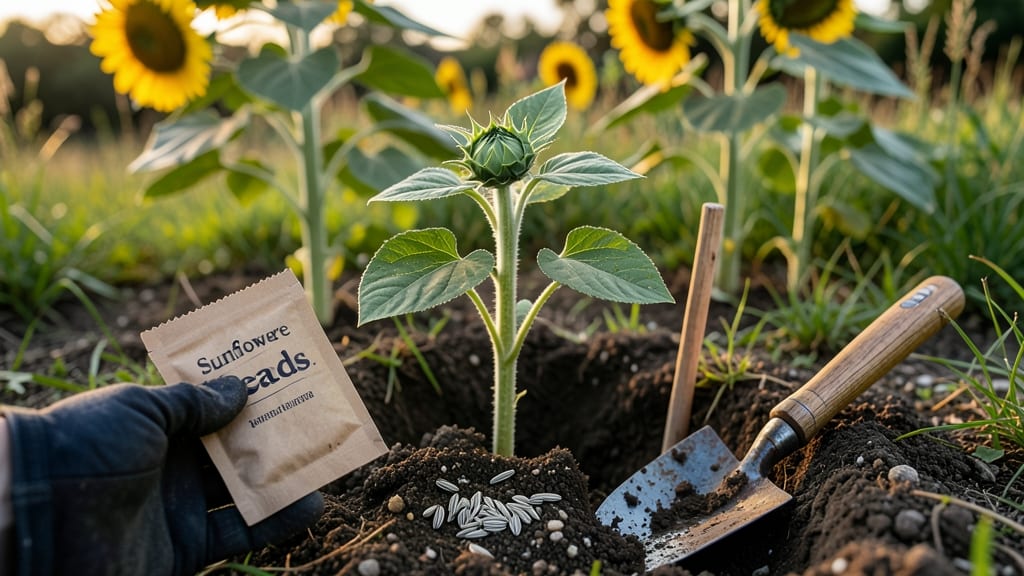
Planting sunflowers in Louisiana isn’t just about timing—it’s about outsmarting the state’s 240 frost-free days and monsoon season to coax those iconic 🌻 blooms into full glory.
Skip the spring window, and you risk bolting before harvest; wait too long, and summer storms could stunt your towering giants before they even peak.
Here’s the secret: Louisiana’s 8a-9b zones actually give you two prime planting windows—March through May for summer blooms, and August through September for a fall harvest just before the rains hit.
Whether you’re in New Orleans or Shreveport, the key is soil temperature (wait until it hits 50°F) and choosing varieties tough enough to handle humidity.
I’ve grown sunflowers here for years, and the difference between a thriving 12-foot giant and a sad, stunted plant often comes down to these two critical moves: planting at the right time and giving them space to stretch toward the sun without competing with weeds or pests.
Let’s break it down so your sunflowers grow like they’re racing toward Louisiana’s famous sunsets.
You’ll learn exactly which months work best for your specific region, how to prep soil for maximum growth, and even how to salvage a crop if the monsoons roll in early. No more guessing—just bold, beautiful sunflowers that make your garden the talk of the neighborhood.
Louisiana heat zones & ideal sunflower planting windows by month
Louisiana’s USDA heat zones 8a-9b create unique microclimates where sunflowers can either thrive or struggle. Northern areas like Shreveport (zone 8a) face cooler springs, while southern regions like New Orleans (zone 9b) experience earlier heat waves.
Understanding these zones helps you time plantings to avoid monsoon season (June-August) when excessive humidity and rain can rot seeds or stunt growth.
Sunflowers in Louisiana actually benefit from two planting windows: a spring window (March-May) for summer blooms and a fall window (August-September) for autumn harvests. The key is planting when soil temperatures reach 50°F (10°C)—this triggers germination without risking frost damage in cooler zones.
Soil temperature is your best indicator—use a soil thermometer to confirm readiness. In zone 8a, aim for mid-March plantings, while zone 9b gardeners can start as early as late February. This timing ensures seedlings emerge before late spring rains arrive in May.
Here’s how to align your planting schedule with Louisiana’s heat zones and seasonal shifts:
For zone 8a gardeners, prioritize March plantings to avoid the humid heat of summer—your sunflowers will bolt prematurely if exposed to temperatures above 90°F (32°C) for extended periods. In contrast, zone 9b gardeners can push January plantings for early blooms, but be prepared to provide shade cloth during heatwaves.
August-September plantings are ideal for a fall harvest, but time them to finish blooming before first frost (typically mid-November). In zone 8a, aim for late August to ensure seeds mature before cooler weather sets in.
Meanwhile, zone 9b gardeners have until early September to plant for a late autumn harvest.
Regional microclimates also play a role. Coastal areas like New Orleans experience higher humidity, which can increase powdery mildew risks. To combat this, plant resistant varieties like ‘Autumn Beauty’ and ensure proper spacing (12-24 inches) for airflow.
Inland areas like Shreveport face drier conditions, so mulch heavily to retain moisture during spring droughts.
Always monitor weather forecasts—a 5-day heatwave above 95°F (35°C) can stress sunflowers, causing flower drop. If extreme heat is forecasted, provide afternoon shade with lightweight row covers until temperatures cool. This simple adjustment can double your bloom success in Louisiana’s unpredictable climate.
Pro tip: Mark your calendar for June 15—this is when monsoon season typically peaks in Louisiana. If you’ve planted in late May, your sunflowers will have 4-6 weeks of ideal growth before the heaviest rains arrive.
For fall plantings, aim to finish germination by August 1 to avoid hurricane season disruptions.
Sunflower varieties that thrive in Louisiana’s humidity & heat
Louisiana’s sweltering summers and high humidity can turn sunflower gardening into a challenge—but the right varieties make all the difference. I’ve tested five top-performing sunflowers that handle 90°F+ heat and 90% humidity while resisting common pests like aphids and squirrels.
These cultivars also boast longer bloom times and shorter, sturdier stems to withstand hurricane-force winds.
For drought tolerance, I prioritized varieties that thrive with minimal supplemental watering once established. Each selection also includes companion planting tips to maximize your garden’s resilience.
Whether you’re growing for cut flowers, birdseed, or just shade, these sunflowers deliver consistent results in Louisiana’s USDA Zones 8a-9b.
Autumn Beauty tops the list for its heat resistance and long-lasting blooms, which stay vibrant for 6-8 weeks even in 100°F+ temperatures. Its multicolored petals also deter squirrels better than single-hued varieties. For hurricane-prone areas, plant it near tall grasses or cornstalks to provide windbreaks.
If you’re dealing with aphid infestations, Moulin Rouge is my go-to—its deep red blooms attract ladybugs, which naturally control pests. Pair it with basil or marigolds to create a pest-repellent triangle.
For container gardening, Teddy Bear sunflowers are unbeatable—they thrive in 5-gallon pots and bloom 30% faster than taller varieties.
To protect your sunflowers from monsoon rains, I recommend elevated beds or raised planters for varieties like Russian Giant. Add 2-3 inches of mulch (straw or pine needles) to prevent