
Plants
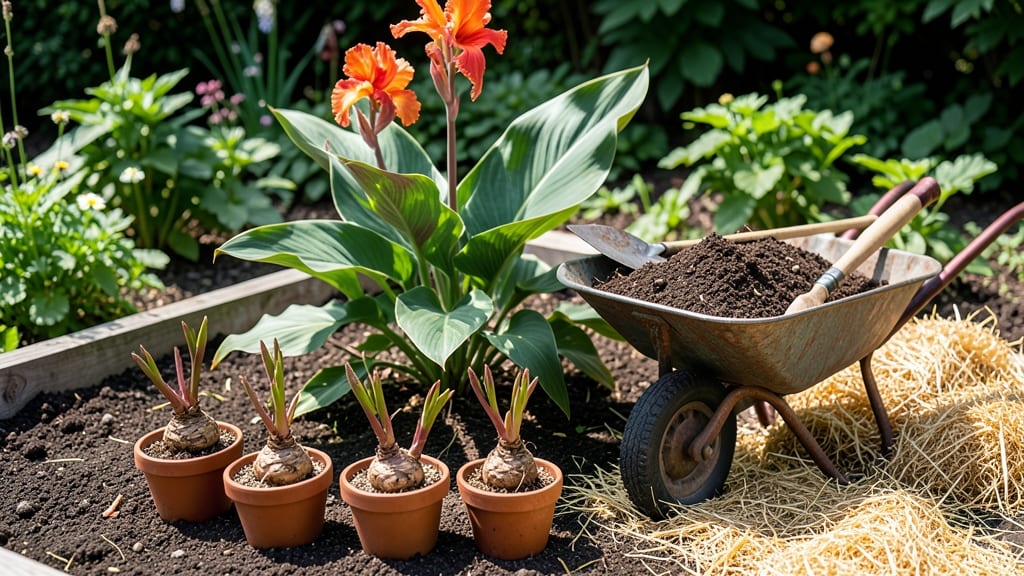
Planting your cannas at the wrong time in Zone 7 can mean the difference between stunning summer blooms and a sad, wilted mess. The key to success isn't just waiting for spring—it's understanding when the soil is warm enough and the frost risk has truly passed.
For Zone 7 gardeners, the ideal window opens after the last frost—typically between late April and early June. But here's the catch: waiting for the calendar date alone isn't enough. You'll also need to check soil temperatures, which should consistently stay above 60°F for those tropical rhizomes to thrive.
I've learned the hard way that planting too early can leave your cannas 🌺 vulnerable to rot, while waiting too late might mean missing their dramatic foliage entirely.
Let me walk you through the exact timing, soil prep, and care tips to ensure your cannas take off like a pro's garden.
Whether you're a first-time planter or a seasoned gardener, these insights will help you avoid common mistakes and get the most vibrant display possible. Let's make sure your cannas become the showstopper of your summer garden!

Zone 7 cannas planting timeline: exact weeks before last frost
Timing your canna planting in Zone 7 is all about balancing soil warmth and frost risk. These tropical beauties need consistent 60°F+ soil to thrive, but planting too early can lead to rot from lingering cold. My best advice?
Wait until 2-4 weeks after your last frost date, when daytime highs regularly hit 70°F+. For most of Zone 7, this means late April to early June, but your exact window depends on whether you're in 7a (colder) or 7b (warmer).
I’ve seen gardeners in Atlanta (7b) plant as early as mid-April with success, while those in Roanoke (7a) often wait until early May. The key is monitoring soil temperature—stick a soil thermometer 2 inches deep.
If it’s below 60°F for more than a few days, delay planting. Cannas are not frost-hardy, so even a light freeze will damage emerging shoots.
Here’s my pro tip: If you’re eager to get started, pre-sprout your canna rhizomes indoors 4-6 weeks before your target planting date. Place them in a moist paper towel in a warm spot (around 70°F) and watch for green shoots.
This gives you a head start and ensures you’re ready to plant as soon as conditions are right.
If you’re planting in containers, you can push the timeline slightly earlier—2 weeks—since pots warm up faster. Just ensure your containers have drainage holes and use lightweight potting mix to prevent rot.
I’ve had success planting potted cannas in mid-April in Zone 7b by placing them on heat-absorbing bricks or using self-heating planting mats.
One mistake I see often is planting canna rhizomes too shallow. They need to be buried 4–6 inches deep—any shallower, and they’ll dry out or overheat. Space them 12–18 inches apart (closer for dwarf varieties) to allow for their bold foliage to spread.
After planting, water deeply to settle the soil and keep the area consistently moist for the first 2–3 weeks.
For gardeners in Zone 7a, I recommend waiting until after Memorial Day to plant outdoors. This gives you a 2-week buffer against late frosts, which can still occur in early May.
If you’re unsure, check your local Cooperative Extension Service for 10-year frost averages—they’re often more accurate than generic zone maps.
Once your cannas are in the ground, they’ll reward you with vibrant blooms in 6–8 weeks. But here’s the catch: Zone 7 is on the edge of canna hardiness. While they’ll survive winter in 7b, they often die back to the ground in 7a.
To extend their life, mulch heavily with straw or leaves in late fall and cover with burlap if temps drop below 20°F.
Pro move: Mark your planting date on a garden calendar and note the first bloom day. This helps you adjust future years—if your cannas bloom 3+ weeks later than expected, you might need to plant earlier or choose earlier-maturing varieties.
My 'Striped' cannas bloom in 70 days, while 'Black Knight' takes <
How to prepare cannas for Zone 7 planting: soil, sun, and prep tips
Cannas thrive in Zone 7’s warm climate, but their success hinges on proper soil prep and sun exposure. Unlike cooler zones, Zone 7’s humid summers demand well-draining soil to prevent root rot. Start by testing your soil’s pH—cannas prefer 6.0 to 7.0.
Amend heavy clay with compost or sand to improve aeration, while sandy soils benefit from peat moss or coconut coir to retain moisture.
Before planting, ensure your garden spot receives at least 6 hours of direct sunlight. Cannas are sun-lovers, and partial shade can lead to leggy growth and fewer blooms. If your yard has limited sun, choose dwarf varieties like ‘Pyramid’ that tolerate 4-5 hours of light.
Mark potential planting areas now to give soil time to warm—cannas need soil temperatures above 60°F to thrive.
Prepping canna rhizomes is just as critical. Soak dormant tubers in lukewarm water for 24 hours before planting to jumpstart growth. For large rhizomes, use a sterilized knife to cut them into 2-inch sections, ensuring each piece has at least one growth node.
Let cut surfaces dry for 1-2 hours to prevent rot—a common mistake in humid Zone 7 climates.
Plant rhizomes 4-6 inches deep and 12-18 inches apart, depending on variety. Larger, standard cannas need more space, while dwarf types can be spaced 8-12 inches apart. Mix a slow-release fertilizer (like 10-10-10) into the planting hole to provide nutrients as roots establish.
Mulch with 2-3 inches of organic mulch (straw or shredded leaves) to retain moisture and suppress weeds—critical in Zone 7’s intense heat.
After planting, water deeply but infrequently to encourage deep root growth. Avoid daily watering, which can drown roots in heavy clay soils. Instead, aim for 1 inch of water per week, adjusting for rainfall.
In Zone 7’s summer heat, morning watering prevents fungal issues by allowing foliage to dry quickly. Watch for yellowing leaves, a sign of overwatering or poor drainage.
Finally, stake tall varieties (like ‘Black Knight’) early to prevent flopping in humid conditions. Use bamboo stakes or tomato cages for support. With proper prep, your cannas will reward you with bold foliage and vibrant blooms from summer through fall.
Remember: Zone 7’s humidity is your biggest challenge—prioritize drainage and airflow to keep plants healthy all season.