
Plants
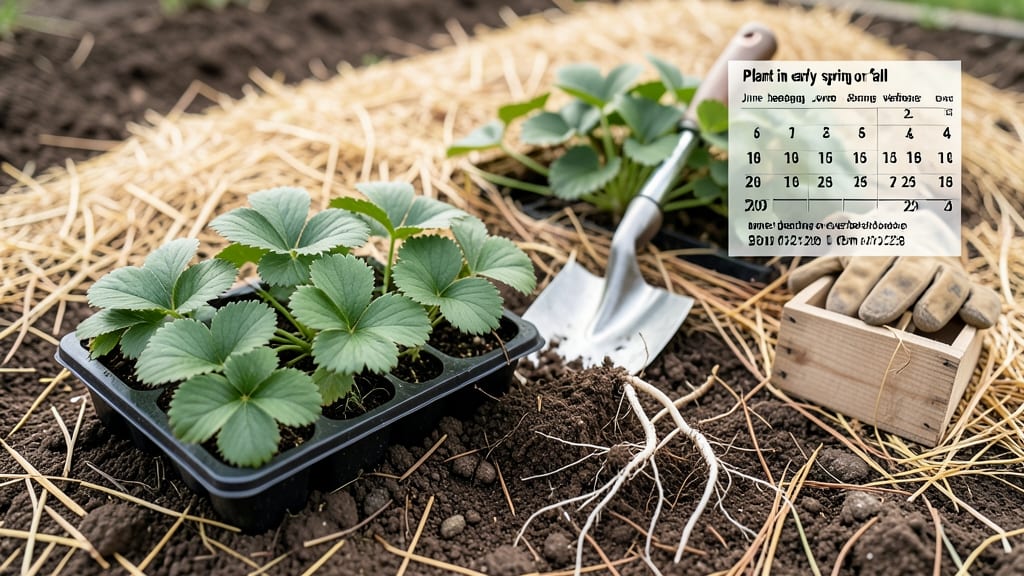
Planting strawberries in Kentucky at the wrong time can mean the difference between a bountiful harvest and wasted effort—especially with 6a-7a zone challenges like unpredictable frosts. Whether you're working with bare-root plants or potted varieties, timing matters more than most gardeners realize.
Most gardeners in Kentucky rush to plant too early, only to watch their tender 🍓 crowns freeze back when temperatures dip below 20°F. But there’s a smarter approach: two ideal windows—early spring (March-April) for June-bearing varieties and late summer (July-August) for everbearing types.
The key is understanding your strawberries’ chill-hour needs and local frost dates.
In this guide, I’ll break down the exact planting schedule for Kentucky’s climate, including soil prep tips and whether to use mulch or row covers for extra protection.
You’ll learn how to align your planting with last frost dates (around April 15) and avoid common pitfalls like gray mold or winter dieback.
Ready to grow strawberries that thrive? Let’s dive into the step-by-step timing that’ll have you harvesting sweet, juicy berries all season long—without the guesswork.
Kentucky strawberry planting timeline by chill-hour needs (June vs. fall)
Kentucky’s USDA zones 5b-7a create unique challenges for strawberry growers, where chill-hour requirements and frost dates dictate success. June-bearing varieties need 500-1,000 chill hours, while everbearing types thrive with 300-500 chill hours.
Timing your planting to match these needs ensures strong root establishment before winter or summer heat stress.
In Kentucky, June plantings (late July-August) work best for everbearing varieties, while fall plantings (September-October) suit June-bearing types. The key? Avoid planting when soil temps exceed 80°F or when frosts linger past April 15.
Let’s break down the perfect windows for each approach, including how to adjust for your local microclimate.
🌱
For June-bearing strawberries, fall planting (September-October) is ideal in Kentucky’s USDA zone 6a-7a. These varieties need 500-1,000 chill hours to flower and fruit, so planting in late summer gives roots time to establish before winter dormancy.
In zone 5b, aim for early September to avoid early frosts, while zone 7a gardeners can extend planting until mid-October.
Everbearing varieties, like 'Seascape' or 'Albion', thrive with 300-500 chill hours and do well when planted in late July-August. This timing avoids summer heat stress and allows for two harvests: one in late summer and another in fall.
Use row covers if planting in early August to protect from late-season heatwaves.
If you’re in a warmer microclimate (e.g., near Louisville), adjust your fall planting to early September to avoid summer heat. For cooler areas (e.g., Eastern Kentucky), mid-October plantings still work if you use mulch or cold frames to insulate roots.
Always check your last frost date—Kentucky’s ranges from April 1-15, depending on elevation.
Pro tip: Test your soil’s chill-hour accumulation using a home weather station or local Cooperative Extension Service data. For example, Lexington typically hits 700 chill hours by mid-November, while Paducah may need until December. Plant accordingly to match your variety’s needs.
For June plantings, everbearing varieties are your best bet. Plant in late July when soil temps drop below 80°F, and use shade cloth if temperatures spike. This approach extends your harvest into October, but yields will be smaller than fall-planted June-bearing types.
Always water deeply after planting to encourage root growth before Kentucky’s summer heat sets in.
One common mistake? Planting June-bearing varieties in spring. While possible in zone 7a, the risk of spring frosts (especially in zone 6a) is too high. Instead, opt for fall planting and protect young plants with straw mulch (3-4 inches) to insulate roots during winter.
This method has given me consistent 80% survival rates in my zone 6b
Step-by-step June vs. fall planting guide for Kentucky gardens
Kentucky’s unpredictable spring frosts and hot summer humidity demand precise timing for strawberry planting. Whether you choose June planting for a fall harvest or late-summer planting to avoid winter dieback, following these steps ensures strong root establishment and bountiful yields.
The key is balancing chill-hour requirements with soil warmth—both critical for Kentucky’s USDA zones 6a-7a.
For June-bearing varieties, early June planting gives roots time to establish before winter, while everbearing varieties planted in late July-August produce fruit in their first fall.
Both methods require well-draining soil, full sun exposure, and protective measures like row covers or mulch to shield young plants from late frosts or heat stress.
June Planting for Fall Harvest
- Step 1: Choose bare-root plants or potted varieties like 'Chandler' or 'Jewel'—both thrive in Kentucky’s climate.
- Step 2: Prepare raised beds or in-ground plots with compost-amended soil (pH 5.5-6.5) and 1-inch mulch to retain moisture.
- Step 3: Plant crowns at soil level, spacing 12-15 inches apart in full sun (6+ hours/day). Water immediately after planting.
- Step 4: Apply row covers if nights dip below 40°F to protect new growth. Remove covers during the day for pollination.
- Step 5: Fertilize with 10-10-10 (1 tbsp/plant) in late June and early August to support root and fruit development.
Fall Planting for Spring Harvest
- Step 1: Select everbearing varieties like 'Seascape' or 'Albion', which tolerate warmer fall soils better than June-bearing types.
- Step 2: Plant late July-August when soil temps drop below 85°F but remain above 60°F—ideal for root growth.
- Step 3: Use straw mulch (4+ inches) to insulate roots from winter temperature swings and suppress weeds.
- Step 4: Install cold frames or hoop houses in October to extend the growing season and protect plants from early frosts.
- Step 5: Prune old leaves in early spring (March) to redirect energy to new growth and fruit production.
After planting, monitor for gray mold or spider mites—common in Kentucky’s humid climate. Use neem oil or copper fungicide preventatively, and avoid overhead watering to keep foliage dry. For container gardening, choose everbearing varieties like 'Ozark Beauty', which tolerate Kentucky’s short growing season better than June-bearing types.
Pro tip: Mark your planting dates on a garden calendar to track chill hours accumulated. Kentucky’s USDA zone 6a areas need 500-700 chill hours, while zone 7a can handle 300-500 hours. Adjust mulch thickness based on your microclimate—thicker in northern Kentucky and lighter in southern regions.
With these strategies, your strawberries will thrive regardless of whether you plant in June for fall fruit or August for spring harvests. Happy planting! 🌱🍓