
Plants
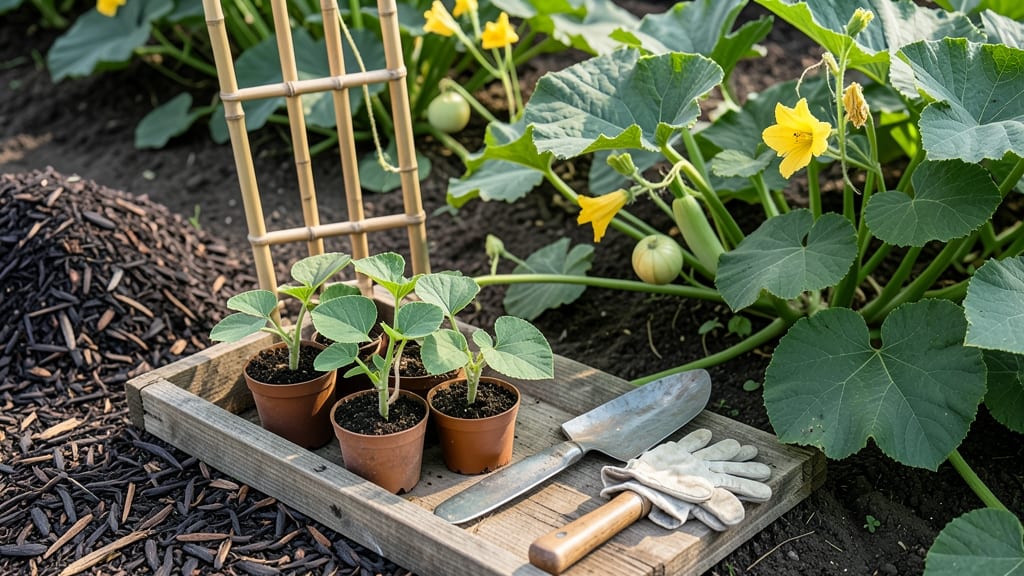
Planting squash in Texas isn’t just about throwing seeds in the dirt—it’s about mastering the heat and timing to avoid bitter vines or wasted harvests. If you’ve ever watched your squash 🎃 bolt into flowers too soon (or wilt under summer’s fury), you know the stakes are high.
The key to success lies in understanding your region’s last frost date and soil temperatures. North Texas gardeners should aim for mid-March to early May, while South Texas growers can stretch their season into late July or August.
But timing alone won’t cut it—soil prep and heat-tolerant varieties are just as critical.
In this guide, I’ll break down the exact months for your Texas zone, plus proven tricks to stretch your harvest—whether you’re dealing with rocky soil, container gardening, or relentless 100°F days. No more guessing games, just zero-bolt squash.
Ready to transform your garden? Let’s dive into the strategies that actually work for Texas heat zones 8a-10b—because your summer squash deserves better than trial and error.
Texas heat zones explained: best planting months by region
Texas isn’t one-size-fits-all when it comes to planting squash. With 13 USDA heat zones (7a-10b), your location dictates whether you’ll enjoy a long spring harvest or a summer-only rush.
North Texas gardeners in USDA Zone 8a face early frosts, while South Texas’ Zone 10a extends growing seasons into October. The key? Planting when soil temps hit 60°F+ and avoiding heat stress that triggers bolting.
Squash is a warm-season crop that despises cold snaps. In North Texas (Zones 7b-8b), wait until mid-April after the last frost (usually February 15).
Meanwhile, Central Texas (Zones 8a-9a) can start as early as late March, and South Texas (Zones 9b-10b) enjoys a second planting window in July for fall harvests. The difference? 100+ days of frost-free growing in the south vs. just 180 days in the north.
🌱 Pro Tip: Use black plastic mulch to warm soil faster in cooler zones. This can shave off 2-3 weeks from your planting timeline by raising soil temps by 5-10°F. In Zone 10a, I’ve seen gardeners skip mulch entirely and plant as late as June for a fall squash bounty.
⚠️ Warning: Planting too early in Zone 7a (like Panhandle regions) risks frost damage or bitter-tasting squash. Always check your local frost dates—even a 28°F night can kill young vines. For heat-sensitive varieties like zucchini, aim for soil temps above 70°F to prevent bolting.
In Zone 7a (like Lubbock), I’ve learned to plant after April 15—any earlier and unpredictable late frosts can wipe out seedlings. Meanwhile, Houston gardeners (Zone 9a) can enjoy two harvests: one from spring plantings and another from July’s summer squash.
The secret? Succession planting every 2 weeks ensures a steady supply.
For container gardeners, timing shifts slightly. Potted squash needs warmer soil to establish roots, so I recommend waiting until May 1 in Zone 8a and using heat-resistant varieties like ‘Eight Ball’ zucchini. Containers also dry out faster—water every 1-2 days during 90°F+ heatwaves to prevent bolting.
Don’t overlook shade cloth in South Texas’ peak summer (June-August
How to stretch your squash season: transplanting, succession planting, and heat tolerant varieties
Texas summers are unforgiving for squash, but with the right strategies, you can stretch your harvest from early summer to late fall. The key lies in transplanting at the perfect time, choosing heat-tolerant varieties, and using succession planting to keep your garden productive.
Even in USDA zones 8-10, these techniques can add 2-3 extra weeks of harvestable squash before the heat sets in.
Most gardeners make the mistake of planting too early, only to watch their squash bolt prematurely from the stress of cool nights. Instead, focus on transplanting seedlings after soil temperatures hit 60°F consistently—usually mid-April in North Texas and late March in South Texas.
This small adjustment can mean the difference between a bountiful harvest and a bitter disappointment.
- Transplant timing: Wait until soil is 60°F+—typically mid-April (North TX) or late March (South TX).
- Heat-tolerant varieties: Choose 'Black Beauty' or 'Caserta' for Texas heat; both resist bolting better than standard types.
- Succession planting: Sow new seeds every 2-3 weeks from April to June for staggered harvests.
- Shade cloth: Use 30% shade cloth in peak summer (Aug-Sept) to delay bolting by 10-14 days.
- Mulch: Apply black plastic mulch to warm soil faster in spring and retain moisture in summer.
For succession planting, start with your first batch in mid-April, then sow new seeds every 2-3 weeks through early June. This ensures a continuous supply of young plants that can handle the heat better than older seedlings.
In South Texas, where summers are even longer, you can extend this to early July for a late-season harvest before the first frost.
Heat-tolerant varieties like 'Black Beauty' zucchini and 'Caserta' summer squash are your best allies in Texas. These varieties thrive in temperatures up to 95°F and produce fruit even when other squash varieties wilt.
Pair them with black plastic mulch to raise soil temperatures by 5-10°F, giving your plants a head start in the heat. This simple trick can push your harvest window by 1-2 weeks without extra effort.
If you’re growing in containers or raised beds, opt for bush varieties like 'Eight Ball' zucchini, which take up less space and produce fruit faster.
These compact plants are ideal for urban gardens or small spaces, and they’re less likely to succumb to the stress of crowded roots in extreme heat. Just ensure your containers have drainage holes and use lightweight potting mix to prevent root rot.
Finally, don’t underestimate the power of shade cloth during peak summer months. A 30% shade cloth can reduce soil temperatures by 10-15°F, delaying bolting and extending your harvest by 2-3 weeks.
Install it over your squash plants in late July and remove it in early September as temperatures drop. This low-cost solution is a game-changer for Texas gardeners.