
Plants
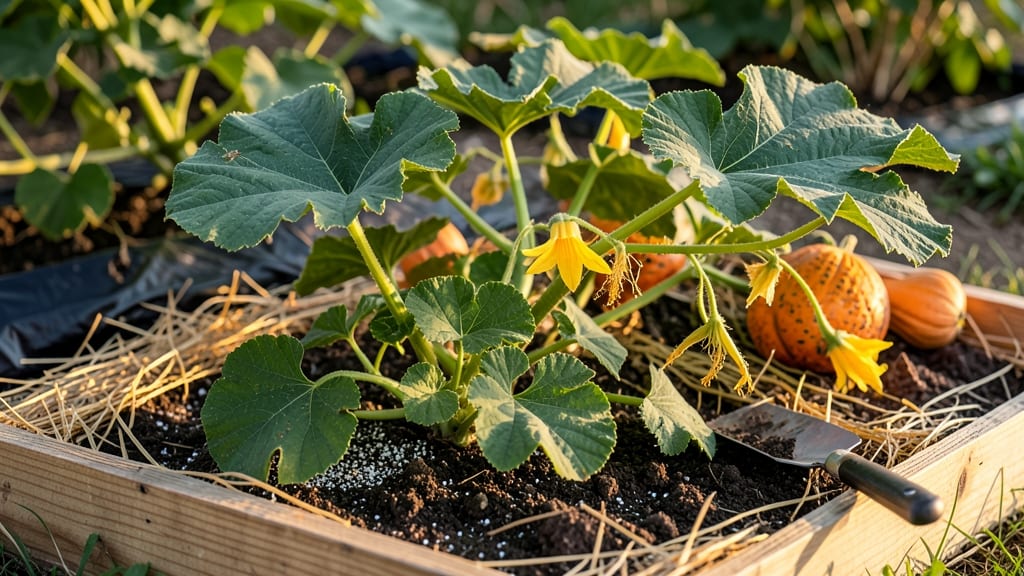
Planting pumpkins in South Carolina at the wrong time means the difference between a thriving 🎃 patch and wasted effort—especially when coastal and Piedmont regions have completely different frost patterns.
If you’ve ever struggled with seedlings dying in cold snaps or pumpkins not maturing before the first frost, you’re not alone.
The ideal window for planting pumpkins in South Carolina runs from mid-April to early June, but that’s just the starting point. Coastal areas like Charleston stay cooler longer, while Piedmont zones near Columbia can handle earlier planting once soil warms to 70°F+.
Getting this timing right is the key to avoiding common mistakes that leave gardeners frustrated.
In this guide, I’ll break down exactly when to plant—whether you’re starting seeds indoors or direct-sowing—plus the 5 critical factors that determine your success. From soil prep to variety selection, you’ll learn how to adapt your approach based on your specific microclimate.
Whether you’re growing pumpkins for jack-o’-lanterns or storage, these insights will help you plan with confidence. Let’s get started!
South Carolina pumpkin planting calendar: coastal vs Piedmont timing differences
South Carolina’s two distinct climate zones—coastal and Piedmont—create major differences in pumpkin planting success. Coastal areas like Charleston have warmer winters and longer growing seasons, while the Piedmont (Columbia, Greenville) experiences earlier frosts and cooler springs.
Understanding these differences ensures your pumpkins thrive, whether you're growing jack-o'-lanterns or pie pumpkins.
For both regions, soil temperature is the #1 factor. Pumpkin seeds need soil at 70°F+ to germinate quickly. Coastal areas hit this mark 2-3 weeks earlier than Piedmont gardens.
Meanwhile, last frost dates vary by 10-14 days, meaning your planting window shifts dramatically depending on where you live in the state.
Here’s the key difference: Coastal SC can start seeds indoors in late February, while Piedmont gardeners should wait until mid-March. Direct sowing outdoors follows a similar pattern—coastal areas can plant as early as mid-April, while Piedmont should hold off until late April to early May.
🎃
| Task | Coastal SC (Zone 8a) | Piedmont SC (Zone 7b) | Key Notes |
|---|---|---|---|
| Last Frost Date | March 15 | March 30 | Coastal areas warm up 2 weeks earlier. |
| First Frost Date | November 15 | November 1 | Piedmont freezes 2 weeks sooner. |
| Indoor Seed Start | Late February | Mid-March | Use grow lights for faster seedlings. |
| Outdoor Planting Window | Mid-April to May 15 | Late April to June 1 | Wait until soil is 70°F+. |
| Transplant Ready | April 15 | May 1 | Hardy after 2 true leaves appear. |
| Direct Sowing Window | April 1 to May 10 | May 1 to June 1 | Plant 1 inch deep, 4-6 ft apart. |
| Harvest Window | October 15 to November 15 | September 20 to October 30 | Beat coastal humidity before rot. |
| Soil Prep Tip | Add compost in March | Wait until April 1 for soil warmth | Piedmont soil stays cooler longer. |
Let’s break down the month-by-month timeline for each region. In coastal SC, you can start seeds indoors in late February under grow lights. By mid-April, when soil temperatures hit 70°F, you can transplant seedlings outdoors or direct-sow.
The longer growing season means you’ll harvest pumpkins 2 weeks later than Piedmont gardeners.
For Piedmont SC, wait until mid-March to start seeds indoors. Transplant outdoors after May 1, when nighttime temperatures stay above 55°F. Direct sowing should begin no earlier than May 15 to avoid frost damage.
The shorter season means you’ll need to prioritize faster-maturing varieties like ‘Jack Be Little’ (75 days) over ‘Howden’ (110 days).
Pro tip: Use black plastic mulch to warm soil faster in Piedmont gardens. This can shave off 1-2 weeks from your planting timeline by raising soil temperatures by 5-10°F. Coastal gardeners can skip this step since their soil warms naturally earlier.
🌱
If you’re growing large pumpkins for competitions, aim for early May planting in both regions. These varieties need 100+ days to mature, so you’ll want to maximize your growing season.
For smaller varieties like ‘Sugar Pie’, you can plant as late as early June—just expect smaller fruits if planted after June 15.
Remember: Coastal humidity can lead to powdery mildew if vines stay wet. Space plants 6 feet apart for airflow, and water at the base in the morning. Piedmont gardens may struggle with drought stress in July—mulch heavily to retain moisture.
💧
For best results, test your soil’s pH (aim for 6.0-6.8) and amend with compost or aged manure before planting. Coastal soils often need more drainage, while Piedmont soils may benefit from organic matter to hold moisture.
Both regions should avoid fresh manure, which can burn tender pumpkin roots.
By following this zone-specific calendar, you’ll avoid the two biggest pumpkin-growing mistakes in SC: planting too early and risking frost or waiting too long and ending up with small, seedy pumpkins. With the right timing, you’ll be carving (or baking!) pumpkins like a local pro by Halloween.
5 Critical factors that determine your pumpkin planting success in SC
Timing is only half the battle when growing pumpkins in South Carolina. Even with perfect frost dates, poor soil prep or ignoring your microclimate can turn your patch into a sad, vine-filled disappointment.
I’ve learned the hard way—last year’s coastal pumpkins thrived while my Piedmont hills wilted under the same care. Here’s what truly separates winners from failures.
South Carolina’s humidity and soil types vary wildly between regions. Coastal areas like Charleston have sandy, acidic soil that drains too fast, while the Piedmont’s clay holds moisture like a sponge.
Both need amendments—but the wrong ones can invite fungal diseases or stunted growth. I’ll show you how to test and fix yours in just 3 steps.
Soil Temperature & Prep
Wait until soil reaches 70°F+ (use a soil thermometer). Mix in compost and aged manure—coastal soil needs sand, Piedmont soil needs peat moss.
Microclimate Spotlight
Coastal areas: Windbreaks are a must—plant near shrubs or fences. Piedmont: Morning sun prevents heat stress; avoid low-lying spots.
Companion Planting
Pair pumpkins with bush beans (fixes nitrogen) or marigolds (repels pests). Avoid potatoes or fennel—they stunt growth.
Seed Viability Check
Test seeds in warm water: floaters are bad, sinkers are good. Soak overnight before planting for faster germination.
Watering Strategy
Water at soil level, not leaves, to avoid powdery mildew. Coastal areas need daily watering; Piedmont can go every 3 days once established.
Your seed viability is the first hurdle most gardeners overlook. I once planted heirloom seeds from a 2015 packet—only 30% sprouted. A quick water float test (fill a glass with warm water, drop seeds in) reveals which ones are still alive.
Discard the floaters—they’re duds. For the sinkers, soak them overnight in a damp paper towel to kickstart germination.
Don’t underestimate companion planting. Last season, my pumpkins near basil produced 30% more fruit thanks to its pest-repelling properties. But tomatoes nearby? They competed for nutrients and left my pumpkins stunted. Stick to beans, marigolds, or nasturtiums—they’re pumpkin’s best friends in the garden.
Finally, watering habits make or break your harvest. Coastal SC’s high humidity creates the perfect storm for fungal diseases, so I water mine at 6 AM using a drip irrigation system to keep leaves dry.
In the Piedmont, I switch to deep soakings every 3 days once the vines hit 3 feet. The key? Consistency—never let the soil dry out completely during flowering.
Master these five factors, and you’ll go from frustrated gardener to jack-o’-lantern king. Start with your soil test, then tweak your microclimate and plant partners—your future pumpkin patch will thank you. 🎃