
Plants
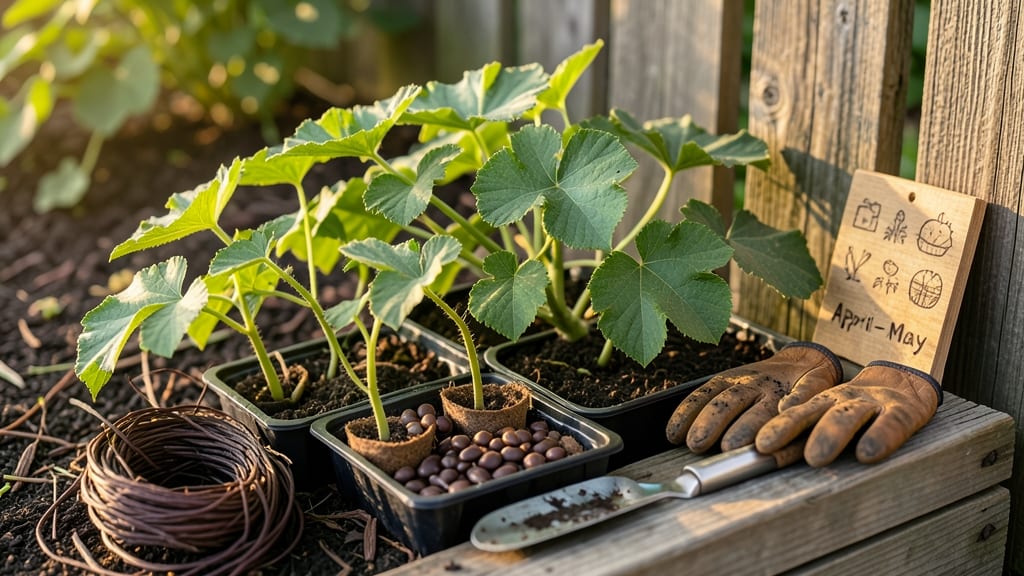
Planting your 🎃 pumpkins at the wrong time in Indiana can mean the difference between a bountiful harvest and a sad, wilted vine. With USDA Zone 6a frost dates that shift yearly, knowing the exact window—late April to early May—isn’t just helpful, it’s essential for success.
Most Indiana gardeners wait until after the last frost date (April 15), but soil temperature matters just as much. Your pumpkins need 60°F soil to sprout, and cold ground can stall growth for weeks—even if the air is warm.
I’ll show you how to check soil temp and adjust your planting schedule if Mother Nature throws a curveball.
You might think all pumpkins thrive on the same timeline, but fast-maturing varieties like ‘Jack Be Little’ can handle a late start, while traditional giants need every warm day counted. I’ll break down the best types for Indiana’s 165-day growing season and share my top tricks for beating unpredictable weather.
Ready to grow pumpkins that outshine your neighbors’? Let’s dive into the exact dates, soil prep secrets, and variety picks that’ll turn your Indiana garden into a 🎃 powerhouse this fall.
Indiana pumpkin planting dates by hardiness zone (5a-6b)
Getting your pumpkin seeds in the ground at the right time in Indiana means the difference between a bountiful fall harvest and wasted effort. Since Indiana spans USDA zones 5a-6b, your planting window shifts slightly depending on where you live—even just 30 miles apart can mean different frost dates.
The key is waiting until the soil temperature hits 60°F and all frost risk has passed, but not so late that your vines don’t mature before winter.
For most of Indiana, this means planting between mid-April and mid-May, but gardeners in northern zone 5a should wait until early May, while those in southern zone 6b can start as early as late April.
Using black plastic mulch can help warm cold soils faster, giving you a 2-week head start in cooler areas. Let’s break down the exact dates and strategies for each zone to ensure your pumpkins thrive.
⚠️ Critical Tip: Always check your local frost-free date (typically April 15 for most of Indiana) and add 2-3 weeks to that date for your planting window. The Indiana State Climate Office offers updated frost data—bookmark their site for real-time adjustments!
| Zone | Last Frost Date | Optimal Planting Window | Backup Late Start | Soil Temp Threshold | Days to Maturity |
|---|---|---|---|---|---|
| 5a (Northern IN) | May 1 | May 10–20 | June 1 (transplant seedlings) | 60°F+ | 90–100 days |
| 5b (Central IN) | April 25 | April 25–May 10 | May 20 (transplant) | 60°F+ | 85–95 days |
| 6a (Southern IN) | April 15 | April 15–May 5 | May 15 (transplant) | 60°F+ | 80–90 days |
| 6b (Extreme Southern IN) | April 1 | Late April–Early May | June 1 (transplant) | 60°F+ | 75–85 days |
If you’re planting seeds directly in the garden (the most common method for pumpkins), stick to the optimal planting window in the table above. However, if you’re starting seedlings indoors (a great strategy for zone 5a), transplant them outdoors 2-3 weeks after your last frost date.
For example, in zone 5a, that means transplanting around May 25—just be sure to harden off seedlings first to avoid shock.
For gardeners in zone 6b, you can even squeeze in a second planting of fast-maturing varieties like ‘Jack Be Little’ around June 1. These 75-day varieties can still produce pumpkins before the first frost if planted by early June, giving you a late-season harvest for carving or baking.
Just be prepared to protect seedlings with row covers if a late frost sneaks in.
How to adjust pumpkin planting for Indiana’s unpredictable weather
Indiana’s weather can throw curveballs—one day it’s 60°F and sunny, the next, a late frost threatens your pumpkin patch. The key to success? Flexibility. I’ve learned to adjust planting strategies based on soil temperature, frost predictions, and even heatwave warnings.
These tweaks can mean the difference between a bountiful harvest and wasted seeds.
Start by monitoring your local frost-free date, which typically falls between April 15-30 in Indiana. But don’t rely solely on averages—check the National Weather Service or local agricultural extensions for real-time updates.
If your soil stays below 60°F past early May, you’ll need to delay planting or use cold soil solutions like black plastic mulch.
⚠️ callout-warning
Never plant pumpkins before the last frost date—even hardy varieties like ‘Jack Be Little’ can’t survive below 32°F. Use frost cloth if seedlings emerge early, but remove it by daytime to avoid overheating. For Zone 5a, wait until May 10-15; Zone 6b can start April 25-May 1.
If your season starts late, consider transplanting seedlings instead of direct sowing. Start seeds indoors under grow lights 4-6 weeks before your target planting date. Harden them off for a week before transferring to the garden.
This method buys you 2-3 extra weeks of growth time—critical if Indiana’s unpredictable spring delays your outdoor planting.
For extended rainy seasons, prioritize well-draining soil and raised beds. Pumpkins hate soggy roots, which can lead to rot and powdery mildew. Amend your soil with compost and consider drip irrigation to keep moisture consistent without over-saturating the soil.
If downpours persist, mulch heavily with straw to prevent soil compaction.
Heatwaves can also derail your pumpkin patch. If temperatures soar above 90°F, provide shade cloth (30-50% shade) to protect young plants. Focus on deep watering in the early morning to keep roots cool. Choose heat-tolerant varieties like ‘Cinderella’ if your summer runs hot—these mature faster and handle stress better.
Finally, use succession planting to extend your harvest window. Plant a second batch of fast-maturing varieties (like ‘Small Sugar’) 2-3 weeks after your initial planting. This ensures you’ll have pumpkins ready for Halloween or Thanksgiving, even if Indiana’s early fall frost cuts your season short.
With these adjustments, you’ll turn Indiana’s weather quirks into opportunities, not obstacles.