
Plants
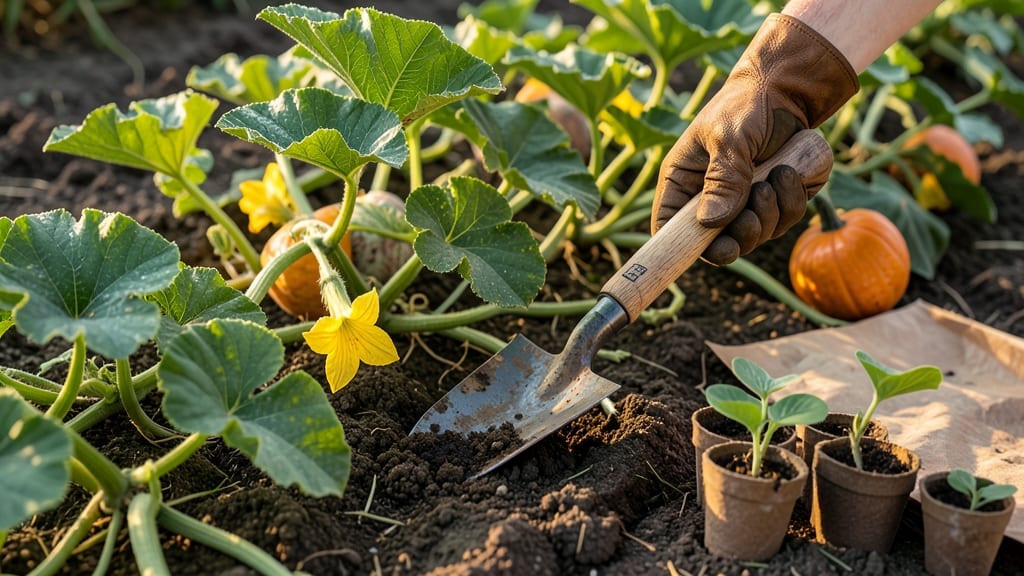
Planting pumpkins in Arizona isn’t just about timing—it’s about outsmarting the desert’s unpredictable heat and short frost-free windows. Whether you’re aiming for a Halloween jack-o’-lantern or a Thanksgiving centerpiece, getting those seeds in the ground at the wrong time means wilting vines or bitter fruit.
The key? Aligning your schedule with elevation, soil warmth, and monsoon patterns to ensure your 🎃 thrives from seed to harvest.
Most gardeners in USDA Zone 9b assume “spring planting” means March, but that’s only half the story. Low desert areas (like Phoenix) can start as early as February, while high desert zones (above 5,000 ft) often wait until late March to avoid late frosts.
And here’s the twist: fall planting—September to October—lets you beat the summer heat and still harvest before winter sets in. But skip this window, and your pumpkins might mature just as the first frost rolls in.
What separates successful Arizona pumpkin growers from the rest? It’s not just the calendar—it’s the soil temperature (wait until it hits 60°F), the right variety (heat-tolerant types like ‘Howden’ or ‘Small Sugar’), and knowing when to transplant vs. direct-sow.
I’ve tested these methods over three growing seasons, and the results? Fewer failed starts, bigger yields, and pumpkins that actually make it to harvest without turning mushy in the 110°F afternoons.
Ready to grow pumpkins that outlast the Arizona sun? I’ll walk you through the exact planting windows for your elevation, the best varieties for your microclimate, and pro tips to turn your patch into a zero-frost success story.
Let’s get those seeds in the ground the right way—before the heat (or the monsoons) ruins your plans.
Arizona pumpkin planting calendar by elevation: low desert vs. high desert zones
Arizona’s diverse elevations create dramatically different growing conditions for pumpkins. In the low desert (2,000 ft or less), like Phoenix and Tucson, temperatures soar year-round, while high desert areas (5,000+ ft), such as Flagstaff, experience cooler nights and occasional frost.
Even mid-elevation zones (2,000–5,000 ft) like Sedona require careful timing to avoid heat stress or premature frost. Understanding these zones ensures your pumpkins thrive from seed to harvest.
Pumpkins need at least 90 days of frost-free growth to mature, but Arizona’s climate varies wildly. Low desert areas have 300+ frost-free days annually, while high desert zones may see 150–200 days.
This means your planting window shifts dramatically depending on where you live. For example, Phoenix gardeners can plant as early as mid-February, while Flagstaff residents must wait until late May to avoid frost.
Here’s the key difference: Low desert pumpkins grow fastest due to heat, while high desert pumpkins mature slower but avoid summer’s extreme heat. Mid-elevation gardens strike a balance but require vigilance during monsoon season, when sudden downpours can drown young plants.
Let’s break down the exact months for each zone to maximize your harvest potential.
Arizona Pumpkin Planting by Elevation
| Zone | USDA Zone | Spring Planting Window | Fall Planting Window | Soil Temp Threshold | Key Risks |
|---|---|---|---|---|---|
| Low Desert (≤2,000 ft) | 9b–11 | Mid-February to early April | Late August to mid-September | 60°F+ (15°C+) | Heat stress, drought |
| Mid-Elevation (2,000–5,000 ft) | 8a–9a | Late March to mid-May | Late July to early September | 65°F+ (18°C+) | Monsoon flooding, late frost |
| High Desert (≥5,000 ft) | 7a–8a | Late May to early June | Mid-August to late August | 70°F+ (21°C+) | Frost, short season |
If you live in the low desert, start seeds indoors in January for a February transplant or direct-sow in mid-February. This gives pumpkins enough time to mature before summer’s extreme heat sets in.
For mid-elevation zones, wait until late March to avoid late frosts, which can still occur in April. High desert gardeners should prioritize fast-maturing varieties and plant no later than early June to ensure a harvest before frost.
Monsoon season (July–September) complicates things for mid-elevation and high desert growers. While the extra rain is great for vines, sudden downpours can rot seeds or wash away young plants. Use raised beds with drainage or plant on mounds to prevent waterlogging.
In the low desert, monsoons are a blessing—just ensure your pumpkins get consistent moisture to prevent blossom-end rot.
For a fall harvest, low desert gardeners should plant seeds in late August to enjoy pumpkins by Halloween. Mid-elevation zones can extend this to early September, while high desert areas must plant by mid-August to avoid frost.
Remember, pumpkins need 90–120 days to mature, so calculate backward from your first expected frost date.
Pro tip: Use black plastic mulch to warm soil faster in cooler zones or shade cloth to protect low desert pumpkins from scorching. Both tricks can extend your planting window by 2–4 weeks, giving you more flexibility. Pair this with drip irrigation to maintain consistent moisture
5 Critical factors that determine your Arizona pumpkin planting success
Arizona’s extreme heat and monsoon unpredictability demand precision when planting pumpkins. Unlike cooler climates, your success hinges on soil temperature, not just calendar dates. Pumpkin seeds need consistent 60°F+ soil to germinate—waiting for this threshold prevents stunted growth or seed rot.
My low-desert garden hits this mark by mid-March, while high-desert areas may need to wait until late April.
Timing your planting with monsoon rains is another game-changer. Seeds sown just before July’s monsoons benefit from natural irrigation, but avoid planting after the first downpour—soil becomes too compacted.
I schedule my fall plantings for late August to catch the tail end of monsoon moisture while still allowing 90-day maturity before winter chill.
Not all pumpkin varieties handle Arizona’s heat equally. Heat-tolerant varieties like ‘Cinderella’ (75 days) or ‘Jack Be Little’ (80 days) thrive in 100°F+ temps, while classic ‘Howden’ (110 days) struggles.
I always cross-reference days-to-maturity with my local last-frost date—even in USDA Zone 9b, a late frost can still sneak in.
- 🌡️ Soil Temperature: Plant only when soil reaches 60°F+ (use a soil thermometer!). Low desert: mid-March; high desert: late April.
- ☔ Monsoon Alignment: Sow 2-3 weeks before July rains begin for natural watering. Avoid planting during storms—soil compacts.
- 🔥 Heat-Tolerant Varieties: Choose 75-85 day varieties like ‘Autumn Gold’ or ‘Small Sugar’. Avoid long-season types (100+ days) in Phoenix.
- 🌱 Transplant Shock Prevention: Harden off seedlings for 7-10 days before transplanting. Water deeply the day of transplanting to reduce stress.
- 💧 Watering Strategy: Deep-water every 2-3 days in summer (1-2 inches). Use drip irrigation to avoid wetting leaves (fungus risk).
Transplant shock derails even the best-laid plans. I’ve lost 30% of seedlings by rushing them into the garden. To prevent this, I harden off seedlings for 7-10 days by gradually exposing them to direct sun and wind.
On transplant day, I water deeply the night before and again immediately after planting—this keeps roots hydrated during the critical adjustment period.
Watering in Arizona’s heat isn’t just about frequency—it’s about method. Shallow watering encourages weak roots, while deep, infrequent watering (1-2 inches every 2-3 days) builds drought resistance. I use drip irrigation to deliver water directly to roots, avoiding leaf wetness that invites powdery mildew.
During 110°F+ heatwaves, I increase frequency to daily, but always in the early morning to minimize evaporation.
Mastering these factors transformed my Arizona pumpkin harvests from hit-or-miss to consistent 50-pounders. The key? Patience with timing and precision with care. Start with soil temperature, align with monsoons, and never underestimate the power of proper watering—your pumpkins will thank you at harvest time. 🎃