
Companion Plants
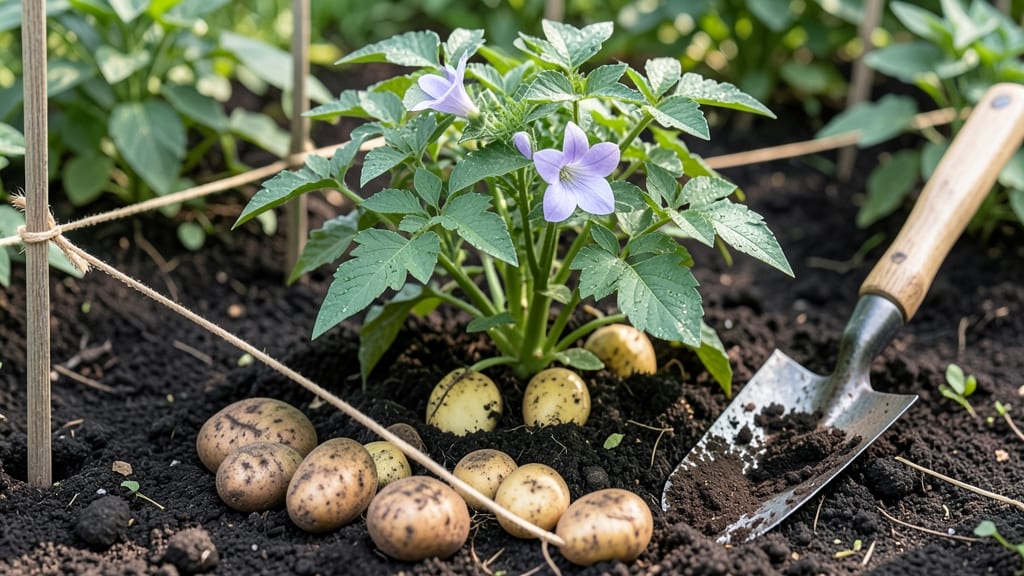
Timing when you plant potatoes in Pennsylvania isn’t just about following a calendar—it’s about dodging late frosts that can turn your hard work into a sad, shriveled mess.
With Zone 6a weather that swings from icy to balmy in a heartbeat, getting those spuds in the ground at the right moment makes all the difference between a bumper crop and a bust.
Here’s the truth: Planting too early risks frost damage, while waiting too long means your potatoes won’t mature before summer’s end.
The sweet spot? March to April, when soil temperatures hit 45°F—but that window shifts depending on whether you’re in Pittsburgh’s urban heat islands or rural farmland where cold snaps linger.
I’ll break down the exact months for your region, plus 3 foolproof tips to adjust for PA’s unpredictable spring—so you can skip the guesswork and start harvesting golden, crisp potatoes by July. Let’s get those seed potatoes in the dirt the right way.
Whether you’re a first-time gardener or a seasoned grower, this guide cuts through the confusion. You’ll learn how to read your local frost clock, pick the best varieties for your microclimate, and even salvage a late start with row covers. No more wasted seed potatoes—just a reliable harvest every time.
Best planting months for potatoes in Pennsylvania by hardiness Zone
Pennsylvania’s climate varies dramatically from the cool mountain zones of the north to the warmer valleys near Philadelphia. This means your optimal potato planting window could differ by weeks—even between neighboring counties. Understanding your USDA hardiness zone (5a-7a) is key to avoiding late frost damage or stunted growth.
Potatoes thrive when planted in cool soil (45°F/7°C) but need 60-90 frost-free days to mature. In PA’s Zone 5a (northwest mountains), you’ll need to plant earlier than in Zone 7a (southeastern plains).
Let’s break down the exact months for each zone, plus regional adjustments for Pittsburgh, Philadelphia, and rural areas.
🌱
| Zone & Region | Best Planting Window | Soil Temp Requirement | Last Frost Date | Recommended Varieties |
|---|---|---|---|---|
| Zone 5a (Erie, NW Mountains) | Late March to mid-April | 45°F (7°C) minimum | May 10–May 20 | Early: 'Red LaSoda', 'Yukon Gold'; Mid: 'Kennebec' |
| Zone 6a (Pittsburgh, State College) | Mid-April to early May | 45°F (7°C) minimum | May 1–May 15 | Early: 'Early Red'; Mid: 'Russet Burbank'; Late: 'Purple Viking' |
| Zone 6b (Central PA, Harrisburg) | Early April to mid-May | 45°F (7°C) minimum | April 25–May 10 | Early: 'Finnish Red'; Mid: 'Adirondack Red'; Late: 'German Butterball' |
| Zone 7a (Philadelphia, SE Plains) | Late March to early April (or September for fall crop) | 50°F (10°C) minimum | April 1–April 15 | Early: 'Early Rose'; Mid: 'Katahdin'; Late: 'Monona' |
| Rural Areas (Microclimates) | Adjust ±1 week based on elevation and wind exposure | 45–50°F (7–10°C) | Varies (check local frost data) | Local heirlooms or disease-resistant varieties |
In Zone 5a, like Erie or the Poconos, you’ll need to plant early varieties by late March to avoid frost damage. The soil must reach 45°F (7°C)—use a soil thermometer to confirm.
In Zone 7a, such as Philadelphia’s suburbs, you can start as early as late March, but fall planting (September) is also viable for a late harvest.
For Pittsburgh (Zone 6a), aim for mid-April planting. The city’s urban heat island effect can push last frost dates 3–5 days earlier than rural areas. If you’re in a high-elevation microclimate (e.g., Allegheny Mountains), plant 2 weeks earlier than your zone’s average.
🌿
Potatoes are cool-season crops, so timing isn’t just about frost—it’s also about soil temperature. Planting too early in cold, wet soil can rot seed potatoes. Wait until the ground is workable (not muddy) and at least 45°F (7°C).
In Zone 6b (Harrisburg), this often means waiting until early April, even if the calendar says March.
If you’re unsure about your last frost date, use the National Weather Service’s frost calendar or ask your local Cooperative Extension office. For example, Philadelphia’s last frost averages April 15, but Pittsburgh’s can be as late as May 1.
Planting 2–3 weeks before your average last frost gives your potatoes a head start.
💧
Pro tip: Use row covers or black plastic mulch to warm the soil faster in Zone 5a. This lets you plant 1
How to adjust planting time for PA’s unpredictable spring weather
Pennsylvania’s spring weather is famously fickle—one week of 60°F warmth can vanish overnight with a 28°F frost. If you’ve ever planted potatoes too early and watched them freeze or too late and risked blight, you know how critical timing is.
The key? Flexibility. I’ve learned to adjust planting dates based on soil temperature, frost forecasts, and even my neighborhood’s microclimate. Here’s how to outsmart Mother Nature.
Start by monitoring the frost clock—a simple tool that tracks historical frost dates in your area. For most of PA, the last average frost falls between April 15 and May 1, but urban areas like Philadelphia often see delays.
I use the National Weather Service’s frost prediction maps to pinpoint my local window. Pro tip: Add a 2-week buffer to account for unpredictable swings.
- 1 Soil Test First: Potatoes need 45°F soil to sprout. Use a soil thermometer—if it’s below 40°F, wait. Cold soil delays germination by weeks.
- 2 Frost Clock Method: Plant 2-3 weeks before your local last frost date. For PA’s Zone 6a, that’s mid-to-late March in rural areas, early April in cities.
- 3 Row Covers Ready: Keep floating row covers on hand. They add 4-8°F protection and let you plant 1-2 weeks earlier without frost risk.
For urban gardeners with limited space, container planting is a game-changer. I’ve had success growing potatoes in 5-gallon buckets on balconies, starting them indoors in late February and moving them outside after the last frost.
Use a lightweight potting mix and fill the container as the plants grow—this mimics hilling and prevents greening (the toxic compound that forms when potatoes see light).
If spring drags on and you’re still waiting for warm soil, consider late-season varieties like ‘Red LaSoda’ or ‘Kennebec’. These mature in 90-110 days, giving you a second chance to plant in early May if early attempts fail.
Just be prepared to harvest earlier to avoid blight as summer heats up. I’ve also had luck with straw mulch—it insulates the soil and keeps temperatures stable.
Don’t forget the 3-step risk assessment before planting:
- Check your local frost date (not the average—use recent years’ data).
- Test soil temperature for 3 consecutive days (morning readings are most accurate).
- Have row covers or a cold frame ready for unexpected frosts. This checklist saved my 2022 crop when a late April frost hit—my covered rows survived while neighbors’ plants wilted.
Remember, potatoes are resilient, but timing is everything. By combining soil science, local weather data, and a little flexibility, you can turn PA’s unpredictable spring into your advantage. Start early, stay adaptable, and soon you’ll be digging up golden, frost-free potatoes by July.