
Plants
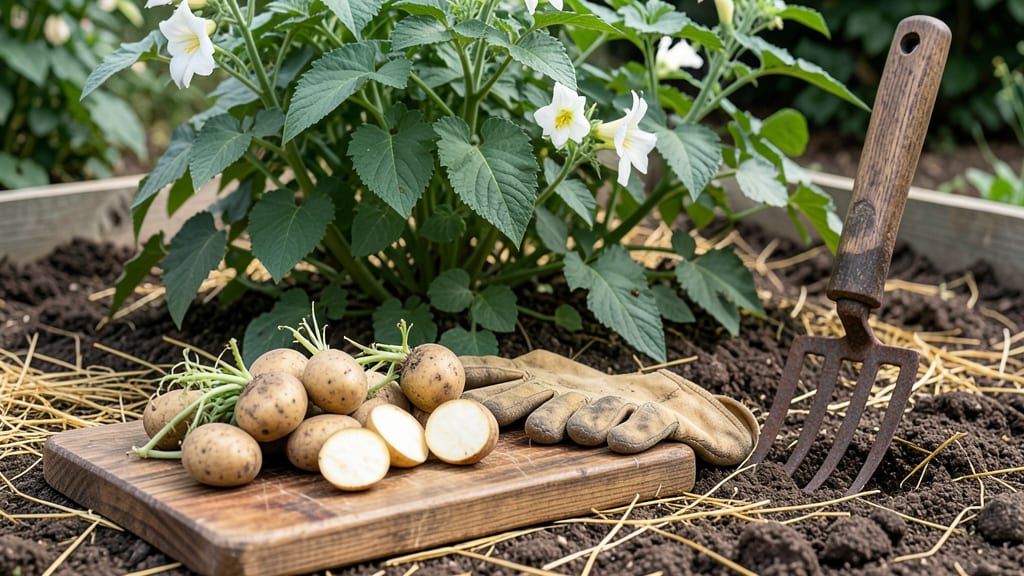
Planting potatoes in California isn’t one-size-fits-all—get the timing wrong, and you’ll either face frost damage or watch blight wipe out your crop before harvest.
The perfect window depends on whether you’re in coastal fog zones or the Central Valley’s baking summers, and even a few weeks off can mean the difference between a bumper harvest and a total loss.
If you’ve ever wondered why your neighbor’s 🥔 patch thrives while yours struggles, the answer likely lies in when (and how) they planted. Coastal gardeners can start as early as October, while inland growers should wait until February to avoid summer blight.
I’ll break down the exact schedule for your region—plus soil prep secrets and frost-free strategies—to ensure your potatoes mature just as the weather warms.
What most gardeners miss is that California’s microclimates create wildly different risks. Too early in the Central Valley? Your tubers will rot in the heat. Too late in coastal areas? Frost sneaks in before harvest.
The key is matching your variety to your zone—whether you’re growing 60-day reds or 120-day russets—and planting at the precise moment soil temps and daylight align for success.
Ready to turn your potato patch into a zero-frost, high-yield victory? Let’s dive into the regional planting calendar that’ll have you digging up perfect spuds—no guesswork, no wasted effort. Your harvest starts with the right timing, and I’ve got the game-changer details to make it happen.
California potato planting calendar by region (frost-free harvest guarantee)
California’s microclimates create a potato-growing puzzle—what works in coastal San Francisco fails in Bakersfield’s heat. The key? Planting timing tied to soil temperatures and frost risk zones.
Northern California’s cooler winters allow fall planting, while Southern California’s mild winters extend winter-to-spring windows. Let’s break it down by region to guarantee frost-free harvests every time.
Potatoes thrive when soil stays between 45°F–65°F. In Northern California, aim for October–March plantings—cooler temps mean slower growth but fewer blight risks. The Central Valley demands February–April timing to avoid summer heat stress, while Southern California can plant October–March with minimal frost concerns.
Each region also needs variety-specific adjustments for optimal harvests.
⚠️ Critical Note: Coastal areas (like San Diego) rarely see frost, but inland valleys (like Fresno) face sudden cold snaps. Always check your USDA zone (7b–11) and local frost dates before planting.
🌱 Comparison Table: California Potato Planting by Region
| Region | Best Planting Window | Soil Temp Requirement | Frost Risk | Ideal Varieties |
|---|---|---|---|---|
| Northern California (e.g., SF, Sacramento) | October–March | 45°F–60°F | Moderate (Dec–Jan) | Yukon Gold, Red LaSoda |
| Central Valley (e.g., Fresno, Bakersfield) | February–April | 50°F–65°F | Low (but heat stress risk) | Russet Burbank, Kennebec |
| Southern California (e.g., LA, San Diego) | October–March | 55°F–70°F | Minimal (rare frost) | Fingerling, Purple Viking |
For Northern California, start planting seed potatoes in late October for spring harvests (April–May). Use cold-hardy varieties like Red LaSoda (60–90 days to harvest) to avoid frost damage. In cooler microclimates (e.g., Eureka), extend planting to early March for late-summer crops.
In the Central Valley, heat tolerance is critical. Plant Russet Burbank (90–120 days) in February to harvest before summer blight hits. Avoid summer planting—soil temps above 75°F stunt tuber growth. Instead, opt for shade cloth if extending into early April.
Southern California growers enjoy the most flexibility. Plant fingerling potatoes (70–100 days) in October for winter harvests or March for spring crops. The mild climate allows year-round planting with proper soil prep, but prioritize well-draining soil to prevent rot in coastal areas.
Pro tip: Chit your seed potatoes (sprout in sunlight for 4–6 weeks) before planting. This 3–5 day head start ensures faster germination in cooler regions like Northern California. Skip this step in Southern California, where soil warms quickly.
Always test soil pH (aim for 5.0–6.5) and amend with compost before planting. Northern California soils often need organic matter to improve drainage, while Central Valley growers should focus on mulching to retain moisture during hot springs.
Harvest timing varies by variety and region. Early varieties (e.g., Red Norland) can be dug in 90 days, while russets need 120 days. In Southern California, spring-planted potatoes may be ready by June, while Northern California harvests stretch into July.
🌱 Key Takeaway: Match your potato variety, <
How to adjust planting dates for early vs. late potato varieties in California
California’s microclimates mean your potato variety and planting timing must align with local conditions. Early varieties like red potatoes (60–90 days) need cooler soil, while russets (90–120 days) thrive in warmer inland valleys.
Fingerlings (70–100 days) strike a balance—ideal for coastal foggy mornings or Central Valley heat. The key? Avoid late blight (common in summer) and frost damage (coastal areas).
For coastal California (e.g., San Francisco Bay Area), plant early varieties in October–November to harvest before summer heat. In the Central Valley (e.g., Fresno), wait until February–March to escape frost while avoiding blight.
Southern California’s mild winters allow year-round planting, but prioritize fall harvests for best flavor. Adjust based on soil temperature—potatoes need 45–55°F to sprout.
- 🌱 Red Potatoes (60–90 days): Plant October–November (coastal) or February (Central Valley) for early harvests. Ideal for foggy mornings—avoid summer heat.
- 🥔 Russets (90–120 days): Wait until March (coastal) or April (Central Valley) to maximize tuber size. Needs consistent moisture to prevent cracking.
- 🍟 Fingerlings (70–100 days): Plant November–January (coastal) or February (inland) for a spring harvest. Thrives in partial shade if temperatures exceed 80°F.
- 🌡️ Heat-Tolerant Tip: For Central Valley, use black plastic mulch to warm soil faster. Coastal growers should avoid summer planting—blight spreads rapidly in humidity.
- ❄️ Frost-Proofing: Coastal areas: Plant 4–6 weeks before last frost (usually mid-December). Inland: Use row covers if nights dip below 32°F.
Timing isn’t just about the calendar—it’s about soil readiness. Test your soil temperature with a thermometer before planting. Cooler coastal soils (e.g., Santa Barbara) may need black plastic mulch to reach 50°F.
Inland Central Valley soils warm faster; plant russets only after March 15 to avoid heat stress. Pro tip: Chit seed potatoes (expose to light for 2–3 weeks) to jumpstart growth in slow-starting climates.
Blight is the #1 enemy of late-season potatoes in California. To outsmart it, harvest early varieties first (e.g., red potatoes by June) and rotate crops annually. Central Valley growers, plant russets in raised beds for better drainage—waterlogged soil fuels blight.
Coastal gardeners? Space plants 12–18 inches apart to improve airflow and reduce humidity around foliage. A copper fungicide spray (applied preventatively) adds an extra layer of protection.
Don’t overlook harvest timing—it’s just as critical as planting. Early varieties (like Yukon Gold) are ready in 90 days, while russets take 120 days.
In Southern California, you can even plant a fall crop in August for a winter harvest (use shade cloth to protect from intense sun). For Central Valley, aim to harvest by July 1 to avoid blight. Coastal areas can extend harvests into August thanks to cooler temps.
Adjusting planting dates isn’t just about avoiding frost or blight—it’s about maximizing flavor and yield. Coastal potatoes (grown in foggy conditions) develop a nuttier taste, while Central Valley tubers grow larger due to longer daylight.
For year-round harvests, stagger plantings: early reds in October, fingerlings in December, and russets in March. This 3-phase approach ensures a steady supply while keeping your garden blight-free and frost-proof.