
Plants
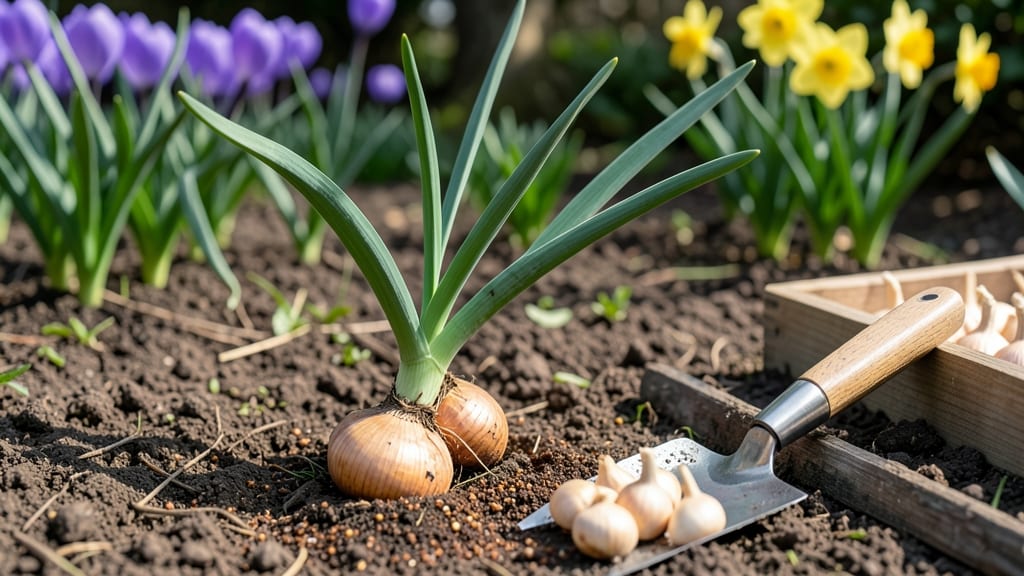
Planting onions in Missouri at the wrong time can turn your garden dreams into bitter disappointment—because those 🧅 bulbs won’t form properly.
The key to sweet, plump onions lies in understanding your USDA Zone 5b-6a climate and the exact planting windows that prevent bolting, whether you’re growing from sets, transplants, or seeds.
Most Missouri gardeners focus on spring planting, but fall is also a secret weapon for overwintering varieties. If you plant too early, your onions bolt (flower) instead of bulbing.
If you wait too long, they’ll struggle to mature before summer heat sets in. The right timing ensures strong roots and full-sized harvests by June or July.
I’ve tested the best methods for Missouri’s unpredictable weather, from soil prep to transplanting tricks. Whether you’re a first-time grower or a seasoned gardener, these exact months and variety-specific tips will help you avoid common mistakes and grow onions that rival store-bought—only better.
Ready to master the timing? Let’s break down the perfect planting schedule for your Missouri garden, so you can enjoy homegrown onions all season long without the stress.
Missouri onion planting calendar by variety: when to start for zero-bolt harvests
Missouri’s variable climate makes onion planting tricky—get the timing wrong, and you’ll face bolting (flowering) before bulb development. The key? Matching variety types (short-day, intermediate-day, long-day) to Missouri’s USDA Zones 5b-6a and planting at precise windows.
Short-day onions (like ‘Texas Early White’) thrive with 10-12 hours of daylight, while long-day varieties (like ‘Sweet Sandwich’) need 14+ hours to form bulbs.
Spring planting is critical for most gardeners—aim for 4-6 weeks before your last frost date (typically mid-April in most of Missouri). Fall planting is less common but works for overwintering varieties like ‘Candy’ onions, which handle Missouri’s winter chill beautifully.
The secret? Soil temperatures must stay above 40°F for consistent germination.
Here’s your Missouri onion planting calendar, broken down by variety type, method (sets/transplants/seeds), and exact months to avoid bolting:
For short-day onions (the best choice for Missouri), sets are the easiest method—just pop them into well-draining soil 1–2 inches deep, 2–3 inches apart, and 6 inches between rows.
Spring-planted sets yield bulbs in 90–120 days, while fall-planted sets mature the following year. Intermediate-day varieties like ‘Yellow Granex’ need a head start indoors to avoid bolting.
Missouri’s late spring frosts (even after April 15) can stall growth, so use row covers if temps dip below 32°F. Long-day onions are riskier here—they’ll bolt if daylight exceeds 14 hours, so save them for northern Missouri gardens or container growing with shade adjustments.
Pro tip: Mulch heavily (straw or grass clippings) to keep soil cool and moist.
Fall planting is a game-changer for Missouri gardeners—plant Candy onions or other overwintering varieties in September–October for a June harvest. These bulbs handle Missouri’s winter chill (down to -10°F) and emerge stronger in spring. Just avoid planting too early—soil must be 50°F+ for roots to establish before frost.
If you’re growing onions from seed, start indoors 8–10 weeks before your last frost (early January for Missouri). Transplant seedlings outdoors when they’re 4–6 inches tall and soil is 50°F+.
Seed-grown onions take longer to mature (120–150 days) but offer more variety choices. For green onions, you can plant them year-round—just harvest the greens before bulbs form.
Watch for bolting signs: tall, hollow stems with seed heads. This happens when onions experience heat stress (>85°F) or daylength shocks.
To prevent it, plant short-day varieties, use shade cloth in summer, and keep soil consistently moist (but not soggy). Missouri’s humid summers also increase fungal risks, so space plants properly and avoid overhead watering.
Harvest onions when
How to adjust onion planting for Missouri’s unpredictable weather: pro tips for success
Missouri’s unpredictable spring frosts and summer heatwaves can turn onion planting into a high-stakes game. The wrong timing means bolting (flowering instead of bulb development) or stunted growth. My strategy? Adapt planting windows and use protective layers to shield your crop from Mother Nature’s whims.
Start by understanding your last frost date—typically mid-April—but be ready to adjust for late surprises.
For spring planting, I always plant onion sets or seedlings in early March under row covers to protect against late frosts. This gives them a head start while keeping roots cool.
In fall, I opt for overwintering varieties planted in late September to establish roots before winter dormancy. The key is soil warmth—onions need 40-60°F soil temps to thrive.
⚠️ callout warning
Planting too early exposes onions to killing frosts (below 28°F). Use frost cloth or wait until soil temps stay above 40°F for 2+ weeks. For fall planting, aim for 6-8 weeks before first frost (mid-October) to allow bulb maturation before winter.
🌱 Pro Tip: Test soil temps with a soil thermometer—onions won’t germinate below 40°F.
My soil prep starts in fall with compost amendment to improve drainage—onions hate soggy roots. I mix in aged manure or compost to a depth of 12 inches, targeting a pH of 6.0-7.0.
Before planting, I add a balanced fertilizer (10-10-10) to encourage root growth. Mulching is non-negotiable: I use straw or shredded leaves to retain moisture and suppress weeds, especially during dry spells common in May-June.
For transplanting, I wait until soil temps hit 50°F and harden off seedlings for 7-10 days to prevent shock. Space onion sets 4-6 inches apart in rows 12-18 inches apart to allow airflow and reduce fungal diseases.
If heatwaves hit early (like Missouri’s infamous July 100°F+ days), I provide afternoon shade with lightweight shade cloth to prevent bolting.
Watering is an art in Missouri’s variable rainfall. I deep-water every 5-7 days (1 inch total) and avoid wetting foliage to prevent downy mildew. During drought years, I prioritize watering in the morning to reduce evaporation.
For fall-planted onions, I taper watering in October to encourage bulb maturation before winter.
Finally, I monitor for bolting signs—tall stems or seed heads—and remove affected plants immediately. If your onions flower prematurely, it’s often due to heat stress or poor soil fertility.
Adjust future plantings to cooler months or choose bolting-resistant varieties like ‘Texas Early White’ for Missouri’s climate. With these adjustments, even unpredictable weather won’t stop you from growing plump, sweet onions.