
Plants
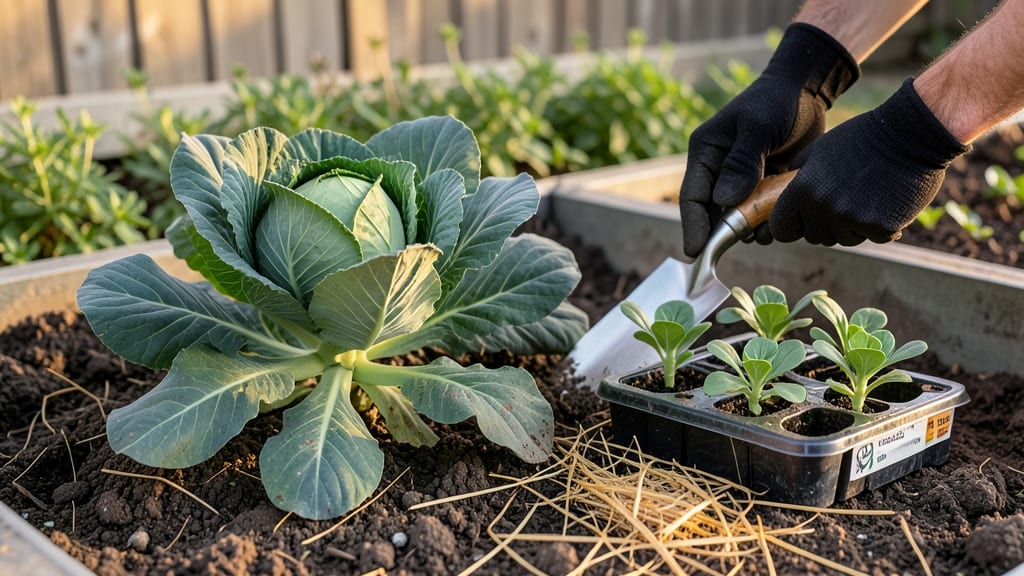
Planting cabbage in Georgia at the wrong time can turn your crisp, sweet harvests into bitter, bolted disappointments. The key to success lies in understanding your local frost dates and heat tolerance—because in zones 7b-8a, timing isn’t just about months, it’s about microclimates.
I’ve spent years growing 🥬 in Georgia’s varied regions, and the difference between a thriving crop and a failed one often comes down to two short windows: late February through early March for spring, and late July to early August for fall.
These periods align with soil warmth and cooling trends that prevent bolting—when cabbage flowers prematurely and ruins the head.
But here’s the catch: whether you’re in the cooler mountain regions of North Georgia or the warmer coastal areas of the South, your exact planting dates might shift by 2-3 weeks.
We’ll break down the county-specific schedules that ensure your cabbage matures just as Georgia’s heat or frost arrives—so you can harvest firm, flavorful heads from May to June and again in October and November.
Ready to avoid the common mistakes that lead to wasted efforts? Let’s dive into the planting calendar, variety choices, and soil prep secrets that’ll make your cabbage garden a Georgia success story—no bitter surprises included.
Georgia cabbage planting calendar by county: avoid bolting with perfect timing
Georgia's diverse climate means your cabbage planting schedule should vary by region to avoid heat-induced bolting. In North Georgia's cooler mountain zones (like Fannin or Rabun counties), you can start 6-8 weeks before last frost—typically late February to early March.
Meanwhile, South Georgia's warmer coastal areas (like Camden or Brantley counties) demand late July to early August plantings for fall harvests. Central Georgia (like Gwinnett or Oconee counties) falls in between with mid-March to early April spring plantings and late June to mid-July fall plantings.
Why does timing matter so much? Cabbage is a cool-season crop that bolts (goes to seed) when temperatures exceed 75°F for prolonged periods. Using the right planting windows ensures sweet, crisp heads instead of bitter, seed-stalk-filled disappointments. Let’s break down the exact county-specific planting calendar to maximize your harvest.
Here’s a quick reference for Georgia’s three main regions, including last frost dates, ideal planting months, and heat-tolerant varieties that thrive in each zone:
For North Georgia gardeners, like those in Dahlonega or Blairsville, focus on early spring plantings (late February) and late summer plantings (late July). These areas benefit from cooler temperatures, allowing you to grow heat-sensitive varieties like 'Golden Acre' without bolting.
Use black plastic mulch to warm the soil faster in early spring and shade cloth in late summer to protect plants from afternoon heat.
In Central Georgia, counties such as Athens or Madison have a shorter window for spring plantings due to earlier warming. Start seeds indoors by late January and transplant outdoors by mid-March. For fall, aim for late June plantings to ensure heads mature before first frost in mid-November.
Varieties like 'Red Express' are ideal here because they tolerate mild heat better than standard green cabbage.
If you're gardening in South Georgia, like in Savannah or Thomasville, your planting windows shift later due to warmer winters. Focus on late March to early April for spring and late July to early August for fall.
Here, shade cloth or partial shade is critical to prevent bolting. Choose heat-tolerant varieties like 'Cavolo Nero' (black cabbage), which handles 80°F+ temperatures better than traditional green cabbage.
Pro tip: Always harden off seedlings for 7-10 days before transplanting, regardless of region. This process acclimates plants to outdoor conditions and reduces transplant shock. For fall plantings, consider using row covers to extend the growing season by 2-3 weeks without bolting.
Remember, soil temperature matters just as much as air temperature. Cabbage seeds won’t germinate well in cold soil (below 40°F). Use a soil thermometer to ensure soil is at least 50°F before planting. In North Georgia, this might mean waiting until
How to extend Georgia’s cabbage growing season for fall and spring harvests
Georgia’s warm climate can make growing cabbage challenging, but with the right techniques, you can enjoy sweet, crisp heads in both spring and fall.
The key is to avoid bolting—when cabbage flowers prematurely due to heat stress—and extend your growing season using protective covers, succession planting, and heat-tolerant varieties. These methods let you harvest cabbage even when temperatures climb above 85°F.
For spring harvests, start seeds indoors 6-8 weeks before your last frost date (typically mid-March in most of Georgia). Transplant seedlings outdoors in late February to early March when soil temperatures drop below 75°F.
This timing ensures heads form before summer heat sets in. For fall harvests, focus on late July to early August plantings to allow heads to mature before first frost (usually mid-November).
🌱 5 Proven Techniques to Extend Georgia’s Cabbage Season
- 1. Use Row Covers – Lightweight floating row covers shield plants from heat stress and pests while allowing sunlight. Install covers during hot afternoons (12 PM–4 PM) to protect seedlings and young plants.
- 2. Plant Heat-Tolerant Varieties – Choose ‘Golden Acre’ or ‘Cavalo’ cabbage, which handle warmer temperatures better than standard varieties. These types stay crisp longer in Georgia’s summer heat.
- 3. Succession Planting – Sow seeds every 2 weeks from late July to early September for a staggered harvest. This ensures a continuous supply of fresh cabbage before frost.
- 4. Shade Cloth – Install 30–50% shade cloth over plants during peak summer months (June–August) to reduce soil and air temperatures by 10–15°F. This prevents bolting and keeps leaves tender and green.
- 5. Mulch Heavily – Apply 3–4 inches of straw or wood chips around plants to retain moisture and cool roots. Mulch also suppresses weeds, reducing competition for nutrients.
Another trick is to plant cabbage in raised beds filled with organic-rich soil. Raised beds warm up slower in spring and stay cooler in summer, giving plants a better chance to thrive.
Add compost or aged manure before planting to boost soil fertility, which helps cabbage resist stress and develop tighter heads.
If you’re growing cabbage for fall harvests, prioritize quick-maturing varieties like ‘Red Express’, which take only 55–60 days to reach maturity. These varieties are perfect for Georgia’s shortened growing season in late summer and early fall.
Pair them with drip irrigation to deliver consistent moisture without wetting leaves, which reduces disease risk.
Finally, don’t forget to harvest regularly to encourage new growth. Remove outer leaves as needed to prevent pests and improve air circulation. With these techniques, you can enjoy homegrown cabbage from spring through fall—even in Georgia’s hot climate! 🥬