
Plants
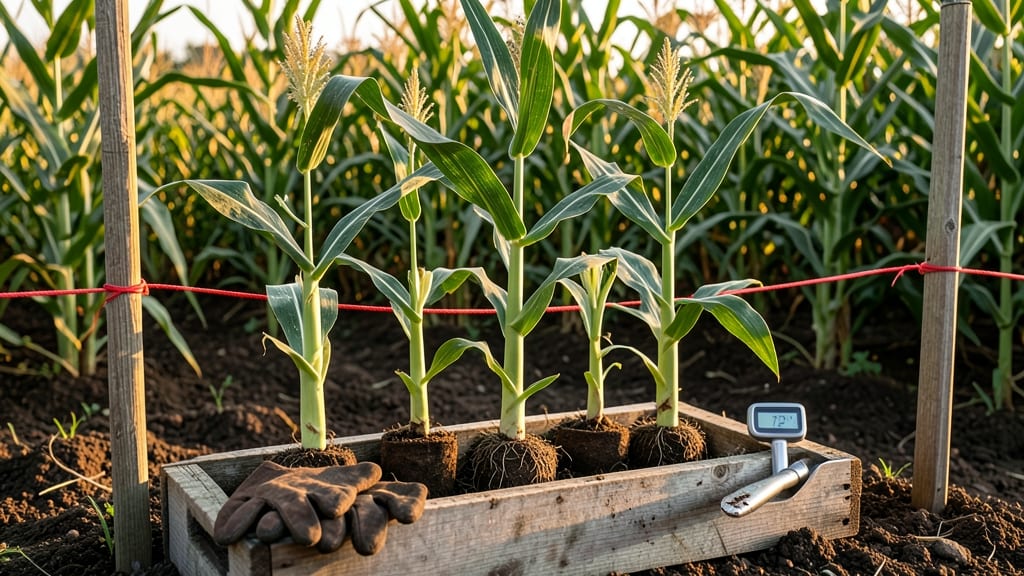
Planting corn in Missouri at the wrong time can mean the difference between a bountiful harvest and wasted seeds—especially when frost dates vary from late March in the south to early May in the north.
The sweet spot? Aiming for after soil hits 60°F and at least 2 weeks past your last frost date to give those tender seedlings the best start.
Missouri’s 5b-6b zones offer a 6-week window from mid-April to late May, but timing matters more than ever with unpredictable weather. Too early, and a late frost will nip your 🌽 in the bud; too late, and you risk stunted growth before harvest.
I’ll break down the exact dates by region so you can avoid these common pitfalls.
You might wonder if raised beds or containers change the game—spoiler, they do. Shorter seasons in northern Missouri? Early-maturing varieties and container gardening can extend your planting window. I’ll cover all the tricks, from soil prep to spacing, so you’re ready to plant with confidence.
Whether you’re a backyard gardener or scaling up, these Missouri-specific tips will help you maximize yields and avoid the heartbreak of failed crops. Let’s get those seeds in the ground at the perfect moment!
Missouri corn planting dates by hardiness Zone: exact timelines for success
Missouri’s corn planting season hinges on hardiness zones 5-7, where last frost dates can shift by 3+ weeks from northern to southern regions.
In Zone 5b (northwest Missouri), you’ll need to wait until mid-April for safe planting, while Zone 7a (southeast Missouri) gardeners can start as early as late March. The key? Soil temperatures must reach 50°F+ consistently for 7+ days before sowing.
Corn is a warm-season crop that hates cold snaps, so timing is everything. Plant too early, and frost will kill seedlings; too late, and ear development suffers from short daylight.
Missouri’s 165 frost-free days mean you’ll need to pair planting dates with maturity groups (early, mid, or late-season varieties) to avoid premature harvest stress or frost damage before kernels mature.
🌽 PRO TIP: Use a soil thermometer to confirm 50°F+ before planting. In cooler zones, opt for early-maturity varieties (60-75 days) to ensure harvest before first frost in October.
| Zone | Last Frost Date | Optimal Planting Window | Soil Temp Threshold | Maturity Group | Harvest Window |
|---|---|---|---|---|---|
| 5b (Northwest) | April 15 | April 20 - May 10 | 50°F+ (7+ days) | Early (60-75 days) | July 15 - Aug 15 |
| 6a (Central) | April 1 | April 10 - May 15 | 50°F+ (5+ days) | Mid (75-90 days) | July 30 - Sept 5 |
| 6b (South-Central) | March 25 | March 30 - May 20 | 50°F+ (5+ days) | Mid-Late (80-100 days) | Aug 1 - Sept 15 |
| 7a (Southeast) | March 15 | March 20 - May 31 | 50°F+ (3+ days) | Late (90-110 days) | Aug 15 - Oct 1 |
🌱 Note: Adjust for late frost years by delaying planting 2-3 weeks.
In Zone 5b, where late frosts are common, I recommend planting early-maturity varieties like Pioneer P1197AMX (72 days) to avoid frost damage before kernels fill out. These varieties also tolerate cooler soils, giving you a 10-14 day head start over standard hybrids.
For Zone 7a, where the growing season stretches longer, late-maturity varieties (90+ days) like Dekalb DKC63-33RIB thrive, allowing harvests into early October.
Missouri’s central regions (Zone 6a/6b) offer flexibility, but soil warming is critical. Use black plastic mulch
How to adjust planting dates for Missouri’s unpredictable weather patterns
Missouri’s weather can shift dramatically from year to year—one season might bring early frosts, while another brings scorching heat waves. These fluctuations force gardeners to think flexibly about corn planting dates.
If you’re used to sticking to a rigid schedule, you’ll need to adapt to protect your crop from late frosts, drought stress, or heat stress.
Corn is particularly sensitive to timing because it thrives in warm soil and air. Planting too early risks seed rot from cold soil, while planting too late can lead to poor pollination or stunted growth.
The key is to use soil warming techniques, cover crops, and seed treatments to create a buffer against Missouri’s unpredictable spring weather.
If frost threatens after planting, use row covers or black plastic mulch to warm soil by 10-15°F. For extra protection, plant early-maturing varieties (60-70 days to harvest) in raised beds, which warm faster than in-ground soil. Monitor soil temperatures with a probe—corn needs soil at 60°F+ for germination.
One of the most effective ways to adjust planting dates is by using cover crops like clover or ryegrass in fall. These crops improve soil structure and add organic matter, which helps soil warm up faster in spring.
In my garden, I’ve seen a 2-3 week earlier planting window when using cover crops compared to bare soil.
For drought-prone years, consider seed treatments like fungicide-coated seeds or mycorrhizal inoculants. These treatments help roots establish faster, giving young plants a survival advantage during dry spells. Pair this with mulching to retain moisture—straw or wood chips work well for corn.
If heat waves arrive early, opt for shorter-season varieties (70-80 days to maturity) to avoid kernel abortion. For example, ‘Silver Queen’ or ‘Peaches and Cream’ are reliable choices.
Plant in late May or early June if early-season risks are high, but be prepared for smaller yields compared to ideal planting times.
Finally, keep a planting journal to track soil temperatures, frost dates, and weather patterns in your specific area. Over time, you’ll spot trends and refine your planting strategy. Missouri’s climate may be unpredictable, but with these adjustments, you can still grow a healthy corn crop year after year.