
Plants
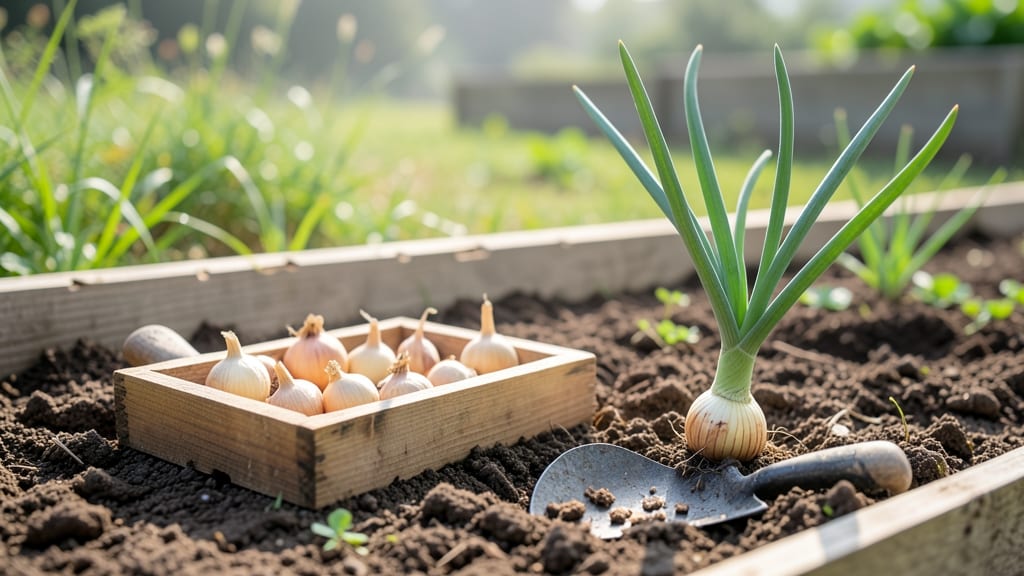
Planting onions in Georgia isn’t just about timing—it’s about avoiding the dreaded bolt before you even get a harvest. 🧅 The wrong window means bitter, seed-stalking onions instead of sweet, plump bulbs, and Georgia’s shifting climate zones (from Atlanta’s cooler hills to Savannah’s steamy coast) make this trickier than it seems.
Most gardeners in Zone 7b-8a swear by two planting windows: fall (October–November) and early spring (February–March), but the exact dates shift depending on whether you’re growing short-day varieties like ‘Candy’ or heat-tolerant types like ‘Texas Early White.’
Here’s the game-changer: In North Georgia, you’ll want to plant 4-6 weeks before the last frost (around March 15), while Coastal Plain gardeners can push fall plantings into December—just don’t let soil temps dip below 50°F.
I’ll break down the exact calendar by region, plus pro tips to prevent bolting so you can enjoy onions from April through October—no bitter surprises included.
Georgia onion planting calendar by climate Zone: exact months to avoid bolting
Georgia’s three distinct climate zones—North Georgia (Zone 7b), Central Georgia (Zone 8a), and South Georgia (Zone 8b/9a)—create wildly different planting windows for onions.
In Zone 7b, where winters are colder, you can start fall planting as early as September, while South Georgia’s Zone 9a gardeners can extend their season into December for green onions. The key? Avoid planting when soil temperatures exceed 75°F, which triggers bolting.
Let’s break down the exact months for each zone to ensure sweet, bolt-free harvests.
For bulb onions, the goal is to plant when days are cool but still growing.
In North Georgia, aim for late September to early October for fall crops, while Central Georgia can push planting to mid-October. South Georgia gardeners have the longest window, planting until November 1st.
Spring planting should begin as soon as soil is workable—typically February in the north and January in the south—to beat the heat.
Green onions, or scallions, are more forgiving. They tolerate warmer soils and can be sown every 2-3 weeks from late winter to early fall. In Zone 7b, start in February and continue through September, while Zone 8a/9a allows for January to October plantings.
Their quick growth (just 60-70 days) makes them ideal for succession planting.
🌱 Pro Tip: Use onion sets (small bulbs) for fall planting—they establish faster than seeds and reduce bolting risk. For spring, start with transplants or seeds in January-February under protective cover if nights are still chilly.
| Zone & Region | Fall Planting Window | Spring Planting Window | Best Varieties | Key Consideration |
|---|---|---|---|---|
| North Georgia (Zone 7b) | Late September–Early October | February–Early March | 'Candy', 'Texas Early White' | Soil must be <60°F; use mulch |
| Central Georgia (Zone 8a) | Mid-October–November 15 | January–Mid-February | 'Yellow Granex', 'Red Creole' | Avoid planting after Nov 15 |
| South Georgia (Zone 8b/9a) | October–December (green onions) | December–January | '1015Y Yellow', 'Texas Super Sweet' | Extend season with shade cloth |
✂️ Harvest Tip: All zones should harvest bulb onions by June 1st to avoid heat stress.
Bolting is the #1 enemy of Georgia onion growers, and it’s triggered by heat + long daylight hours. To prevent it, choose short-day onion varieties like 'Candy' or 'Texas Early White', which thrive in Georgia’s climate.
For spring plantings, use shade cloth (30-50%) during peak afternoon sun to keep soil temps below 75°F. In fall, focus on soil prep: amend beds with compost and aged manure to ensure nutrients are available when temps drop.
💧 Watering Strategy: Onions need 1-1.5 inches of water weekly, but reduce frequency as bulbs mature. In Zone 9a, where summers are hotter, water deeply every 3-4 days in spring to encourage root growth before the heat peaks.
Mulch with straw to retain moisture and suppress weeds, which compete for nutrients.
Succession planting is your secret weapon for year-round green onions. In Zone 7b, sow seeds every 3 weeks from February to September. In Zone 8a/9a, stretch this to January to October.
Green onions tolerate warmer soils than bulb onions, making them perfect for late-summer plantings when bulb varieties would bolt.
🌡️ Soil Temperature Matters: Use a soil thermometer to confirm temps are below 75°F before planting. In North Georgia, soil may still be too warm in late October, while South Georgia can plant until December 1st for green onions.
If temps rise unexpectedly, cover seedlings with lightweight row fabric until conditions stabilize.
For bulb onions, aim to harvest before June 1st in all zones. Look for yellowing tops and papery skins—these are your cues. Cure harvested onions in a dry, shaded area for 2-3 weeks to extend storage life.
In Zone 9a, where summers are longest, prioritize early-maturing varieties like 'Texas Early White' to beat the heat.
🌿 Final Checklist: Test soil pH (6.0-7.0 is ideal), amend with compost, and choose the right variety for your zone. With these timing tips, you’ll avoid bolting and enjoy sweet, homegrown onions from spring to fall.
How to choose onion varieties for Georgia’s heat and humidity: best types for zero-bolt success
Georgia’s heat and humidity can turn sweet onion dreams into bitter bolting nightmares—but the right variety selection makes all the difference. Not all onions are created equal: short-day, intermediate-day, and long-day types respond differently to Georgia’s 14-16 hour daylight in summer.
Choose wrong, and you’ll end up with seed stalks instead of bulbs. Choose right, and you’ll harvest plump, flavorful onions all season long.
First, know your USDA zone: North Georgia (Zone 7b) has cooler winters, while South Georgia (Zone 9a) stays warm year-round. Daylength sensitivity is key—short-day onions (like ‘Candy’) thrive in Georgia’s long summer days, while long-day types (like ‘Yellowstone’) bolt prematurely.
For zero-bolt success, focus on varieties bred for Southern climates or adaptable intermediate-day types.
🌱 Key Tip: Always check seed packets for “days to maturity” and “daylength requirements”. In Georgia, aim for varieties that mature in 90-120 days to avoid summer heat stress.
🌿 Top Onion Varieties for Georgia’s Climate
- 🔥 Heat-Tolerant Picks:
- ‘Texas Early White’ – 100-day maturity, thrives in 90°F+ heat
- ‘Red Creole’ – Sweet, spicy flavor; loves humid summers
- 🌅 Short-Day Winners (Best for South GA):
- ‘Candy’ – 110-day, storage-friendly, bolt-resistant
- ‘Ailsa Craig’ – Classic yellow, great for fall harvests
- 🌿 Intermediate-Day Versatiles (North/Central GA):
- ‘Sweet Sandwich’ – Mild, great for cooking, 90-day maturity
- ‘Texas Grano’ – Spicy, storage-ready, heat-adapted
- 🌱 Green Onion Staples (Year-Round):
- ‘Evergreen Hardy White’ – Cold-hardy, regrows after cutting
- ‘Southport White Globe’ – Bulb + green hybrid, bolt-resistant
⚠️ Pro Tip: For fall planting, choose intermediate-day varieties like ‘Texas Early White’—they’ll mature before summer heat triggers bolting.
For North Georgia gardeners (Zone 7b), prioritize intermediate-day onions like ‘Sweet Sandwich’ or ‘Texas Grano’. These handle cooler winters and longer growing seasons without bolting.
In Central Georgia (Zone 8a), you can push the envelope with short-day types like ‘Candy’, planting in late summer for a fall harvest.
South Georgia’s Zone 9a climate demands heat-tolerant, short-day varieties—think ‘Red Creole’ or ‘Texas Early White’. These varieties ignore long daylight hours and focus on bulb development. Succession planting is your friend here: Sow seeds every 2-3 weeks from February to August for a continuous harvest.
Don’t overlook green onions for Georgia’s humidity—they’re bolt-resistant and thrive in partial shade. Varieties like ‘Evergreen Hardy White’ regrow after cutting, giving you year-round greens with minimal effort. For bulb onions, always mulch heavily to keep soil temps stable and reduce stress.
Your Georgia onion success hinges on matching variety to daylight and planting time. Short-day onions = South GA’s salvation; intermediate-day = North GA’s best bet. And remember: shade cloth in spring can buy you extra weeks before bolting takes over.
With the right picks, you’ll enjoy homegrown onions from spring to fall—no bitter surprises included! 🌱