
Plants
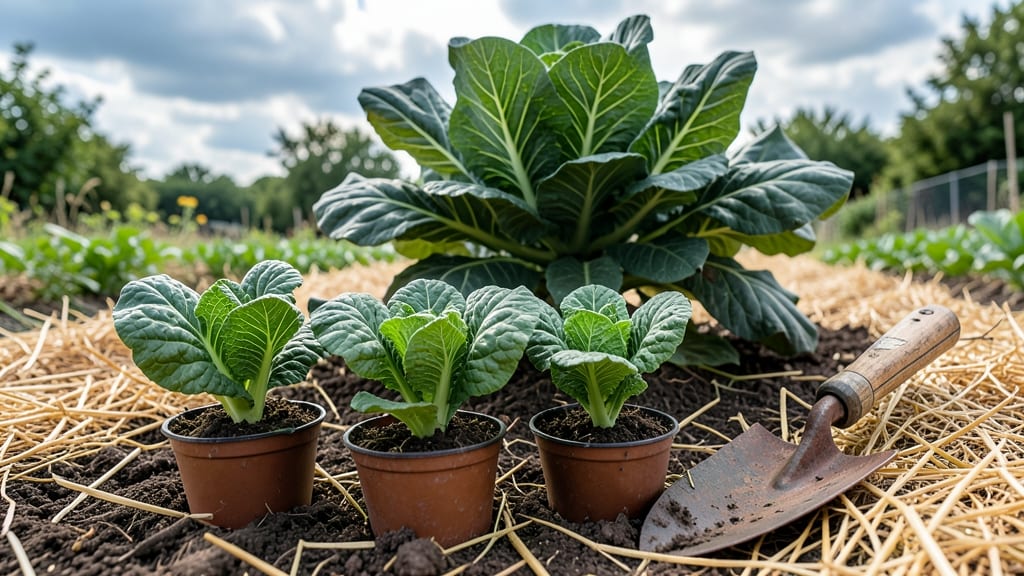
Planting collards in Georgia at the wrong time can turn your crisp, flavorful harvest into bitter, wilted disappointment—but timing these leafy greens right ensures a steady supply from spring through winter.
With Georgia’s 7b-8b climate, you’ve got two prime windows: early spring and late summer, each offering a different flavor profile and growth experience.
The key is understanding your region’s frost dates and heat tolerance. In the Piedmont and Mountains, cooler nights mean you’ll want to plant collards as soon as the soil warms in March, while Coastal Plain gardeners can start even earlier.
But don’t wait too long—summer’s relentless heat will stress young plants, so late August is your last chance for a fall crop.
What makes collards unique in Georgia is their ability to thrive after frost, sweetening in cold weather. By planting in late summer, you’ll enjoy tender leaves through winter, while spring plantings give you an early harvest before the heat sets in.
Whether you’re a first-timer or a seasoned gardener, these heat zone-specific tips will help you avoid common pitfalls and maximize your harvest.
Ready to grow collards that taste as good as they look? Let’s break down the exact months, soil prep, and care tips tailored to your Georgia zone—so you can enjoy homegrown greens year-round without the guesswork.
Georgia heat zones explained: best planting months for collards by region
Georgia’s diverse climate—from the humid Coastal Plain to the milder Appalachian foothills—creates distinct microclimates that affect when you plant collards. The state spans USDA Zones 7b through 8b, with frost dates varying by region.
Understanding these zones helps you avoid bitter leaves or stunted growth by planting at the right time for your specific area.
Collards thrive in cool weather but can handle light frost, making them ideal for Georgia’s fall and early spring planting windows. The key is to time your planting so the plants mature before severe cold or summer heat stress sets in.
Below, we break down the best months for each of Georgia’s major heat zones and how to use the USDA Plant Hardiness Zone Map to plan your schedule.
| Heat Zone | Last Frost Date | First Frost Date | Best Planting Window | Harvest Window | Key Considerations |
|---|---|---|---|---|---|
| Zone 7b (North GA Mountains) | March 20 - April 5 | November 5 - November 20 | March 15 - April 15 (spring) or August 1 - September 15 (fall) | April - May (spring) or October - November (fall) | Shorter growing season; prioritize fall planting for winter harvest. |
| Zone 8a (Piedmont Region) | March 10 - April 1 | November 10 - November 25 | March 1 - April 10 (spring) or August 15 - September 30 (fall) | April - June (spring) or September - December (fall) | Longer frost-free season; can plant twice yearly for continuous harvest. |
| Zone 8b (Coastal Plain) | February 28 - March 15 | November 20 - December 5 | February 15 - March 31 (spring) or August 1 - October 15 (fall) | March - June (spring) or September - January (fall) | Longest growing season; can extend harvest into winter with row covers. |
To determine your exact planting window, start by locating your Georgia county on the USDA Plant Hardiness Zone Map.
Most of the state falls into Zone 7b or 8a, but coastal areas like Savannah and Brunswick are in Zone 8b, allowing for earlier spring and later fall plantings.
For example, in Zone 8b, you can plant collards as early as late February for a spring harvest or as late as mid-October for a winter crop.
For spring planting, aim to sow seeds 2-3 weeks before your last frost date. In Zone 7b, this means planting by mid-March, while Zone 8b gardeners can start as early as late February.
Collards take 45-60 days to mature, so time your planting to ensure they’re ready to harvest before summer heat causes bolting or bitterness.
Fall planting is often more successful in Georgia because it avoids the intense summer heat that can stress collards. Plant seeds 60-90 days before your first frost date to ensure a harvest before cold sets in.
In Zone 7b, this means planting by mid-August, while Zone 8b gardeners can extend planting until mid-October for a late-winter harvest. A light frost actually sweetenens collard leaves, making fall-winter crops a favorite among Southern gardeners.
If you’re unsure about your frost dates, check local Cooperative Extension Service resources or use a frost calendar for your county. For instance, the University of Georgia Extension provides detailed frost data and planting guides tailored to Georgia’s regions.
These resources can help you adjust your schedule based on microclimates within your area, such as urban heat islands or protected microclimates near lakes or buildings.
One common mistake is planting collards too early in spring, which can lead to bolting (premature flowering) or frost damage. To avoid this, start seeds indoors 4-6 weeks before your last frost date and transplant seedlings outdoors when soil temperatures reach
Step-by-step collard planting calendar for Georgia’s fall and spring seasons
Georgia’s collard greens thrive in both spring and fall, but the timing depends on your USDA heat zone. In Zone 7b-8b, you’ll get two harvests: one in early spring and another in late fall.
Planting too early risks frost damage, while waiting too long can lead to bolting or bitter leaves. Let’s break down the exact steps for each season to ensure a sweet, frost-free harvest.
For spring planting, start 2-3 weeks before your last frost date (typically mid-March in most of Georgia). For fall planting, sow seeds 60-90 days before your first frost (usually late August to early September). This schedule aligns with Georgia’s 210-240 frost-free days, maximizing your growing window.
📅 Spring Planting (March - April)
- Soil Prep: Test soil pH (aim for 6.0-7.0). Amend with compost or aged manure for nutrients.
- Seed vs. Transplant: Direct-sow seeds ½ inch deep, 1-2 inches apart, or transplant 4-6 week old seedlings.
- Planting Time: After last frost date (mid-March in most zones). Space rows 18-24 inches apart.
- Companion Plants: Pair with bush beans, radishes, or onions to deter pests.
- Watering: Keep soil consistently moist (1 inch per week). Mulch to retain moisture.
- Harvest: Begin harvesting outer leaves when 6-12 inches long (typically 60 days after planting).
🍂 Fall Planting (August - September)
- Soil Prep: Replenish nutrients with balanced fertilizer (10-10-10). Test pH again if spring soil was depleted.
- Seed vs. Transplant: Direct-sow seeds ½ inch deep or transplant 6-8 week old seedlings for stronger starts.
- Planting Time: 60-90 days before first frost (late August to early September). Avoid planting too early—heat stress can stunt growth.
- Companion Plants: Use kale, turnips, or lettuce to share space and repel pests.
- Watering: Reduce frequency as temps drop (aim for 1 inch every 4-5 days). Protect from heavy rains to prevent rot.
- Harvest: Leaves sweeten after first light frost. Harvest younger leaves for tenderness or let mature for heartier greens.
In Georgia’s Piedmont region, aim for April 1-15 for spring and September 1-15 for fall. Coastal areas can extend fall planting to early October due to milder winters. For mountain zones (Zone 7b), shift spring planting to late March and fall to mid-August to avoid early frosts.
Pro tip: Use row covers in late fall to extend your harvest into December. This protects tender leaves from light frosts while allowing them to develop their signature sweetness.
Always harvest outer leaves first to keep the plant producing—this method ensures a steady supply from spring through winter.
Your collard greens will reward you with crisp, flavorful leaves if you follow this timeline. Whether you’re a beginner gardener or a seasoned pro, these steps will help you avoid common pitfalls like bolting or pest damage.
Happy planting—and enjoy those homegrown collards in soups, sautés, or straight from the garden! 🥬