
Plants
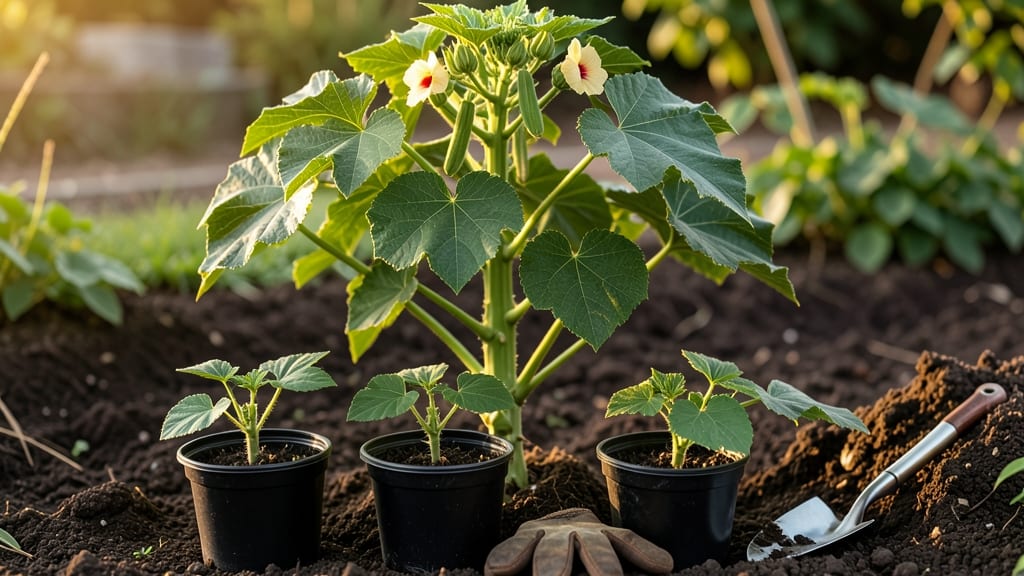
Planting okra in Oklahoma isn't just about waiting for spring—it's about playing the heat zone lottery, where one wrong move could leave your 🌱 plants wilting before they even sprout.
The key to success lies in those critical weeks between last frost and scorching summer, when soil temperatures finally hit that sweet spot for germination.
If you've ever watched your okra seedlings struggle through a late frost or bolt into flower too fast, you know timing matters more than most gardeners realize. Oklahoma's USDA Zones 6b-7a demand precision, especially when dealing with a crop that thrives in warmth but can't handle even light chills.
I've grown okra here for years, and let me tell you—getting those seeds in the ground between April 15 and May 31 makes all the difference.
That window gives your plants enough time to establish roots before the real heat arrives, while avoiding the frost risks that can wipe out young plants overnight.
What you'll discover here are the exact strategies I use to guarantee strong, productive okra plants—from soil warming tricks to variety selection that actually performs in Oklahoma's climate. Let's make sure your garden becomes the talk of the neighborhood, not another cautionary tale.
Oklahoma’s best okra planting windows by heat Zone (with exact dates)
Okra thrives in Oklahoma’s heat, but planting too early can mean frost damage while waiting too long shrinks your harvest window. The key is aligning your okra planting dates with your USDA heat zone, soil warmth, and last-frost averages.
In Zone 6b (northern OK), you’ll plant later than Zone 8a (southwest OK), where summer heat arrives early. Let’s break down the exact windows for each zone and city-specific adjustments.
Okra is a warm-season annual that won’t tolerate frost—even young seedlings can die if temperatures dip below 50°F (10°C). Most varieties, like 'Clemson Spineless' and 'Emerald', need soil temperatures of at least 60°F (15°C) to germinate.
Use a soil thermometer to confirm warmth before planting; cool soils delay germination by weeks.
Here’s your okra planting calendar for Oklahoma, tailored by heat zone and city. These dates reflect historical last-frost data, but always monitor your local weather forecasts for adjustments.
| USDA Zone | Last Frost Date | Planting Window | Soil Temp Requirement | City Examples |
|---|---|---|---|---|
| 6b (North) | April 15 | May 1–May 15 | ≥60°F (15°C) | Tulsa, Oklahoma City |
| 7a (Central) | March 30 | April 15–April 30 | ≥60°F (15°C) | Lawton, Stillwater |
| 7b (South) | March 15 | April 1–April 15 | ≥60°F (15°C) | Oklahoma City (south), Ardmore |
| 8a (Southwest) | February 28 | March 15–March 31 | ≥65°F (18°C) | Altus, Lawton (south) |
In Zone 6b, where Tulsa and northern Oklahoma City lie, wait until mid-May to plant okra. This zone’s later last-frost date (around April 15) means soil may still be too cool for germination. Use black plastic mulch to warm the soil faster if you’re eager to start earlier.
For Zone 7a (central OK), including Lawton and Stillwater, you can plant as early as mid-April. The soil warms quickly here, but a late frost can still sneak in—so have row covers ready.
If you plant in late March, use a cold frame or greenhouse to protect seedlings until the threat of frost passes.
Southern Oklahoma’s Zone 7b and Zone 8a offer the earliest planting windows. In Zone 8a (southwest OK), you can start okra seeds indoors by late February and transplant outdoors by mid-March.
The heat arrives early here, so choose heat-tolerant varieties like 'Cajun Delight' to maximize your harvest before summer’s peak.
Okra’s 60–75-day harvest window means timing matters—plant too late, and your pods will mature just as temperatures drop. In Zone 6b, aim for a July harvest, while Zone 8a gardeners can enjoy okra from June through September. Succession plant every 2–3 weeks to stretch your harvest.
Pro tip: If your soil is slow to warm, try direct-seeding in late May instead of transplanting seedlings. Okra seedlings handle transplant shock poorly, and cooler soils delay recovery. For container growing, use black pots to absorb heat and plant in full sun.
🌱
How to time okra planting for Oklahoma’s unpredictable weather (pro tips)
Oklahoma’s spring weather can swing from icy mornings to 90-degree heat in a single week, making okra planting a delicate balancing act. Unlike frost-sensitive veggies, okra loves heat—it won’t germinate below 60°F soil but thrives when temps hit 85°F+.
The key is extending your window using smart techniques while avoiding early-planting pitfalls that stunt growth.
Your biggest enemies are late frosts and cold soil, both of which can kill seedlings before they establish roots. Even if your last frost date is April 15, don’t rush—okra seeds need warm soil to sprout reliably.
I’ve seen three years of failed plantings because I ignored this rule. Here’s how to get it right every time.
- 1. Wait for soil warmth—use a soil thermometer (60°F+ at 2" deep) before planting. Cold soil delays germination by weeks.
- 2. Warm soil fast with black plastic mulch (2-3 weeks before planting) to raise temps by 10-15°F. Remove it after planting to prevent overheating.
- 3. Use row covers (floating fabric) for 2-3 weeks post-planting if nights dip below 55°F. Remove covers once plants are 6" tall to avoid humidity buildup.
- 4. Avoid transplant shock—direct-sow seeds ½" deep in hills (3 seeds per mound, 18" apart). Transplants struggle in Oklahoma’s heat and take 2 weeks longer to recover.
- 5. Plant in stages—sow half your seeds every 2 weeks through June to stagger harvests. This ensures pods don’t all mature at once when summer storms hit.
One mistake I see often is planting too early and then overwatering to compensate for cool soil. Okra hates soggy roots—water deeply but infrequently (1-2 inches per week) once established. If your seedlings look yellow or leggy, it’s a sign they’re struggling with cold stress, not drought.
For late-season extensions, try succession planting in August if your area hasn’t hit 90°F+ yet. Okra can handle light frosts (down to 30°F) if mature, but pods will turn woody. Harvest before the first hard freeze (usually November 15 in Oklahoma) to enjoy tender pods.
Pro tip: Mark your calendar for May 15 as your absolute latest for direct-sown okra in most of Oklahoma. After that, focus on container growing or greenhouse starts to push your season into early summer.
With these tricks, you’ll avoid the heartbreak of watching your crop bolt or rot before it pays off.