
Plants
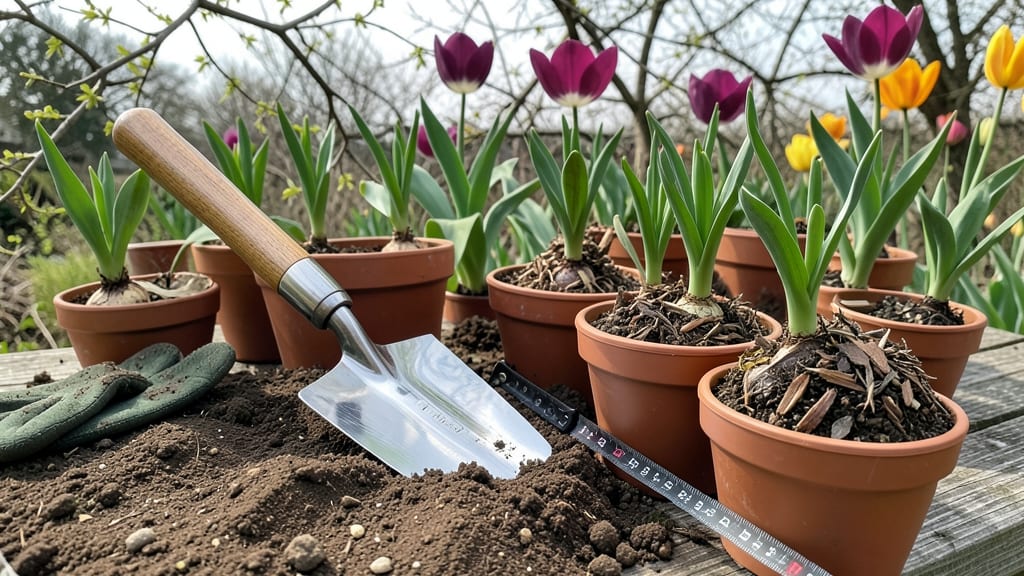
Planting potted tulips 🌷 in the ground at the wrong time can mean the difference between vibrant spring blooms and wasted effort. The key is timing—too early, and frost will damage the bulbs; too late, and they won’t establish strong roots before winter sets in.
Most gardeners in USDA Zone 6a (like me!) know the ideal window is September through November or March to April, but the exact moment depends on soil temperature and local frost dates.
I’ll walk you through how to check your soil’s readiness and avoid common mistakes that kill tulips before they even bloom.
Whether you’re transplanting bulbs in fall for next spring’s flowers or giving them a head start in early spring, the right timing ensures your tulips thrive.
You’ll learn how to prepare the soil, when to plant based on your region, and how to care for them afterward—so you can enjoy those cheerful blooms without the guesswork.
Ready to get your potted tulips in the ground the right way? Let’s break it down step by step, so you can skip the trial-and-error and plant with confidence.
Ideal soil temperature for planting potted tulips (frost survival guide)
Planting potted tulips too early risks frost damage to their delicate bulbs, while waiting too long delays vibrant spring blooms. The sweet spot for transplanting is when soil temperatures consistently reach 40-50°F—warm enough for root establishment but cool enough to prevent premature growth.
This 6-week window before your region's last frost date is critical for bulb survival and next year's flowers.
Soil temperature matters more than air temperature because bulbs need stable warmth to initiate root growth without sprouting too soon. Cold soil can stunt roots, while overly warm soil may trigger early shoots that frost will kill.
Use a soil thermometer (inserted 4-6 inches deep) to check daily—this is the only reliable way to gauge readiness, especially in USDA Zones 3-7 where frost lingers.
Here’s how to interpret your readings: 40-45°F signals it’s time to prep the garden bed (amend soil, loosen dirt), while 45-50°F is the optimal planting window.
In Zone 8+, you can plant as early as February, but in Zone 5 or colder, wait until late April or early May—after the average last frost date.
| USDA Zone | Soil Temp Range (°F) | Planting Window | Frost Risk |
|---|---|---|---|
| 3-4 | 45-50°F | Late May - Early June | High (late frost) |
| 5-6 | 40-48°F | Mid-April - Late May | Moderate |
| 7-8 | 42-50°F | February - March | Low (mild winters) |
| 9-10 | 45-55°F | January - February | None (warm climates) |
If you’re unsure about your local frost dates, check the National Weather Service or your state agricultural extension for historical averages. For example, in New York (Zone 5), aim for May 1-15, while California (Zone 9) can plant as early as January.
Pro tip: Hardened potted tulips (those with green shoots but no blooms) can tolerate slightly cooler soil (38-42°F), but dormant bulbs need the 40-50°F range.
Regional microclimates add complexity—urban areas often stay 3-5°F warmer than rural zones due to concrete heat retention. Test soil in full sun vs. shade; sunny spots warm up 5°F faster than shaded beds.
If your soil runs colder than 40°F, delay planting until temperatures stabilize, even if your neighbor’s tulips are already in the ground.
Another trick is to acclimate potted tulips for 3-5 days before planting by moving them outdoors during the day and back inside at night. This hardens the bulbs and reduces transplant shock.
Avoid planting on windy days or when rain is forecasted—wet soil compacts easily, making it hard for roots to establish.
Once planted, mulch heavily (3-4 inches of straw or shredded leaves) to insulate soil and maintain consistent temperatures. This is especially critical in Zone 4 or colder, where ground freezes overnight.
Mulch also suppresses weeds and retains moisture, which is vital for root development during the first 4-6 weeks after transplanting.
Watch for early signs of stress like yellowing leaves or stunted growth, which may signal soil was too cold or too warm at planting.
If you’re in Zone 6 and planted in April but see no new growth by May 15, the bulbs may have roten from frost—dig one up to check. Healthy roots should be white and firm; mushy or dark roots mean it’s too late for that season.
For repeating blooms, mark your planting date and stick to the same schedule yearly. Tulips thrive with consistency, so if you planted in early May last year and got beautiful blooms, aim for the same soil temperature window again.
Over time, you’ll refine your timing based on your microclimate—just keep that soil thermometer handy!
Step-by-step planting process for potted tulips (with common mistakes to avoid)
Once you’ve confirmed your soil temperature is between 40-50°F, it’s time to transplant your potted tulips. Start by selecting a sunny spot with well-draining soil—tulips hate soggy roots. The key is to mimic their natural environment while avoiding common transplant shock that kills 60% of bulbs if done wrong.
Gently remove your tulip bulbs from their pots, being careful not to damage the delicate roots. Shake off excess soil to inspect for rot or pests. Healthy bulbs should feel firm and have white roots about 1-2 inches long.
If roots are sparse, soak the bulb in lukewarm water for 30 minutes to encourage growth before planting.
Dig holes 6-8 inches deep—this ensures the bulb’s base sits 4-6 inches underground, protecting it from frost. Space holes 4-6 inches apart for dwarf varieties or 8-12 inches apart for standard tulips. Use a trowel to loosen the soil at the bottom of each hole for better drainage.
When can you plant potted tulips in the ground? The last safe window is 6 weeks before your first frost. After that, bulbs won’t establish roots in time, leading to stunted growth or no flowers. Check your USDA zone—Zone 5? Aim for September 15-October 15. Zone 8? November 1-December 15. Use local frost charts if unsure!
Amend the soil with compost or aged manure to improve fertility. Mix in a handful of bone meal (5-10-10 NPK) for phosphorus, which boosts root and flower development. Place the bulb in the hole with the pointy end up—this isn’t just folklore; tulips grow this way naturally.
Cover with soil and pat gently to remove air pockets.
Water deeply right after planting to settle the soil and encourage root contact. Use a soaker hose or watering can to deliver 1 inch of water per week, avoiding the foliage to prevent fungal diseases.
Mulch with 2-3 inches of straw or shredded leaves to retain moisture and insulate bulbs from temperature swings.
Avoid these common mistakes that kill tulips: overwatering (causes rot), planting too shallow (frost damage), or fertilizing after June 1st (encourages leafy growth over blooms). After planting, resist the urge to fertilize—wait until early spring when shoots emerge.
With proper care, your tulips will reward you with bold blooms next spring!