
Plants
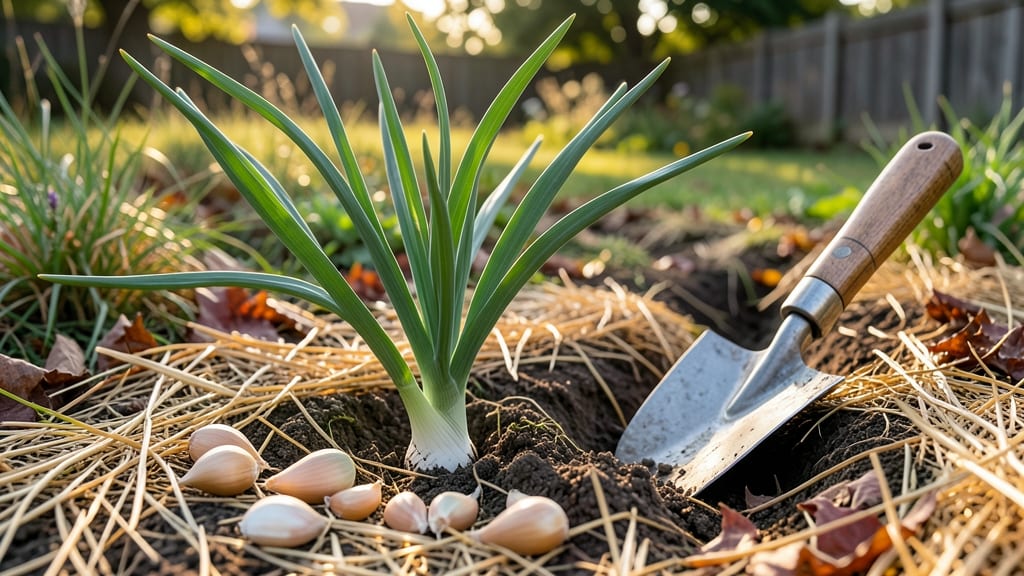
Planting garlic 🧄 in Wisconsin isn’t just about picking a random fall day—it’s about catching that narrow window when soil temperatures drop to 40-50°F, signaling the perfect moment for reliable germination. Get it wrong, and you might end up with weak sprouts or worse, no harvest at all.
As someone who’s tested different planting times in USDA Zone 5a, I’ve learned that timing is everything. Whether you’re a seasoned gardener or just starting, knowing when to tuck those cloves into the soil can mean the difference between a thriving crop and wasted effort.
Let’s break down the science—and the secrets—to planting garlic at the ideal moment.
Most Wisconsin gardeners swear by mid-to-late fall planting, but there’s more to it than just the calendar. Soil temperature, frost dates, and even your local microclimate play a role.
I’ll walk you through the exact conditions to watch for, so you can plant with confidence and avoid common mistakes that trip up even experienced growers.
Ready to grow plump, flavorful garlic next summer? Stick around—I’ll share the step-by-step timing, soil prep, and care tips that’ll set you up for success, no matter where you are in the Badger State.
Wisconsin garlic planting timeline by soil temperature and climate zones
Wisconsin’s climate zones 3-5 create unique challenges for garlic growers. Unlike warmer regions, timing here hinges on soil temperature and frost dates. Plant too early, and your cloves rot; too late, and they won’t establish roots before winter.
The sweet spot? 40-50°F soil—when garlic roots can grow but tops stay dormant.
Most Wisconsin gardeners focus on fall planting (October-November) for hardneck varieties, but spring planting (March-April) works for softnecks. The key difference? Fall-planted garlic overwinters, while spring-planted bulbs grow through summer. Let’s break down the exact windows based on your zone and soil conditions.
📌 Pro Tip: Use a soil thermometer to confirm temps—this is the #1 way to avoid planting mistakes. Aim for 40°F for 10+ days before your first hard frost. In Zone 4 (Madison, Milwaukee), this typically means mid-October; in colder Zone 3 (Minocqua, Hayward), shift to late September.
Spring planting is riskier in Wisconsin because garlic grows faster in cooler weather. If you miss the fall window, plant in early spring (March) when soil hits 40°F consistently. However, spring-planted garlic often yields smaller bulbs because it lacks the cold stratification that fall planting provides.
For Zone 4 and 5 gardeners (like those in Madison or Milwaukee), the October-November window is ideal. Use this rule: plant when your lawn stops growing—this usually aligns with soil temps of 45-50°F.
In colder Zone 3 areas, start earlier to ensure roots establish before the ground freezes solid.
Ever wonder why some gardeners swear by December planting? It’s a gamble! Only attempt this if your soil stays above 32°F and you’ve got 6+ inches of mulch.
Most Wisconsin experts recommend sticking to the fall window for reliable results, especially for hardneck varieties that need cold exposure to form cloves.
Don’t let unpredictable Wisconsin weather throw you off. Check the National Weather Service’s frost predictions for your area, then count backward 4-6 weeks to determine your planting date. For example, if your first frost is November 15, aim to plant by October 1 in Zone 4.
🌱 Key Insight: Soil temperature matters more than air temperature. A 50°F day with 35°F soil won’t work—garlic roots need warm earth to grow. Use a soil thermometer (only $10!) to avoid guessing. Pro tip: Morning readings are most accurate after overnight cooling.
If you’re new to garlic growing, start with hardneck varieties in fall—they’re Wisconsin’s best performers. For Zone 5 gardeners (like those in Janesville), you can even squeeze in a second planting in December if temps stay mild. Just monitor soil temps closely and add extra mulch to insulate the cloves.
Remember: No two Wisconsin winters are alike. Use these guidelines as a starting point, but stay flexible. If an early freeze hits, delay planting until soil warms again. The goal? Establish roots before dormancy—that’s how you grow plump, flavorful bulbs next summer. 🌿
Step-by-step guide to planting garlic in Wisconsin’s fall vs. spring
Wisconsin’s cool climate makes fall the golden window for planting hardneck garlic, but spring planting is possible for softneck varieties. The key? Soil temperatures between 40-50°F and proper spacing to prevent rot.
Let’s break it down by season so you can choose the method that fits your garden schedule.
For fall planting, Wisconsin gardeners should aim for mid-October to early November—about 4-6 weeks before the first hard frost. This gives cloves time to root before winter dormancy.
Spring planting, on the other hand, requires early March to mid-April, as soon as soil is workable but before temperatures rise above 60°F.
🌱 Step-by-Step Planting Guide
- 1. Choose Your Variety
- Fall: Hardneck (e.g., German White, Music) for Wisconsin’s winters
- Spring: Softneck (e.g., Silverskin, Artichoke) for storage
- 2. Prep the Soil
- Test pH 6.0-7.0; amend with compost or aged manure
- Loosen soil 8-12 inches deep for root growth
- 3. Break Apart Bulbs
- Separate 4-6 cloves per bulb; keep papery skins intact
- Discard small or damaged cloves—they won’t thrive
- 4. Plant at the Right Depth
- Fall: 2 inches deep, pointy end up
- Spring: 1.5 inches deep (soil warms faster)
- 5. Space for Success
- Rows: 6 inches apart
- Cloves: 4-6 inches apart in rows
- 6. Mulch Heavily
- Apply 4-6 inches of straw after planting
- Add 2 more inches in winter for insulation
- 7. Water Wisely
- Fall: Water deeply after planting, then bi-weekly
- Spring: Keep soil moist but not soggy until shoots emerge
For fall-planted garlic, mulching is non-negotiable—it protects cloves from freeze-thaw cycles and prevents heaving. In spring-planted beds, focus on consistent moisture until shoots break ground, as dry soil can stunt early growth.
Both methods yield plump bulbs, but fall planting typically produces larger hardnecks suited to Wisconsin’s climate.
Pro tip: Mark your garlic rows with stakes or flags to avoid accidentally disturbing them in early spring. Garlic is slow to emerge, so patience is key—don’t dig up clumps looking for sprouts before late April!
Whether you plant in fall or spring, Wisconsin’s short growing season demands precision. Hardneck varieties thrive in our winters, while softnecks offer longer storage—choose based on your goals. With the right timing and care, you’ll harvest bold, flavorful bulbs ready for braiding or cooking by mid-summer. 🌱