
Plants
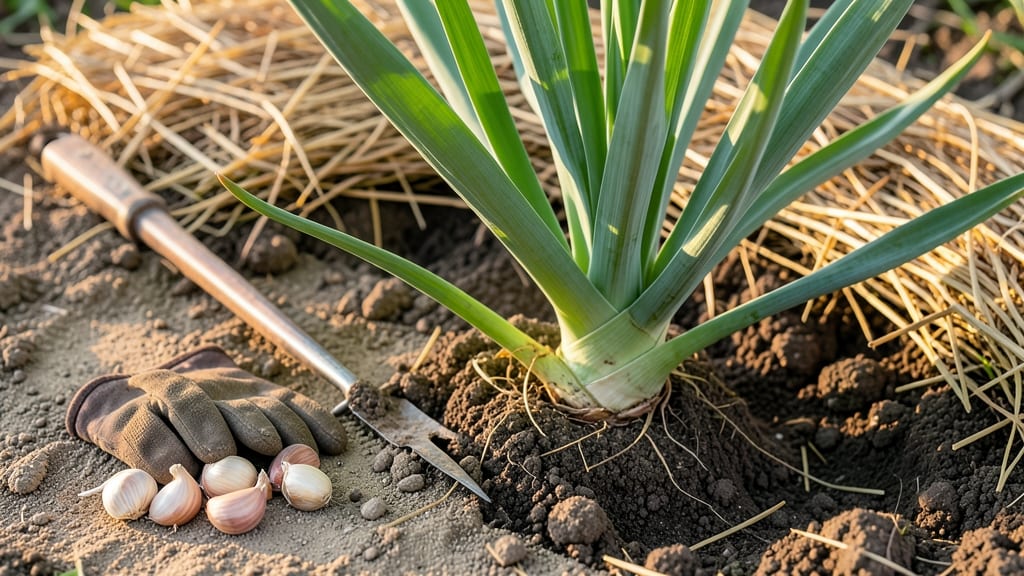
Planting garlic in Georgia at the wrong time can mean the difference between a bountiful harvest and wasted effort—especially when choosing between hardneck and softneck varieties.
With the state's mild winters and USDA zones 7b-8a, timing isn't just about the calendar but about matching your garlic type to Georgia's unique climate patterns.
Most gardeners know fall planting is ideal, but did you realize October-November is the sweet spot for hardneck varieties like 'Music,' while softnecks like 'Silver White' can handle a slightly later window?
The key is getting those cloves in the ground 4-6 weeks before the first frost, which typically hits mid-November in Georgia.
What you might not know is that spring planting in February works too—for softnecks that prefer warmer soil. But here's the catch: hardnecks planted in spring rarely reach their full potential in Georgia's heat. We'll break down exactly when to plant each type for maximum bulb size and flavor.
Whether you're a first-time grower or a seasoned gardener, these region-specific tips will help you avoid common mistakes and get the most out of your garlic crop. Let's dive into the perfect planting schedule for Georgia's climate.
Georgia’s perfect garlic planting windows: hardneck vs softneck schedule
Georgia’s USDA Zones 7b-8a create the perfect conditions for growing garlic, but timing is everything. The difference between hardneck and softneck varieties means you can’t just follow a one-size-fits-all calendar.
Hardneck thrives in cooler winters, while softneck prefers milder conditions—both need precise timing to develop those plump bulbs we all crave.
In Georgia, the ideal planting window for fall garlic is October through mid-November, while spring planting should happen in early February. Missing these windows can lead to stunted growth or even total crop failure.
The key is understanding how soil temperatures and frost dates interact with each variety’s needs.
Here’s the critical difference: Hardneck garlic needs a cold period (below 40°F) to form bulbs, while softneck garlic doesn’t require it but still benefits from a cool winter.
Georgia’s mild winters make softneck a safer bet for beginners, but hardneck varieties like ‘Music’ produce those prized floral stems and larger bulbs.
Your harvest window is just as critical—aim for April to May for softneck and June for hardneck. This 6-8 week pre-harvest period is when bulbs mature, and rushing or delaying harvest can ruin your crop.
Let’s break down the exact planting schedule for each type so you can maximize your yield.
| Variety | Best Planting Window | Soil Temperature | Frost Requirement | Harvest Time | Georgia-Specific Tip |
|---|---|---|---|---|---|
| Hardneck Garlic | October 15–November 15 | 40–60°F | Needs 60+ days below 40°F | June (late) | Plant ‘Music’ or ‘German White’ for best results in Piedmont regions. |
| Softneck Garlic | September 15–November 1 or February 1–15 | 50–70°F | No strict frost requirement | April–May | Ideal for Coastal Georgia; try ‘Silver White’ or ‘Artichoke’. |
| Spring Planting (Both) | Early February | 55–65°F | Minimal frost impact | July–August | Smaller bulbs but great for green garlic harvests. |
If you’re in Northern Georgia (Zone 7b), aim for earlier planting dates (late September to mid-October) to ensure garlic gets enough chill hours.
In Southern Georgia (Zone 8a), you can push planting to mid-November or even early December, but avoid planting after December 1st—the soil may not stay cool enough for proper bulb formation.
For hardneck garlic, the 60+ days below 40°F is non-negotiable. If your winter is too mild (like in Coastal Georgia), hardneck bulbs may not form correctly. That’s why many gardeners in those areas opt for softneck varieties, which store longer and don’t require extreme cold.
Test your soil temperature with a soil thermometer—ideal planting temps are 40–60°F for hardneck and 50–70°F for softneck.
Adjusting for early or late frosts is another Georgia-specific challenge. If a hard freeze hits before your garlic is established, mulch with straw or leaves to protect cloves. Conversely, if your winter is unusually warm, hardneck garlic may not bulb properly.
In such cases, consider spring planting (early February) for smaller but still usable harvests by summer.
Remember, the 6-8 week pre-harvest window is when bulbs swell and mature. For softneck garlic, this means harvesting in April or
5 Critical factors that determine your planting success in Georgia
Georgia’s diverse microclimates—from the Piedmont’s rolling hills to the Coastal Plain’s humidity—mean your garlic’s success hinges on more than just picking a month. The right soil prep, frost timing, and variety choice can turn a mediocre harvest into a flavorful bounty.
Let’s break down the 5 non-negotiables for planting garlic that thrives in Georgia’s unique growing zones.
First, soil temperature is your secret weapon. Garlic cloves need 40–50°F soil to sprout reliably, which in Georgia typically aligns with October–November in most regions. But if you’re in Coastal Georgia, where winters are milder, you might push planting into early December.
Use a soil thermometer to confirm—planting too early in warm soil can trigger premature sprouting and weak roots.
Second, frost dates aren’t just about avoiding damage—they’re about growth cycles. Hardneck garlic needs 60–80 days of cold to form bulbs, while softneck varieties tolerate shorter chills.
In USDA Zone 7b–8a, aim to plant 6–8 weeks before your first hard frost (usually mid-November in the Piedmont, later in the South). Miss this window, and you risk small, pithy bulbs or no harvest at all.
🌱 5 Critical Factors for Georgia Garlic Success
- 1. Soil Prep: Test pH (6.0–7.0) and amend with compost for drainage. Georgia’s clay-heavy soils need organic matter to prevent rot.
- 2. Frost Timing: Plant 6–8 weeks before first frost (hardneck) or 4–6 weeks (softneck) for optimal bulb size.
- 3. Variety Match: Hardneck (e.g., ‘Music’) for cold zones; softneck (e.g., ‘Silver White’) for milder Coastal areas.
- 4. Microclimate: Piedmont = cooler, longer winters; Coastal = shorter chills, later planting.
- 5. Mulching: Apply 4–6 inches of straw after planting to insulate roots and suppress weeds.
Third, variety selection is a game-changer. Hardneck garlic (like ‘Music’ or ‘German Red’) thrives in Georgia’s cooler Piedmont region and produces larger, flavorful bulbs with scape shoots (edible greens!).
But in Coastal Georgia’s Zone 8a, where winters are milder, softneck varieties (like ‘Silver White’ or ‘Artichoke’) store better and yield more cloves per bulb. Always check the days-to-maturity label—Georgia’s 240–300-day growing season fits most varieties, but spring-planted garlic rarely matures fully.
Fourth, microclimate matters. A garden in Athens (Piedmont) might get 20°F nights, while Savannah (Coastal) rarely drops below 30°F. Adjust your planting date by 2–4 weeks later in Coastal areas to avoid overwintering stress.
Elevation also plays a role: Mountain regions (like Blue Ridge) can plant earlier (September), while lowland valleys should wait until November.
Finally, pre-planting prep sets the stage for success. Break bulbs into individual cloves (keep the papery skin on), soak in water for 2 hours to soften, then plant 2 inches deep with the pointy end up.
Space cloves 4–6 inches apart in rows 12 inches apart for airflow. After planting, mulch heavily to protect roots from freeze-thaw cycles—a critical step in Georgia’s unpredictable winters.
With these 5 factors locked in, your Georgia garlic will go from clove to bulb with minimal fuss. Start with soil prep, time your planting to frost dates, and choose varieties that match your local climate.
Before you know it, you’ll be harvesting plump, flavorful bulbs that put store-bought to shame. Happy planting! 🧄