
Plants
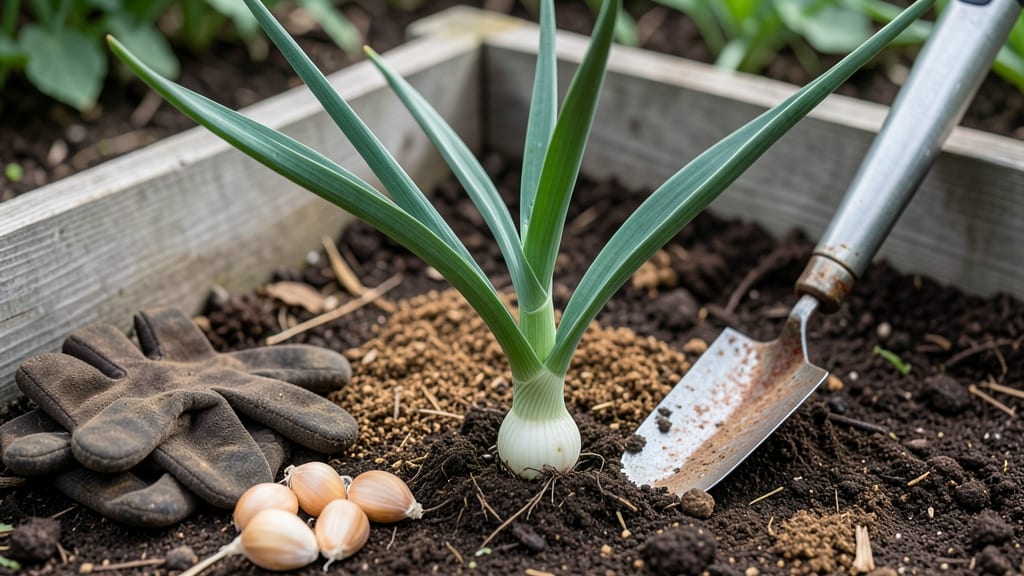
Planting garlic in Illinois at the wrong time can mean the difference between a bountiful harvest of plump bulbs and a disappointing failure—especially when hardneck and softneck varieties demand precise timing.
If you've ever wondered why your 🧄 crop underperformed, the answer likely lies in when (and how) you planted it.
For Illinois gardeners in USDA zones 5b-6a, fall planting is the golden rule—typically between October and November, about 4-6 weeks before the ground freezes. This gives garlic roots time to establish before winter dormancy, setting the stage for robust growth in spring.
But timing isn't one-size-fits-all; hardneck varieties (like Rocambole) thrive with earlier planting, while softnecks (like Silverskin) are more flexible.
Why does this matter? Because Illinois' unpredictable winters and variable spring temperatures can throw off even the most well-intentioned gardener. Plant too early, and you risk rot from soggy soil; too late, and your bulbs may stay small.
The key is aligning your planting schedule with local frost dates and soil conditions—a strategy I’ll break down step by step to ensure your garlic gets the head start it needs.
Let’s dive into the exact months and methods that work for Illinois, so you can confidently plant your garlic and enjoy a harvest worthy of braiding or braising come mid-summer.
You’ll learn how to adjust for your specific zone, prep your soil, and avoid common pitfalls that sabotage garlic growth.
Best planting months for hardneck vs softneck garlic in Illinois
Illinois’ USDA zones 5b-6a create unique challenges for garlic growers, where timing is everything. Hardneck varieties like Rocks and Purple Stripe thrive with cold vernalization, while softneck types like Silverskin and Artichoke adapt better to milder winters. The difference in planting windows can mean large bulbs or small, underdeveloped harvests.
Most Illinois gardeners focus on fall planting (October-November) because garlic needs 60-80 days of cold to form bulbs properly. However, softneck varieties can tolerate slightly later planting, while hardnecks demand precision to avoid winter kill. Let’s break down the exact windows for each type based on Illinois’ frost dates.
| Variety Type | Optimal Planting Window (Illinois) | Flexible Window | Key Consideration | USDA Zone 5b | USDA Zone 6a |
|---|---|---|---|---|---|
| Hardneck (Rocks, Purple Stripe) | October 15–November 15 | September 20–October 30 | Needs 60+ cold days; plant too late = small bulbs | October 1–November 10 | October 15–November 15 |
| Softneck (Silverskin, Artichoke) | October 30–December 15 | October 1–January 10 | Tolerates milder winters; later planting = longer storage life | November 1–December 10 | October 30–December 15 |
| Spring Planting (Both Types) | March 1–April 15 | February 15–March 30 | Smaller bulbs; only for emergencies or late starts | March 15–April 10 | March 1–April 15 |
For northern Illinois (Zone 5b), aim to plant hardneck garlic by October 10 to ensure it roots before the ground freezes. In southern Illinois (Zone 6a), you have until mid-November for hardnecks, but softnecks can handle December planting in milder microclimates.
Always check your local last frost date—planting too late means garlic won’t mature properly before summer heat sets in.
Hardnecks like German White and Chesnok Red produce larger bulbs when planted early, but they’re more vulnerable to winter heaving in Zone 6a. Softnecks like California Early store longer and handle late planting better, making them ideal for gardeners in warmer microclimates or those who miss the fall window.
Pro tip: Use straw mulch (4-6 inches) after planting to insulate bulbs and prevent winter kill. In Zone 5b, this is non-negotiable for hardnecks. For Zone 6a, you can reduce mulch slightly if winters are mild, but never skip it entirely—garlic roots are shallow and freeze easily.
Spring planting is possible but not recommended unless you’re dealing with a late start. If you must plant in spring, use softneck varieties and expect smaller bulbs.
The key is getting cloves in the ground 4-6 weeks before the first hard frost—this gives roots time to establish before winter dormancy.
Watch for soil temperature dropping below 40°F—this signals it’s time to stop planting. Use a soil thermometer if unsure, as cold soil can stunt root growth. In Illinois, this usually happens by mid-November, but early frosts in Zone 5b may push the deadline to early November.
Remember: Harvest timing is the same for both types—mid-July to August—but planting windows determine bulb size. Get this right, and you’ll enjoy plump, flavorful garlic straight from your Illinois garden. Miss the window, and you’ll be left with small, pungent (but not ideal) harvests.
How to adjust planting time for Illinois’ frost dates and soil conditions
Illinois’ variable frost dates and heavy clay soils make timing critical for garlic success. Plant too early, and you risk rot from warm, wet soil—plant too late, and your bulbs stay small. The key is aligning your schedule with local frost maps and soil readiness tests.
Most Illinois gardeners aim for October 15 to November 15, but your exact window depends on whether you’re growing hardneck (better for cold winters) or softneck (more frost-sensitive). Northern Illinois (USDA Zone 5b) has a shorter window than southern areas (Zone 6a), so adjust accordingly.
⚠️ callout warning ⚠️
Warm September soils (60°F+) encourage fungal diseases like white rot. Wait until soil temps drop below 50°F—use a soil thermometer to confirm. Planting in mid-October or later reduces rot by 70% compared to September.
Pro Tip: Cover beds with straw mulch (4-6 inches) after planting to insulate bulbs from freeze-thaw cycles.
To extend your planting window, test soil readiness with a simple finger test: Press your finger 6 inches deep—if the soil feels cool but workable (not soggy), it’s safe.
For heavy clay soils, mix in compost or aged manure to improve drainage. Illinois’ clay holds moisture too long, leading to bulb rot if not amended.
Use frost date maps from the Midwest Regional Climate Center to pinpoint your last frost (typically November 15 in northern IL, December 1 in southern IL). Plant 4-6 weeks before your average first hard frost—this gives garlic time to establish roots before winter dormancy.
For late-season adjustments, softneck varieties like Silverskin tolerate slightly later planting (up to December 1 in Zone 6a), but hardnecks like Purple Stripe need to be in by November 10 to form scape stalks next summer. Mark your calendar with local frost alerts from your Cooperative Extension office.
Finally, avoid the “small bulb trap” by planting large, firm cloves (not the tiny ones from grocery stores). Store them in a cool, dark place (50-60°F) for 2 weeks before planting to harden the skins—this prevents premature sprouting in warm soil.
With these adjustments, you’ll harvest plump, flavorful bulbs every summer.