
Plants
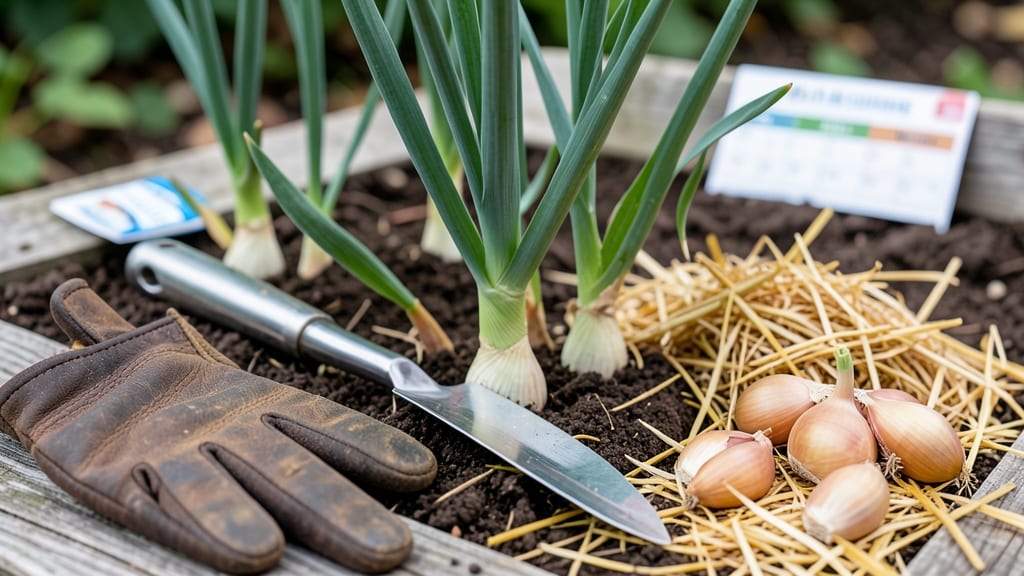
Planting garlic in Alabama at the wrong time can mean the difference between a bountiful harvest of plump bulbs and a sad, bolted mess.
Unlike many crops, garlic thrives when planted in fall, but Alabama’s unique climate—with its mild winters and unpredictable frosts—means timing matters more than you might think.
Most gardeners in Alabama’s USDA zones 7a-8b should get their cloves in the ground between October and November, but hardneck and softneck varieties have slightly different needs.
Hardneck garlic, prized for its sturdy stems, needs a longer cold period to form bulbs, while softneck varieties are more forgiving if planted just a little later.
Why does this matter? Because garlic grows best when it experiences 60 days of cold temperatures before spring. Plant too early, and you risk rot; too late, and your bulbs might bolt prematurely.
I’ll break down the exact windows for each variety and how to adjust for Alabama’s microclimates—so you can grow the best-tasting garlic your neighbors will be jealous of.
Ready to avoid common mistakes and set yourself up for a successful harvest? Let’s dive into the ideal planting schedule, soil prep tips, and overwintering strategies that actually work in Alabama’s warm(ish) winters.
Best planting times for garlic in Alabama by variety (hardneck vs softneck)
Alabama gardeners know that fall planting is the golden window for garlic—especially in USDA zones 7-8. But did you know hardneck and softneck varieties have different sweet spots? Hardnecks thrive when planted October through December, while softnecks prefer October to November.
The key is getting cloves in the ground 4-6 weeks before hard frost, when soil temps hover around 40-50°F. This timing ensures strong root establishment before winter dormancy.
Why does this matter? Hardneck garlic needs cold exposure to form scape shoots (those edible flower stems), while softneck garlic stores better long-term but still benefits from a cool winter chill.
Alabama’s variable frost dates (November 15 in the north vs. December 1 in the south) mean you’ll need to adjust your schedule based on your exact location. Let’s break down the perfect planting windows for each type to avoid bolting or stunted growth.
🌱 PRO TIP: Use a soil thermometer to confirm temps—ideal planting soil should be between 40-50°F. If temps drop below 32°F before roots establish, your cloves may rot. Mulching with straw or leaves after planting helps insulate the soil and protect emerging shoots.
For hardneck garlic, the October 15–November 15 window is critical—this gives roots time to establish before winter. If you’re in North Alabama (USDA 7a), aim for early October to avoid early frosts.
In South Alabama (USDA 8a-8b), you can push planting until mid-December, but watch for unpredictable cold snaps. Varieties like ‘Music’ or ‘German Red’ are excellent choices for hardnecks in Alabama’s climate.
Softneck garlic, like ‘Silverskin’ or ‘Artichoke’, is more forgiving with a shorter window (October–November). Since it doesn’t need cold to form scapes, you can plant later—but don’t wait past November 15 or risk poor bulb development.
Softnecks are your best bet for long-term storage, making them ideal if you want garlic for holiday cooking or year-round braiding.
What if you miss the ideal window? December planting is possible for hardnecks in South Alabama, but use thick mulch (4–6 inches) to protect cloves. Avoid planting in spring—garlic needs winter dormancy to develop properly.
If you’re tempted to try spring planting, know you’ll likely get small, pungent bulbs with poor storage life.
One common mistake Alabama gardeners make is planting too deep or shallow. Cloves should go 2 inches deep in loose soil or 4 inches deep in heavy clay. Overcrowding (less than 4 inches apart)
How to time your garlic planting for Alabama’s microclimates (north vs south regions)
Alabama’s diverse climate means North Alabama’s colder winters and South Alabama’s milder winters require different planting strategies for garlic.
In the North (USDA Zones 7a-7b), like Huntsville or Decatur, you’ll need to plant earlier to avoid winter kill, while in the South (Zones 8a-8b), like Mobile or Dothan, you can extend your window into December.
Understanding these regional differences helps you maximize bulb size and prevent premature bolting.
For North Alabama, aim to plant garlic by late October—ideally 4-6 weeks before the first hard frost (usually around November 15). This gives the cloves time to establish roots before winter.
In South Alabama, where frosts are lighter, you can push planting into early December, but avoid waiting past mid-December to ensure the bulbs have enough chill hours for proper development.
⚠️ callout warning
Alabama’s unpredictable frost dates and winter temperature swings (from 20°F to 60°F) are garlic’s worst enemy. Planting too late in North Alabama risks freeze damage, while planting too early in South Alabama can trigger premature bolting before harvest. Use mulch (straw or leaves) to insulate soil and row covers for extra protection during cold snaps.
🌡️ Pro Tip: Monitor soil temperatures—garlic thrives when soil stays between 40°F–60°F during dormancy.
To protect your garlic, start with well-drained soil enriched with compost or aged manure. In North Alabama, add a 4-inch layer of mulch (straw or leaves) after planting to shield cloves from freeze-thaw cycles.
For South Alabama, where winters are milder, use black plastic mulch to warm the soil slightly and extend the planting window into December. Both regions benefit from lightweight row covers during sudden cold snaps.
Soil preparation is just as critical as timing. Test your soil’s pH (6.0–7.0 ideal) and amend with lime if needed. In North Alabama, where winters are harsher, plant hardneck varieties (like ‘Music’ or ‘Chesnok Red’) for better cold tolerance.
In South Alabama‘Silverskin’) store longer and handle milder winters better. Both types need full sun (6+ hours daily) and consistent moisture.
If you miss the ideal window, don’t panic! In North Alabamaearly spring (February) for a smaller harvest, but bulbs won’t store as long. In South Alabamarow covers to simulate winter chill. Just remember: bolting risk increases with warmer winters, so prioritize timing over stretching the season.
For extra insurance, plant a test row in early October to gauge your local frost timing. Adjust future plantings based on when the soil reaches 50°F—this is your cue to start.
With these regional tweaks, you’ll avoid common pitfalls and enjoy plump, flavorful garlic come harvest season. Happy planting! 🧄