
Plants
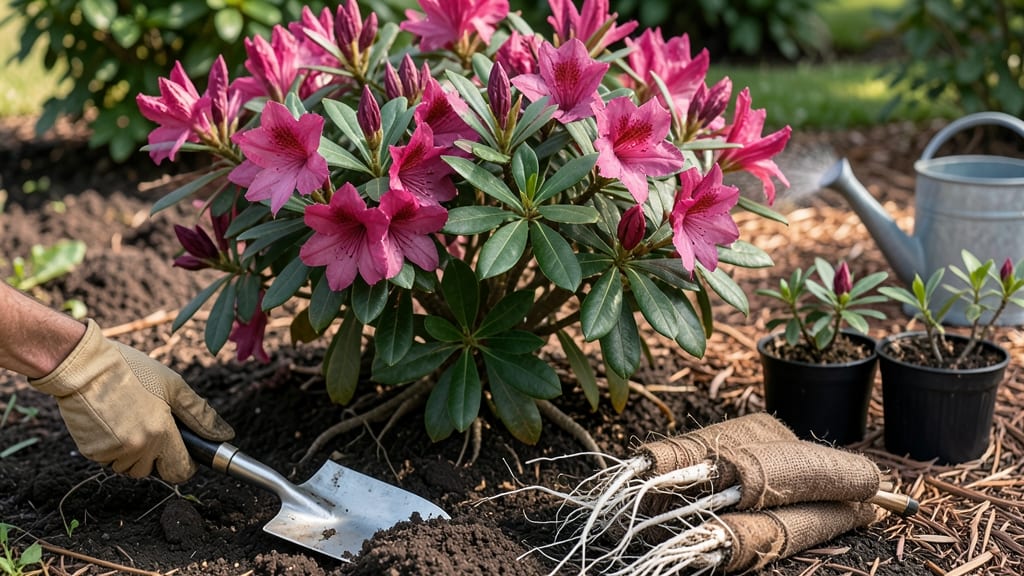
Planting your 🌸 azaleas at the wrong time in Florida can mean the difference between a thriving shrub and one that struggles to take root—especially when frost-free zones vary wildly from the Panhandle to Miami.
If you've ever watched your azaleas wilt after a late planting or wondered why your neighbor's blooms are bigger, timing is the secret weapon you've been missing.
Here's the truth: Florida's climate gives you two perfect windows—fall and early spring—but getting it wrong can leave your azaleas vulnerable to heat stress or frost damage, even in the southernmost zones.
I'll show you exactly when to plant in your specific region, whether you're in Zone 8a where frosts still sneak in or Zone 11 where they're practically nonexistent.
What you'll discover is that bare-root azaleas and container-grown varieties have different ideal planting times, and how to prepare your soil to match Florida's acidic, well-draining needs. We'll also cover how to align your planting with natural rainfall patterns to give your new shrubs the best possible start.
Ready to transform your garden into a year-round 🌸 azalea display? Let's dive into the exact months that work best for your part of Florida—and why waiting just a few weeks could cost you blooms next spring.
Florida azalea planting calendar by frost-free Zone (north vs south timing)
Florida’s three distinct frost-free zones create dramatic differences in azalea planting success. In the Panhandle (Zone 8a-9a), frost can still threaten young plants until mid-March, while South Florida (Zone 10b-11) enjoys year-round frost-free conditions.
Understanding these zones helps you avoid transplant shock and maximize root establishment before summer heat arrives.
For Northern Florida gardeners, the fall planting window (October-November) is critical—it allows roots to establish before winter chills. Meanwhile, South Florida gardeners have more flexibility, with spring planting (February-March) being ideal. Let’s break down the exact timing and soil prep for each zone to ensure your azaleas thrive.
⚠️ Key Difference: Northern azaleas need extra frost protection (mulch, frost cloth), while Southern varieties can handle direct summer sun better. The comparison below shows the exact planting windows and soil prep for each region.
| Region & USDA Zone | Optimal Planting Window | Soil Prep (pH & Amendments) | Frost Risk & Protection | Best Azalea Varieties |
|---|---|---|---|---|
| Panhandle (8a-9a) | October 15–November 15 (Fall) February 15–March 15 (Spring) |
pH 4.5–5.5 Mix in peat moss or pine bark |
Last frost: Jan 31 Use mulch (3–4") and frost cloth if late frost |
Knap Hill, Rusty, Hershey |
| Central Florida (9a-10a) | September 15–November 15 (Fall) January 15–March 15 (Spring) |
pH 5.0–6.0 Add sulfur if soil is alkaline |
Last frost: Feb 15 Mulch only (no frost cloth needed) |
Southern Indica, Formosa, Girard’s |
| South Florida (10b-11) | August 15–October 15 (Fall) February 1–March 31 (Spring) |
pH 5.5–6.0 Use compost + sand for drainage |
No frost risk Focus on heat tolerance (e.g., Formosa azaleas) |
Formosa, Southern Indica, Dwarf varieties |
In the Panhandle, I recommend planting bare-root azaleas in late October to give roots time to establish before winter. The cooler temperatures and higher humidity create ideal conditions for root growth without the stress of summer heat.
For Central Florida, you can extend planting into early November or even January if you’re using container-grown azaleas, which handle slight temperature fluctuations better.
South Florida’s warmer climate allows for a longer planting window, but I still advise avoiding peak summer months (June-August) when intense heat and humidity can cause transplant shock.
Instead, opt for late summer (August-September) or early spring (February-March) for the best results. Formosa azaleas are particularly well-suited for this region due to their heat tolerance.
Regardless of your zone, soil preparation is key. Azaleas thrive in acidic, well-draining soil with a pH between 4.5 and 6.0.
In Northern Florida, where soils are often alkaline, amend with peat moss or sulfur to lower the pH. For South Florida’s sandy soils, mix in compost and pine bark to improve moisture retention without compacting the soil.
One common mistake I see is planting azaleas too deep. Always ensure the root flare (where roots meet the stem) is just above soil level. Burying it too deep can suffocate the plant and lead to root rot.
After planting, water deeply to settle the soil and encourage root growth. In drought-prone areas, like
Critical factors that determine azalea planting success in Florida
While timing matters, Florida azaleas thrive when you also address their soil pH, moisture needs, and sunlight exposure. These factors directly impact root growth and bloom production.
For example, a pH below 4.5 can stunt your azalea's ability to absorb nutrients, even if planted at the perfect time.
Florida’s humid climate creates unique challenges like lace bugs and scale insects, which target stressed azaleas. These pests thrive in hot, dry conditions—common after summer planting. I’ve seen firsthand how a single lace bug infestation can defoliate an otherwise healthy shrub within weeks.
⚠️ WARNING: Florida-Specific Mistakes That Kill Azaleas
⚠️ Planting Pitfalls to Avoid
- Ignoring soil pH: Florida’s native soil is often alkaline (7.0+). Without amending with sulfur or peat moss, azaleas won’t thrive—even in ideal planting windows.
- Overwatering: While azaleas need consistent moisture, soggy soil leads to root rot. Florida’s heavy rains can drown roots if drainage isn’t addressed.
- Full-sun exposure: Coastal Florida’s intense afternoon sun burns azalea leaves. Partial shade (morning sun + afternoon shade) is non-negotiable.
- Skipping pest checks: Lace bugs and scale insects love Florida’s heat. Inspect leaves weekly after planting, especially in Panhandle regions.
Pro Tip: Test soil pH before planting—use a home test kit or send a sample to your local UF/IFAS Extension office for accurate results.
Your azalea’s soil pH is the foundation of success. Aim for a range of 4.5–6.0—this acidity level mimics their natural Appalachian mountain habitats. In Florida, most native soils are too alkaline, so I recommend mixing in pine bark fines or sphagnum peat moss during planting.
Moisture management is another critical factor. Azaleas need consistent moisture but hate soggy roots. In Florida’s summer heat, I water deeply every 5–7 days, focusing on the root zone. Mulching with 3–4 inches of pine straw helps retain moisture while preventing weeds.
Sunlight exposure often gets overlooked. While azaleas tolerate partial shade, Florida’s coastal areas receive harsh afternoon sun. Plant yours where they get morning sun and afternoon shade. Inland areas with milder sun can handle slightly more light, but avoid full sun at all costs.
Pests like lace bugs and scale insects are azalea nemeses in Florida. Lace bugs leave yellow stippling on leaves, while scale creates sticky honeydew. I treat infestations with neem oil or horticultural oil in early stages.
For severe cases, a systemic insecticide like imidacloprid works but should be a last resort.