
Plants
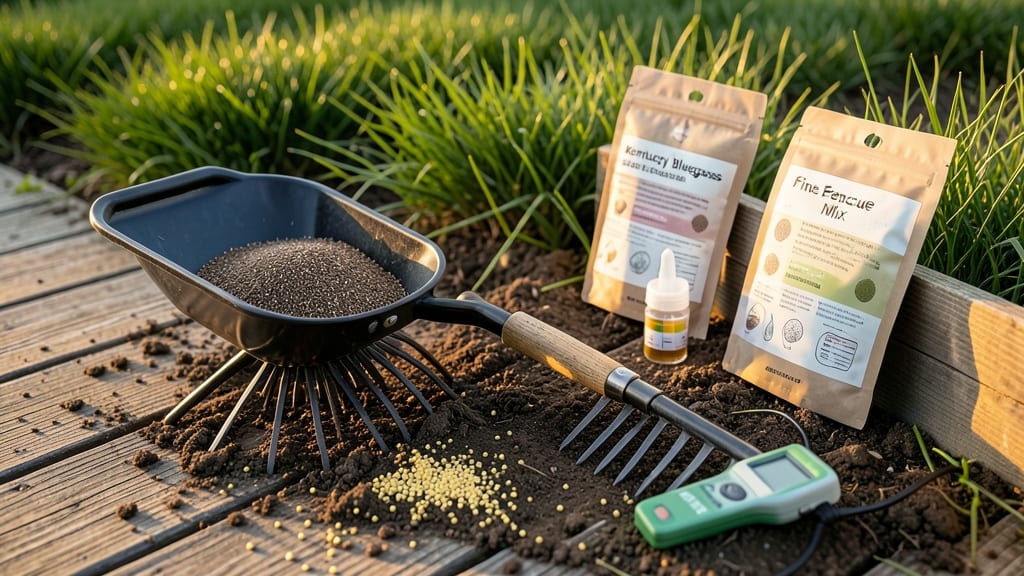
Planting grass seed in Minnesota isn’t just about grabbing a bag and scattering it—timing is everything. The wrong window can leave you with patchy, weak grass that struggles through frost and drought, while the right approach sets you up for a lawn that thrives year after year.
With Minnesota’s USDA zones 3-5 and unpredictable spring weather, knowing when to plant is the key to success. Whether you’re seeding in early spring or fall, soil temperature and frost dates play a bigger role than most gardeners realize.
I’ll break down the exact months to aim for, plus how to prep your soil and choose the right seed blend for your climate.
Spring planting has its challenges—soil that’s too cold, erratic rains, or early frosts—but it’s not impossible. Fall, on the other hand, offers cooler temps and fewer weeds, making it a favorite for many Minnesota lawns.
I’ll walk you through the pros and cons of each season so you can decide what works best for your yard.
Ready to grow a lawn that stands up to Minnesota’s toughest seasons? Let’s dive into the best times to plant, the tools you’ll need, and the steps to ensure your grass takes root strong and stays green through winter.
Minnesota grass seed planting calendar: best months for spring vs fall success
Minnesota’s cool-season climate creates two prime windows for planting grass seed: early spring and early fall. The key? Soil temperatures must stay above 50°F for consistent germination. In USDA zones 3-5, timing varies by 1-2 weeks between northern and southern regions.
Northern MN (zones 3-4) has a shorter growing season, so late August to early September is ideal for fall planting. Southern MN (zone 5) can extend fall planting until mid-October, while spring planting should begin by mid-April to avoid late frosts.
Spring planting risks include late frost damage and dry soil in May, while fall planting benefits from cooler temperatures and consistent moisture as winter approaches. Both seasons give grass 4-6 weeks to establish roots before dormancy.
Soil temperature is your best guide: Use a soil thermometer to confirm 50°F+ at 4-inch depth. In northern MN, this often means waiting until late May for spring planting, while southern regions can start as early as mid-April.
| Season | Ideal Months | Soil Temp Requirement | USDA Zone 3-4 | USDA Zone 5 |
|---|---|---|---|---|
| Spring | Mid-April to May | 50°F+ at 4" | Late May | Mid-April |
| Fall | Late August to October | 50°F+ at 4" | Late Aug-Early Sep | Late Aug-Mid Oct |
| Avoid | June-July | Heat stress risk | All summer | All summer |
| Bonus Tip | Early September | Best germination | 4-6 weeks before frost | 6-8 weeks before frost |
Fall planting often outperforms spring in Minnesota because cooler air temperatures reduce evaporation, keeping soil moist longer. Aim to plant 4-6 weeks before your area’s average first frost (typically mid-October in northern MN, late October in southern regions).
For spring planting, don’t rush—wait until soil temperatures consistently stay above 50°F for at least 5 days. In northern MN, this often means waiting until late May, while southern areas can start as early as mid-April. Always check NOAA frost predictions for your specific county.
Micro-climates matter! Urban areas like Minneapolis-St. Paul may experience warmer soil earlier than rural zones, while northern lakeside regions (like Duluth) stay cooler longer. Adjust your timeline by 1-2 weeks based on your local conditions.
Pro tip: If you miss the ideal windows, late August is your last chance for fall planting. By September 15th, new grass may not have enough time to establish strong roots before winter. Always prioritize root development over quick top growth.
Remember, Kentucky bluegrass and fine fescue (common MN choices) thrive with 60-70 days of growing time before dormancy. Fall planting gives them exactly that—no summer heat stress to contend with.
🌱
5 Critical factors that determine your perfect planting window in Minnesota
Minnesota’s cool-season climate means timing your grass seed isn’t just about months—it’s about soil conditions, frost patterns, and even the type of seed you choose.
Many gardeners assume spring is the only option, but late August or early September often delivers stronger root growth in northern MN before winter sets in. Let’s break down the 5 critical factors that separate successful planting from wasted effort.
First, soil temperature is your best early warning system. Grass seed needs soil that’s at least 50°F (10°C) for consistent germination.
In Minnesota, this usually means waiting until late April or early May in spring, but by late summer, soil stays warm longer, giving seeds a head start before frost. I always test with a soil thermometer—it’s the difference between patchy growth and a thick, even lawn.
Frost prediction tools from NOAA are your secret weapon. The National Weather Service’s frost forecast shows when to plant 4-6 weeks before the first frost in fall. For northern MN (USDA zones 3-4), this often means mid-to-late August. Pro tip: Bookmark NOAA’s Local Climate Reports for your county—it’s free and saves you from guessing.
Don’t overlook seed type—it’s the X-factor in MN’s climate. Cool-season grasses like tall fescue and fine fescue dominate because they germinate quickly in cool soil and stay green longer into fall.
Warm-season grasses? They’re a gamble unless you’re in southern MN, where summers are longer. I’ve seen fall-planted cool-season grass outperform spring plantings by 30% in root depth—it’s worth the wait!
Testing soil readiness is non-negotiable. Grab a handful of soil and squeeze it—if it holds a shape but crumbles, it’s perfect. Too dry? Water deeply the day before planting. Too wet? Wait 3-5 days for excess moisture to evaporate.
I once rushed planting after a dry spell, only to watch seeds dry out within 48 hours. A simple test saved me from redoing the entire lawn.
For northern MN, late August or early September is often the sweet spot. By then, soil is still warm, weeds are less aggressive, and you’ve got 6-8 weeks of growing season before frost.
I planted my front yard in late August last year—by October, the grass was already 2 inches tall and dormant but resilient through winter. Spring plantings? They struggled with competing weeds and uneven germination.
Your perfect planting window in Minnesota boils down to soil, seed, and season. Use NOAA’s frost data, test your soil, and choose the right seed blend. Follow these rules, and you’ll skip the trial-and-error that wastes seed and money. Trust me—your lawn will thank you next summer. 🌱