
Planting
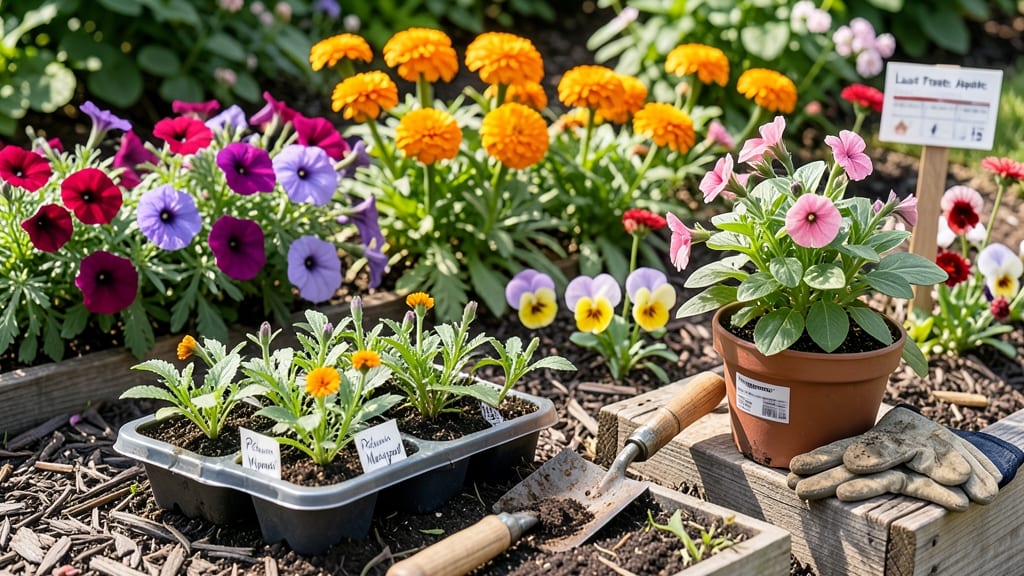
Timing your flower planting in Ohio isn’t just about waiting for spring—it’s about avoiding those cruel late frosts that can turn your 🌸 dreams into wilted disappointment.
Whether you're in Toledo’s cooler Zone 5a or Cincinnati’s milder 6b, planting too early or too late means the difference between a vibrant garden and a sad, frost-nipped mess.
I’ve spent years watching Ohio’s unpredictable weather play tricks on gardens, and the key to success? Knowing your exact last frost date—and then adding a 2-3 week buffer for safety. Spring planting starts as early as late March in southern Ohio, but northern regions often wait until mid-April.
And don’t even get me started on fall planting—it’s a whole other game with its own rules.
What you’ll discover here is a zone-by-zone breakdown of Ohio’s planting windows, including the best flowers for your microclimate and how to prep your soil for zero-frost success.
Whether you’re a first-time gardener or a seasoned pro, these insights will help you time your plantings like a local—no more guessing games.
Ready to transform your Ohio garden into a blooming paradise? Let’s dive into the exact months, soil tips, and flower varieties that will make your yard the envy of the neighborhood.
Ohio’s 2024 flower planting calendar by hardiness Zone (with frost-date maps)
Ohio’s 5 primary USDA zones (5a-6b) create planting windows that can shift by 3-4 weeks from north to south. In Zone 5a (Toledo), your last frost typically arrives April 20-30, while Zone 6b (Cincinnati) sees frost-free soil as early as April 5-15.
These differences mean timing is everything—plant too early and risk frost damage; too late and miss peak blooms.
For annual flowers, wait until soil temps hit 60°F (usually 2-3 weeks after last frost). Perennials like coneflowers and black-eyed Susans can handle cooler soil, while tender bulbs (dahlias, cannas) need warm ground.
Ohio’s Lake Erie effect also creates microclimates—areas near water stay cooler longer, delaying planting by 1-2 weeks.
Fall planting for bulbs (tulips, daffodils) should occur 6-8 weeks before first frost (typically mid-September to early October). Hardy perennials like asters and sedum can go in late summer, but avoid planting annuals after August—they won’t establish roots before winter.
Use this zone-specific calendar to align your planting with Ohio’s frost-free windows. Pro tip: Check Almanac’s Frost Predictor for real-time updates—Ohio’s springs are famously unpredictable!
In Zone 5a, start cold-hardy annuals (pansies, violas) indoors by March 1 for early blooms. Perennials like Russian sage and catmint can go in early April, while tender perennials (dahlias, gladiolas) wait until after May 1.
Southern Ohio (Zone 6b) gardeners can plant warm-season flowers (marigolds, zinnias) as early as April 1, but avoid frost-sensitive plants until after April 15. Bulbs like tulips should be planted in October—earlier in cooler microclimates (e.g., Appalachian foothills).
For container gardening, extend your window by 1-2 weeks—pots warm up faster than soil. Urban heat islands (Cincinnati, Columbus) may see earlier last frosts by 5-7 days due to pavement heat retention. Always check soil temperature with a thermometer—60°F+ is ideal for most flowers.
Ohio’s first frost typically arrives October 15-30, but mountainous areas (SE Ohio) can see frost as early as October 1. Hardy mums and asters often bloom until November, while annuals like impatiens will die back by first frost.
Plan fall-blooming perennials (e.g., sedum, helenium) for late summer planting to maximize their season.
Use this calendar as your garden’s GPS. Missed the window? Try slow-release fertilizers or mulch to give late plants a fighting chance. And remember: <
How to adjust planting timing for Ohio’s microclimates (urban vs. rural, north vs. south)
Ohio’s microclimates create dramatic differences in planting windows—sometimes as much as 4 weeks between regions. What works in Cincinnati’s urban heat island (Zone 6b) might fail in Toledo’s cooler lakeshore (Zone 5a). The key? Adjusting your schedule by 1-3 weeks based on your specific location’s frost patterns and heat retention.
For example, Columbus gardeners can follow standard USDA Zone 6a timing, but those in Appalachian foothills (like Athens) should delay planting by 10-14 days to account for cooler nights.
Meanwhile, urban Cincinnati can plant 2 weeks earlier thanks to pavement and buildings trapping heat. Let’s break down the exact adjustments you need.
| Region | USDA Zone | Last Frost Date | Adjustment | Risk Reduction Tip |
|---|---|---|---|---|
| Toledo/Lake Erie | 5a | May 5-15 | Plant 2-3 weeks later | Use row covers for early starts |
| Columbus | 6a | April 20-May 5 | Standard timing | Monitor night temps below 32°F |
| Cincinnati (Urban) | 6b | April 10-20 | Plant 2 weeks earlier | Choose heat-tolerant varieties |
| Appalachian Foothills | 5b-6a | May 1-10 | Delay by 10-14 days | Use cold frames for early starts |
If you’re unsure about your exact last frost date, use this risk calculator: Subtract 14 days from your average last frost date for cold-sensitive flowers (like impatiens) and add 7 days for hardy perennials (like coneflowers).
For example, if your last frost is May 1, plant impatiens no earlier than May 15, but coneflowers can go in April 25.
For urban heat islands like Cincinnati, the asphalt effect can raise soil temps by 5-10°F compared to rural areas. This means earlier planting of heat-loving flowers like lantana or salvia, but also increased watering to prevent stress.
Test your soil with a thermometer—ideal planting temps are 60°F+ for most flowers.
In rural areas with cooler microclimates (like the Appalachian foothills), extend your season with low tunnels or hoop houses. These can add 2-4 weeks to your growing window by trapping heat.
Pair this with mulching (straw or leaves) to insulate roots. For Toledo’s lakeshore, where cold air lingers, opt for late-blooming varieties like black-eyed Susans or goldenrod that tolerate cooler soils.
Pro tip: Keep a gardening journal for 2-3 years to track your local frost patterns. Note when unexpected late frosts occur—this data will help you fine-tune future planting schedules. Even a 5-day delay can mean the difference between lush blooms and frost-nipped petals.