
Flowers
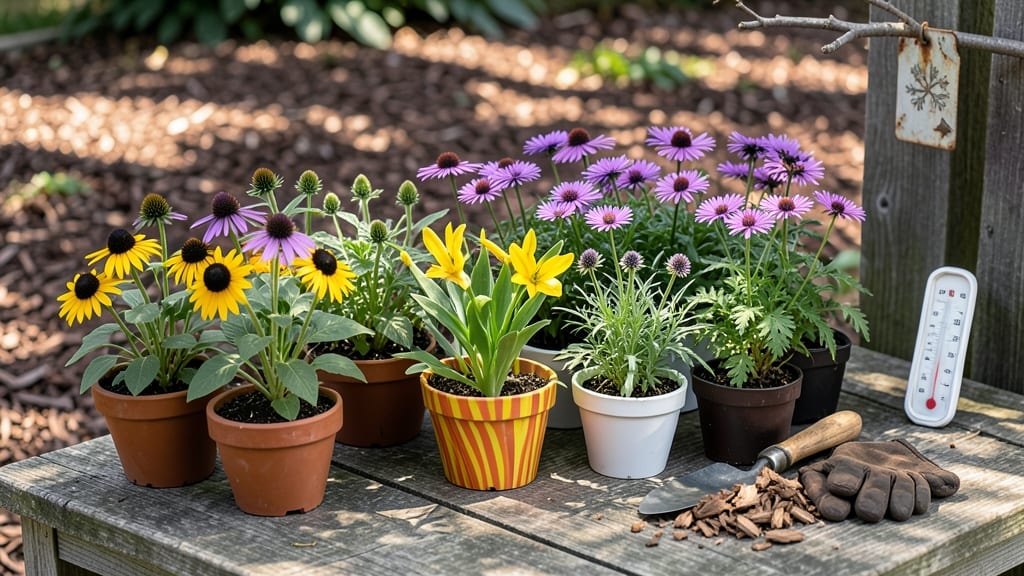
Planting flowers in Michigan can feel like playing a high-stakes game of chance—get the timing wrong, and frost will turn your vibrant blooms into sad, wilted memories.
But with the right strategy, you can beat the weather and enjoy a garden bursting with 🌸 from spring to fall, whether you're in Detroit or the Upper Peninsula.
The key is knowing your region's last frost dates, which can vary by 2-3 weeks across Michigan's 5b-6b zones. In most areas, the safest window to plant annuals and tender perennials is between April 15 and May 15, but cooler northern zones may need to wait until late May.
For fall planting, aim for August 15 to September 15 to give flowers time to establish roots before winter.
I've tested these windows in my own Michigan garden, and the difference between planting too early and planting just right is night-and-day.
You'll learn exactly when to put in your favorite flowers, how to protect them from late frosts, and which varieties thrive in Michigan's unpredictable climate—so you can finally stop guessing and start growing.
Let's dive into the science behind Michigan's frost dates and how to use them to create a garden that blooms beautifully, no matter where you live in the state.
Michigan’s last frost dates by region: critical planting windows
Michigan’s diverse climate means last frost dates vary dramatically from the Upper Peninsula to Metro Detroit. Getting these dates right ensures your annuals, perennials, and bulbs thrive without frost damage.
I’ll break down each region’s average last spring frost and first fall frost, plus ideal planting windows for your favorite blooms.
For example, gardeners in Southeast Michigan can start planting hardy annuals like pansies by April 15, while those in the Upper Peninsula should wait until May 15 or later. These differences matter—especially for frost-sensitive flowers like petunias or geraniums.
Here’s a quick reference for Michigan’s 5 key climate zones, including last frost dates, planting windows, and region-specific tips to maximize your garden’s potential.
| Region | Last Spring Frost | First Fall Frost | Spring Planting Window | Fall Planting Window | Best Early Bloomers |
|---|---|---|---|---|---|
| Upper Peninsula | May 15–20 | September 20–25 | May 20–June 1 | August 1–15 | Pansies, Snapdragons |
| Northern Lower Peninsula | May 1–10 | September 15–20 | May 10–20 | August 10–20 | Lobelia, Sweet Alyssum |
| Metro Detroit | April 25–May 5 | October 5–10 | April 30–May 15 | August 20–September 10 | Marigolds, Zinnias |
| Southwest Michigan | April 20–25 | October 10–15 | April 25–May 10 | August 15–September 5 | Calendulas, Nasturtiums |
| Southeast Michigan | April 15–20 | October 15–20 | April 20–May 5 | August 10–September 15 | Petunias, Geraniums |
In the Upper Peninsula, where frosts linger until mid-May, I recommend starting cool-season crops like pansies or violas indoors by March 1. These hardy annuals tolerate light frosts and will bloom earlier, giving you color when other flowers are still waiting for warmer soil.
For Metro Detroit and Southeast Michigan, where springs arrive earlier, you can push the envelope by planting cold-hardy perennials like coneflowers or black-eyed Susans in early April. These perennials establish roots quickly and reward you with long-lasting blooms from summer to fall.
When it comes to bulbs, timing is everything.
In Southeast Michigan, plant tulip bulbs in October for spring blooms, but in the Upper Peninsula, wait until November to avoid winter heaving. Daffodils, however, are more forgiving and can be planted as late as December in most regions.
Don’t forget about fall planting! In Southwest Michigan, you can still tuck in hardy annuals like pansies or calendulas until September 15. These plants thrive in cool fall weather and provide colorful accents as summer fades.
Just be sure to use row covers if an early frost threatens.
Pro tip: Use a frost calendar or local weather station to track real-time frost alerts. I’ve had years where the last frost came 2 weeks later than expected—especially in urban areas like Detroit, where heat islands can delay frost.
For heat-loving annuals like zinnias or marigolds, wait until after the last frost date and soil temperatures reach at least 60°F. In Northern Michigan, this might not happen until late May
How to extend your flower planting season in Michigan
Michigan’s short growing season doesn’t have to limit your flower garden’s beauty. With the right strategies, you can push your planting 2-4 weeks earlier in spring or 3-6 weeks later in fall.
Whether you’re in Detroit’s frost-free zones or the Upper Peninsula’s colder regions, these techniques will help you enjoy blooms year-round.
Start by choosing cold-hardy varieties like pansies, snapdragons, and sweet alyssum for early planting. These thrive in cooler temperatures and can handle light frosts. For late-season blooms, opt for heat-tolerant flowers such as zinnias, marigolds, and cosmos, which flourish in summer’s warmth.
For Detroit gardeners, focus on late-summer planting (August) for annuals like cosmos and marigolds. These varieties bloom quickly and tolerate hotter temperatures better than others. In colder regions, prioritize early spring planting under row covers to jumpstart growth.
Don’t forget to harden off tender plants before exposing them to outdoor conditions. Gradually introduce them to sun and wind over 7-10 days to prevent shock. This is especially critical for seedlings started indoors or purchased from nurseries.
With these strategies, your Michigan flower garden can burst into color earlier and last longer—no matter where you live in the state. Experiment with a few techniques this year, and you’ll be rewarded with months of blooms! 🌷