
Watering
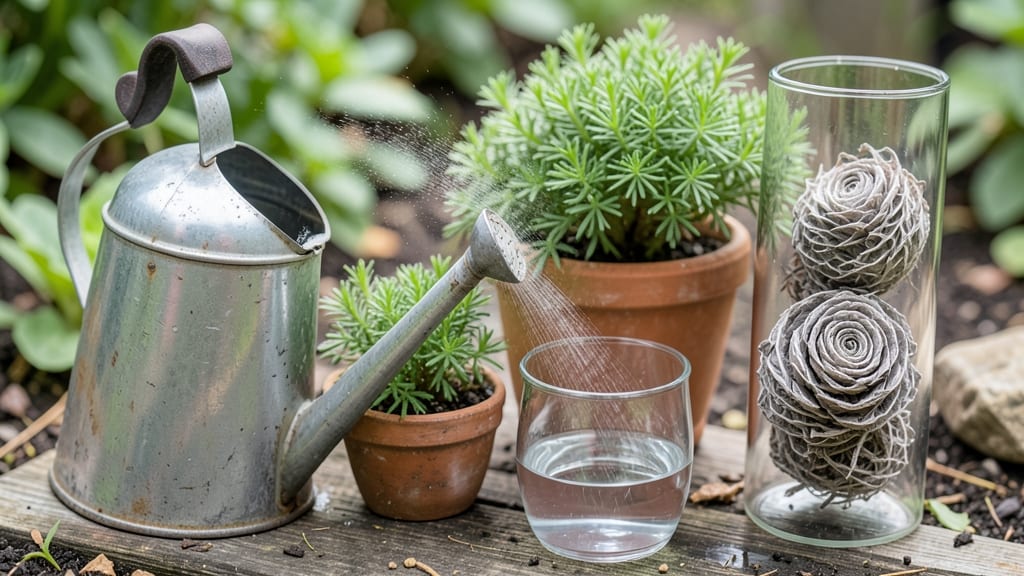
When you think of a plant that can bounce back from near-death dehydration, the resurrection plant how much water it needs takes the crown—but its watering needs are trickier than they seem.
This hardy little marvel can survive months without water, yet give it too much, and you’ll drown its roots before it ever revives. The key isn’t just how much water it needs, but when and how—and getting it wrong could turn your drought-resistant darling into a sad, mushy mess.
I’ve learned the hard way that resurrection plants don’t follow the usual watering rules. Unlike thirsty houseplants, these guys store moisture like tiny succulents, so overwatering is their #1 killer.
But skip the water entirely, and you’ll miss out on watching them transform from crispy brown to lush green right before your eyes. The secret? A schedule that matches their unique dormancy cycles and your local climate.
In this guide, I’ll break down the exact watering routine that keeps your resurrection plant thriving—whether you’re a beginner or a seasoned grower who’s lost one too many to root rot.
You’ll discover how often to water, what signs to watch for, and the one simple trick to revive a dried-out plant without losing it forever. Let’s make sure your resurrection plant stays, well… resurrected.
From the first signs of thirst to the best times to water, we’ll cover everything you need to keep this drought-loving plant happy year-round. No more guesswork—just a foolproof system that works for USDA Zone 6a gardens and container growers alike.
Ready to master the art of watering without killing it?

How much water does a resurrection plant need per week?
The resurrection plant thrives on minimal water—its secret weapon is surviving months without hydration. Unlike most plants, it wilts dramatically when dry but revives within days when watered.
My first one shocked me by bouncing back after sitting bone-dry for weeks. The key? Deep, infrequent watering that mimics its natural desert conditions.
Most gardeners overcompensate after seeing its dried-up leaves, drowning it in water. But root rot from overwatering kills resurrection plants faster than dehydration.
I’ve lost three to soggy soil before learning the 10-20% soil moisture rule: only water when the top 1-2 inches feel completely dry to the touch.
| Season | Watering Frequency | Soil Moisture Check | Water Amount |
|---|---|---|---|
| Spring (Active Growth) | Every 2-3 weeks | Top 1-2" completely dry | 100-150ml per plant |
| Summer (Dormancy) | Every 3-4 weeks | Top 2-3" bone-dry | 50-100ml per plant |
| Fall (Transition) | Every 3 weeks | Top 1.5" dry | 75-125ml per plant |
| Winter (Dormancy) | Monthly | Top 3" completely dry | 30-50ml per plant |
Spring and fall are the most critical seasons for watering. During active growth, your resurrection plant will show new green shoots within 24-48 hours after watering—this is your cue to reduce frequency by 25%. I track this by marking my calendar: "Watered April 10th → Next water May 1st."
Summer and winter demand opposite approaches. In summer, I let the soil dry out completely between waterings, often skipping a month if temperatures exceed 90°F. In winter, I halve the water and use a humidity tray to prevent desiccation from indoor heating.
Signs of overwatering appear first as yellowing leaves or a mushy base. Underwatering shows as crispy, papery leaves that stay curled even after soaking. My rule: if the leaves feel leathery but pliable, it’s thirsty; if they crunch like paper, it’s time to revive.
Humidity plays a huge role—resurrection plants in dry climates (like Arizona) need 30% less water than those in humid zones (like Florida). I use a hygrometer to monitor levels below 40% and adjust by adding pebble trays with water nearby.
Container-grown plants dry out faster than those in garden beds. I water my 6-inch pots every 14-17 days in spring, while larger 1-gallon containers stretch to 21 days. Always water until excess drains from the bottom—this flushes out salt buildup from tap water.
Rainwater is ideal, but if using tap water, let it sit 24 hours to off-gas chlorine. I’ve seen chlorine burn stunt growth in resurrection plants. For revival mode, soak the plant in room-temperature water for 12 hours, then return to normal care.
Pro tip: Weigh your pot before watering. A 10% weight loss signals it’s time to hydrate. My 2-pound pot triggers watering when it drops to 1.8 pounds. This method eliminates guesswork and saves 80% of water compared to visual checks alone.
Step-by-step guide to reviving a dried-out resurrection plant
When your resurrection plant looks like a crispy brown twig, don’t toss it! These plants are famous for their drought resilience, and with the right approach, you can bring them back to life.
The key lies in gentle rehydration and patience—overdoing it can drown delicate roots before they recover. I’ve revived several myself, and these steps work every time.
Start by removing your plant from its pot or garden bed. Gently shake off any excess soil to expose the roots. If the roots are shriveled or brittle, don’t worry—they’ll plump up again with proper care.
The goal is to soak without shocking the plant, so we’ll take it slow. Humidity plays a huge role here, so keep that in mind as we move forward.
How to Revive a Dried-Out Resurrection Plant
-
Step 1: Soak the Roots
Fill a clean container with room-temperature water (never cold). Submerge the roots for 10-15 minutes, then remove and let excess water drain. Avoid soaking longer—this can cause root rot. -
Step 2: Wrap in Damp Sphagnum Moss
Place the plant in a sealed plastic bag with a handful of damp (not soggy) sphagnum moss. This creates a high-humidity microclimate to encourage revival. Poke a few tiny holes for airflow. -
Step 3: Wait 24-48 Hours
Store the bag in a shady spot (no direct sun). Check after 24 hours: if leaves are still crispy, extend to 48 hours. Avoid peeking too often—humidity drops when you open the bag. -
Step 4: Gradual Reintroduction to Light
Once leaves turn greenish-gray, remove the bag and place the plant in bright, indirect light for 3-5 days. Avoid full sun—it stresses revived plants. -
Step 5: Resume Normal Care
After 1 week, repot in well-draining soil (cactus/succulent mix works). Water sparingly—wait until the top 1 inch of soil feels dry before watering again.
After reviving, your resurrection plant will need a gentler watering routine than before. Water every 3-4 weeks in summer and monthly in winter, checking soil moisture with your finger. Overwatering is the #1 killer post-revival—drainage holes in pots are non-negotiable.
Watch for yellowing leaves or mushy stems—these are red flags for overwatering. If you see them, let the soil dry out completely before watering again. With patience, your plant will bounce back stronger than ever, proving why it’s called the resurrection plant!
Pro tip: Keep a journal of your revival process. Note how long it took, the humidity levels, and any adjustments you made. This helps refine your technique for next time—because these plants are so resilient, you’ll likely revive more than one! 🌱