
Plants
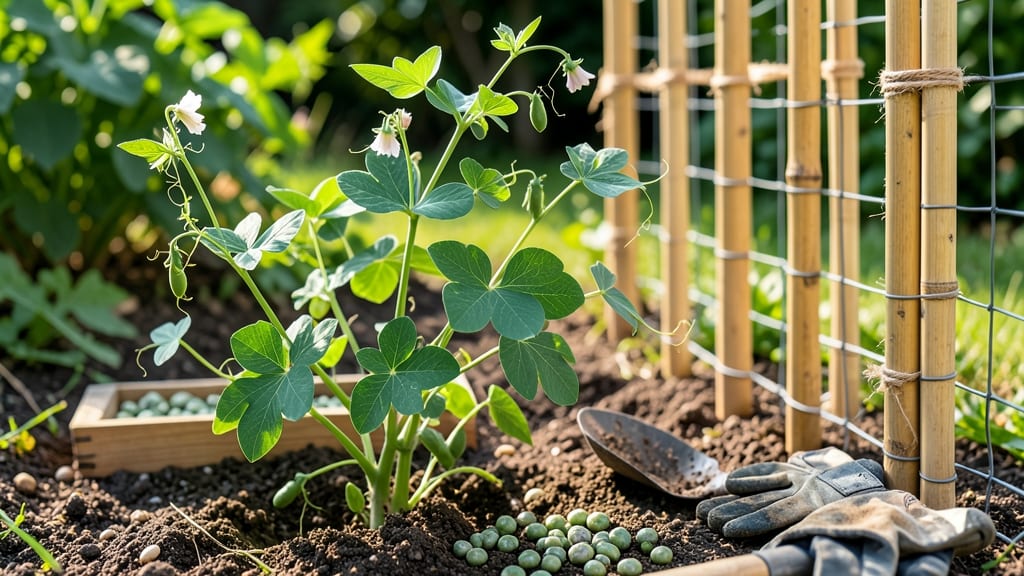
Planting English peas 🌱 at the wrong time in Zone 7 can mean the difference between a bountiful harvest and struggling seedlings. The key to success lies in understanding your local frost dates and soil temperatures—because these cool-weather lovers bolt faster than you can say "spring fever."
For gardeners in Zone 7, the best window opens in late winter, around January to early March, when soil temperatures hover between 40-50°F. This timing ensures your peas germinate quickly and avoid the heat stress that comes too early in spring.
But don't worry—even if you miss that window, there's still a chance for a fall crop.
What makes English peas unique is their ability to thrive in cooler conditions, making them one of the first crops you can plant each year. By following a simple schedule, you can enjoy fresh pods from May through July—just in time for summer salads.
Let me show you exactly how to time your planting for maximum yield.
Whether you're a seasoned gardener or just starting, these insights will help you avoid common mistakes and get the most out of your pea patch. Ready to grow peas that produce like crazy? Let's dive into the perfect planting schedule for Zone 7.

Best planting windows for English peas in Zone 7 (with frost tolerance guide)
English peas are one of the first cool-season crops I plant each year in Zone 7, and getting the timing right makes all the difference. Unlike heat-loving plants, peas thrive when soil temperatures hover between 40°F and 75°F—too warm, and they bolt; too cold, and germination stalls.
In my experience, the 4-6 weeks before your last frost date is the sweet spot for spring plantings, but fall can also work if you act fast.
Zone 7 gardeners have a unique advantage: we can plant peas in both early spring and late summer/fall. The key is understanding your average last frost date (typically around March 15 in most of Zone 7) and soil temperature trends.
For example, in my garden, I’ve found that soil reaches 50°F consistently by early February—perfect for sowing peas without worrying about frost damage to tender seedlings.
For spring plantings, I always check the 10-day forecast before sowing. If nighttime temperatures dip below 32°F, I protect seedlings with frost cloth or plant in a low-lying area where cold air settles less.
One year, I planted my peas on February 15 in my Zone 7 garden, and they germinated beautifully despite a 28°F night just 3 days later—the frost cloth saved them!
Fall plantings require even more precision. In Zone 7, our first frost typically arrives around November 15, but I aim to sow peas by mid-August to give them 8-10 weeks to mature.
The trick is choosing heat-tolerant varieties like 'Carouby de Maussane' or 'Lincoln' that can handle soil temperatures up to 85°F before bolting. I’ve also had success with shade cloth during scorching afternoons to keep soil cool.
Soil temperature is just as critical as air temperature. I use a soil thermometer to verify conditions before planting—peas won’t germinate well if soil stays below 40°F or above 80°F.
In my garden, I’ve noticed that black plastic mulch warms soil faster in spring, while straw mulch helps regulate temperatures in fall.
For example, in late March, my unmulched soil might be 55°F, but with black plastic, it reaches 65°F—too warm for peas, so I wait a few more days.
Don’t overlook the importance of succession planting to extend your harvest. In Zone 7, I make 3-4 successive plantings every 2-3 weeks from February through April. This ensures I have peas ready to harvest from late May through July.
The last planting goes in around mid-April, timed so the peas mature just as summer heat arrives—any later, and they’ll bolt before producing pods.
One common mistake I see is planting peas too early when soil is still cold and wet. This leads to rot or poor germination. To avoid this, I always wait until soil temperatures are consistently above 45°F at a 2-inch depth.
Another tip: soak pea seeds overnight before planting in cold soil—this jumpstarts germination. I’ve found that pre-soaked seeds sprout in 5-7 days even when soil is 40°F, compared to 10-14 days for dry seeds.
If you’re new to growing peas in Zone 7, start with dwarf varieties like 'Little Marvel' or 'Sugar Sprint'—they’re more forgiving for beginners and handle our unpredictable spring weather better than tall types.
For trellising, I use 5-foot bamboo stakes with twine, which gives vines plenty of support without taking up too much garden space. And remember: peas are nitrogen-fixers, so they don’t need heavy fertilization—just a light application of compost at planting time
How to extend the pea season in Zone 7: succession planting and cold protection tips
Zone 7 gardeners know that English peas love cool weather, but our unpredictable springs and summers can cut harvests short. The key to a longer pea season lies in succession planting and smart cold protection.
By strategically spacing out plantings and shielding tender seedlings, you can enjoy fresh peas from early spring through late summer.
Most gardeners focus on one spring planting, but succession planting every 2-3 weeks ensures a continuous harvest. Pair this with row covers or companion plants to shield young plants from late frosts or heat stress. Let’s break down the exact steps to maximize your pea production in Zone 7.
🌱 Zone 7 Pea Season Extension Plan
- Start with early sowings: Plant hardy varieties like 'Sugar Snap' or 'Green Arrow' 4-6 weeks before last frost (typically late February to early March in Zone 7).
- Add row covers: Use floating row covers to protect seedlings from late spring frosts (down to 20°F) and extend harvest by 2-3 weeks.
- Succession plant every 2 weeks: After the first harvest, sow new seeds every 14-21 days until mid-June to avoid summer bolting.
- Shade young plants: When temps rise above 80°F, provide 30% shade cloth to prevent heat stress and maintain sweetness.
- Plant companion crops: Interplant with radishes (which mark rows) or lettuce (which thrives in pea shade) to maximize space and protection.
- Try a fall crop: Sow cold-hardy varieties like 'Oregon Sugar Pod' 6-8 weeks before first frost (typically late August to early September) for a late harvest.
- Mulch heavily: Apply straw mulch (3-4 inches) to retain moisture and moderate soil temps during heatwaves.
Don’t let late frosts or summer heat ruin your pea harvest. Row covers are your best friend—lightweight fabric lets sunlight through while trapping warmth. For extra protection, use hoop tunnels or cold frames to create a microclimate.
These methods can push your harvest window by 4-6 weeks in both spring and fall.
Companion planting is another game-changer. Radishes grow quickly and mark your pea rows, while lettuce and spinach thrive in the partial shade peas provide. Avoid planting near onions or garlic, which can stunt pea growth. This smart pairing saves space and boosts yields.
For fall plantings, focus on cold-tolerant varieties like 'Lincoln' or 'Alaska'. These can handle light frosts and often produce sweeter pods in cooler weather. Time your last planting so peas mature before first frost (around mid-November in Zone 7). Use a row cover to extend this window even further.
With these strategies, you’ll enjoy fresh peas for months instead of just a few weeks. Start early, protect young plants, and keep succession sowing—your taste buds (and dinner plate) will thank you!