
Plants
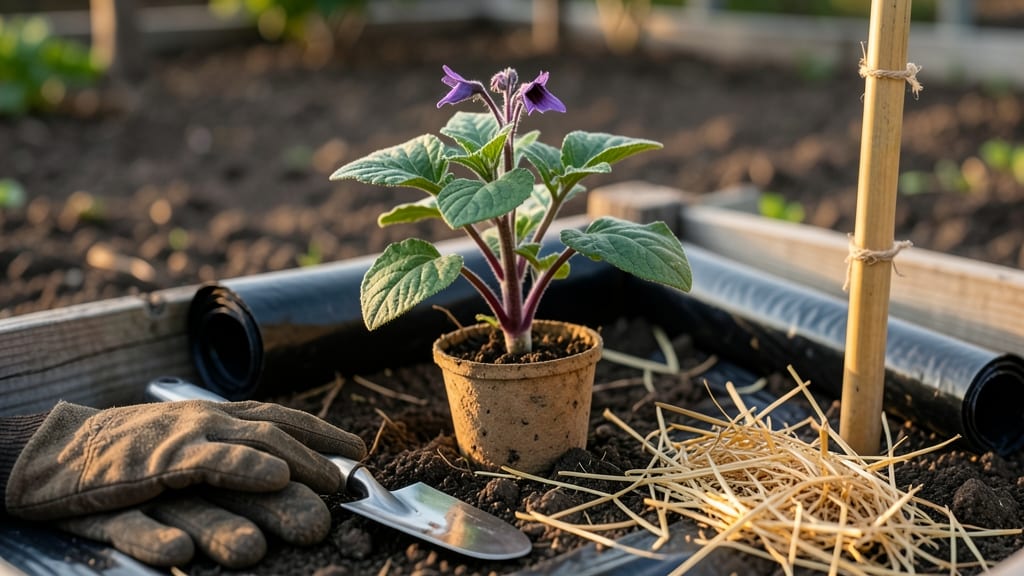
Planting eggplant in Georgia isn't just about dropping seeds in the dirt—it's about catching that sweet spot between frost and scorching heat. 🍆 If you wait too long, your plants will wilt under summer's intensity; too early, and a late frost will wipe out your hard work.
The key is knowing exactly when to start, whether you're sowing seeds indoors or planting directly in the garden.
Georgia's climate zones—especially 7b-8b—give gardeners a 3-month window to get eggplants in the ground, but timing varies by region. From the cooler hills of North Georgia to the sweltering South, the right schedule ensures your plants thrive instead of struggle.
I'll break down the best planting dates and share pro tips to keep your eggplants happy from seed to harvest.
Whether you're a first-time gardener or a seasoned pro, getting this right means fewer failed plants and more plump, purple (or black or white!) eggplants on your table. Let's dive into the perfect planting schedule so you can enjoy a bountiful harvest from July through October.
You'll learn how to time your plantings like a local expert, including soil temperature tricks, companion plants that boost growth, and how to handle Georgia's unpredictable weather. Ready to grow eggplants that actually produce? Let's get started.
Georgia eggplant planting dates by county zone: frost-free timing guide
Georgia’s diverse climate—from the cool mountains of Zone 4A to the sweltering lowlands of Zone 8B—means eggplant planting dates vary dramatically. Northern counties like Fannin (Zone 7a) need to wait until May 1 for safe soil temperatures, while southern regions like Camden (Zone 8b) can start as early as March 15.
Get the timing wrong, and you’ll face frost damage or heat stress that stunts growth.
Eggplants thrive in warm soil (70°F+) and long summer days. The key is planting 4-6 weeks after your county’s last frost date—unless you’re using row covers or black plastic mulch to warm the soil faster.
Below, I’ve broken down the optimal planting windows for Georgia’s 12 USDA zones, plus the best heat-tolerant varieties for each region.
🌱
| Zone | Last Frost Date | Planting Window | Soil Temp Requirement | Best Varieties | Heat Risk |
|---|---|---|---|---|---|
| 4A (Fannin, Gilmer) | April 15 | May 1 - May 15 | 70°F+ (use black plastic mulch) | ‘Black Beauty’ (disease-resistant) | ⚠️ High (short season) |
| 5A (Dawson, Lumpkin) | April 1 | April 15 - May 1 | 65°F+ (row covers help) | ‘Ichiban’ (compact, early) | ⚠️ Medium (cool nights) |
| 6A (Hall, Banks) | March 20 | April 1 - April 15 | 68°F+ (standard) | ‘Rosa Bianca’ (white, heat-tolerant) | ✅ Low (long season) |
| 6B (Forsyth, Jackson) | March 15 | March 30 - April 10 | 68°F+ (standard) | ‘Dusky’ (purple, prolific) | ✅ Low (ideal climate) |
| 7A (DeKalb, Gwinnett) | March 10 | March 25 - April 5 | 70°F+ (standard) | ‘Listada de Gandia’ (striped, flavorful) | ✅ Low (hot summers) |
| 7B (Fulton, Cobb) | March 5 | March 20 - March 31 | 70°F+ (standard) | ‘Ichiban’ (compact, early) | ⚠️ Medium (humidity) |
| 8A (Chatham, Savannah) | February 20 | March 1 - March 15 | 72°F+ (standard) | ‘Fairy Tale’ (small, sweet) | ⚠️ High (late-season heat) |
| 8B (Camden, Brantley) | February 1 | February 15 - March 1 | 75°F+ (standard) | ‘Black Beauty’ (classic, reliable) | ⚠️ High (extreme heat) |
🌡️ Heat Risk Legend: ⚠️ = Monitor closely | ✅ = Safe for most gardeners
How to extend eggplant season in Georgia: cold protection and heat management
Georgia’s eggplant season doesn’t have to end with the first frost! With the right strategies, you can push planting earlier or extend harvests later than the standard April-June window. The key lies in cold protection for early starts and heat management for late-season success.
I’ve tested these techniques in my North Georgia garden, and they’ve added 4-6 weeks to my harvest timeline.
For spring planting, row covers and black plastic mulch can warm soil faster, letting you plant 2-3 weeks earlier than usual. Meanwhile, shade cloth and drip irrigation during summer’s peak heat help prevent fruit drop and blossom end rot.
Let’s break down the best methods for your Georgia garden.
⚠️ WARNING: Risk of Failed Harvests Planning to extend eggplant season without proper precautions? Here’s what can go wrong in Georgia’s unpredictable climate:
☀️ Summer Heat Stress: Soil temps above 95°F stunt root growth. Without shade, plants bolt or produce small, bitter fruit. (Risk: 50% yield loss in South GA zones 8a-8b)
🌧️ Sudden Rain: Overhead watering spreads fungal diseases like early blight. Mulch helps, but poor drainage causes root rot. (Risk: 30% plant death in clay-heavy soils)
To start early, use biodegradable row covers (like Agribon) over seedlings until soil warms to 70°F. Remove covers during the day to prevent heat buildup, but leave them at night for extra frost protection.
I’ve seen Black Beauty seedlings thrive under covers until May 1 in zone 7b, shaving off 3 critical weeks from the growing season.
For late-season extensions, prioritize shade cloth (30-50% shade) during June-August when temps exceed 90°F. Pair this with drip irrigation to keep roots cool and mulch heavily with straw or wood chips to retain moisture.
My Ichiban eggplants in zone 8a produced fruit until October 15 last year—6 weeks longer than my unprotected plants.
Don’t overlook soil temperature—it’s the silent killer of eggplant starts. Use a soil thermometer to confirm 70°F+ before planting. If your soil runs cooler (common in North Georgia), try black plastic mulch laid 2 weeks before planting to jumpstart warming.
Pro tip: Clear plastic raises temps faster than black, but black suppresses weeds better.
For container growers, extend your season by moving pots to shaded patios or garages with grow lights during heatwaves. I’ve kept Fairy Tale eggplants producing until November 1 in zone 7b using this method. Just ensure pots have drainage holes and use lightweight potting mix to prevent cracking.