
How To
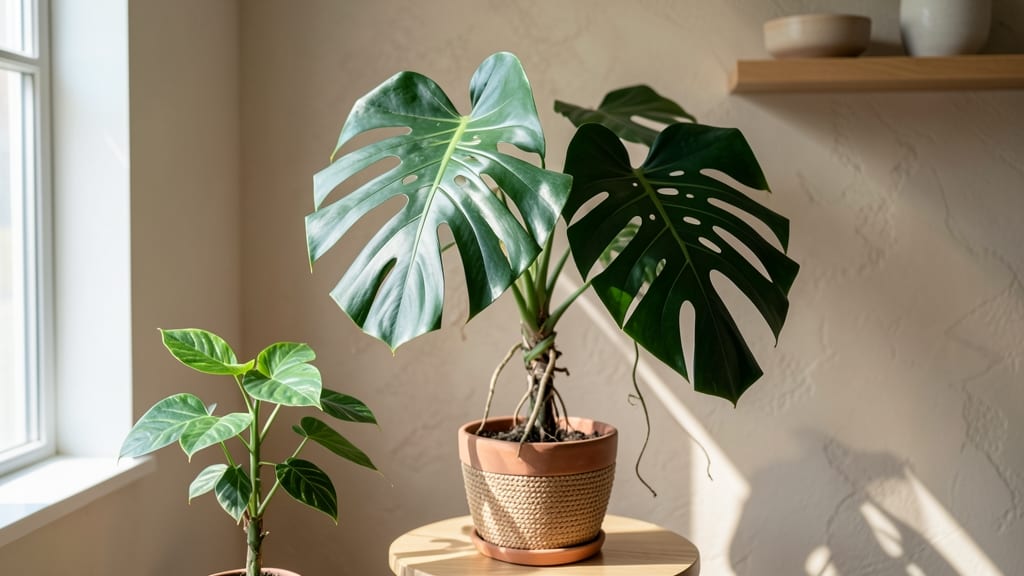
If your monstera plant needs how much light to thrive, you might be getting it all wrong. This tropical beauty thrives with bright indirect light—think dappled sunlight through a sheer curtain, not harsh midday rays.
Too little light, and your plant stretches awkwardly toward the window. Too much, and those gorgeous leaves develop crispy brown edges. The key is finding that sweet spot where your Monstera gets 6+ hours of filtered light daily—without burning.
Don’t worry if your home lacks perfect natural light. I’ll show you exactly how to spot the signs of poor lighting and fix them, plus the best artificial solutions to keep your plant happy year-round.
Let’s get your Monstera back to its lush, leafy best with these simple but powerful light strategies.

Ideal light requirements for Monstera plants by growth stage
Your Monstera deliciosa doesn’t just like light—it thrives on it, but with a twist. Unlike sun-worshipping succulents, Monsteras crave bright indirect light, especially as they mature.
The key? Understanding their growth-stage light needs to prevent leggy stems or crispy leaves. Let’s break it down so your plant grows lush, not stressed.
Juvenile Monsteras (under 2 years old) are the most forgiving. They’ll tolerate medium to low light—think 3-4 hours of indirect light daily—without turning into a sad, stretched-out vine.
But push them into mature growth (2+ years), and their light demands skyrocket. Suddenly, those 6+ hours of bright indirect light become non-negotiable for those iconic split leaves and variegation.
Here’s the golden rule: Juvenile Monsteras = light flexibility; mature Monsteras = precision lighting. Skip this, and you’ll end up with a plant that’s either leggy and weak or sunburnt with brown patches. Let’s dive into the exact light formula your Monstera needs at every stage.
| Growth Stage | Light Type | Daily Hours | Best Placement | Seasonal Adjustments |
|---|---|---|---|---|
| Juvenile (<2 years) | Bright Indirect | 3-4 hours | North-facing window or 3-4 ft from east/west window | Tolerates lower light in winter |
| Mature (2+ years) | Bright Indirect | 6+ hours | 2-3 ft from east/west window; avoid south-facing | Increase light in winter with grow lights |
| Variegated Varieties | Bright Indirect to Direct | 4-6 hours (direct) | 1-2 ft from east window; morning sun only | Needs more light to maintain variegation |
| Outdoor Monsteras | Dappled Shade | 6-8 hours | Under trees or pergolas; avoid full sun | Bring indoors before frost |
For juvenile Monsteras, start with a north-facing window or a spot 3-4 feet from an east or west window. This gives them enough light to grow without risking leaf scorch.
Think of it as their light training wheels. Rotate the pot quarter-turn weekly to ensure even growth—uneven light causes lopsided leaves.
When your Monstera hits mature stage, it’s time to upgrade its lighting. Move it to 2-3 feet from an east or west window, where it gets 6+ hours of bright indirect light.
South-facing windows? Use a sheer curtain to filter the harsh afternoon sun. Without this, those gorgeous leaves will develop brown crispy edges faster than you can say “sunburn.”
Seasonal shifts matter too. In winter, when daylight shrinks, supplement with a 12-hour grow light (LED bulbs work best). Place it 12-18 inches above the plant for 10-12 hours daily. This mimics summer light cycles and keeps your Monstera from getting leggy and sad.
Pro tip: Variegated Monsteras need even more light—their white patches can’t photosynthesize like green leaves, so they’re always light-hungry.
Outdoor Monsteras? Treat them like shade-loving vines. Plant them in dappled shade—think under a canopy of trees or a pergola where they get 6-8 hours of filtered light. Full sun will bleach their leaves and stunt growth.
And remember: Never leave them out in winter. Monsteras are tropical plants and can’t handle frost. Bring them indoors before the first 32°F night.
Watch for fenestration—those cool little holes in mature leaves—as your Monstera’s way of saying, “I’m thriving!” But if you see yellow leaves or stretched-out stems, it’s begging for more light.
On the flip side, brown patches or curling leaves mean it’s getting too much direct sun. Adjust its spot, and you’ll see the difference in 2-4
Signs your Monstera isn’t getting the right light (and how to fix it)
Your Monstera plant might look stunning, but if it’s struggling, light is usually the culprit. Too little light causes leggy growth and small leaves, while too much leads to brown patches and crispy edges.
The key is finding that bright indirect light sweet spot where your plant thrives without stress.
First, check your Monstera’s current location. If it’s near a south-facing window with harsh afternoon sun, those leaves will scorch. On the flip side, if it’s tucked in a dark corner, it’ll stretch toward any available light, creating weak stems and tiny leaves.
Both extremes send your plant into survival mode.
⚠️ callout warning ⚠️
- Yellow leaves? Move 2-3 ft away from direct sun immediately.
- Leggy stems? Rotate plant weekly for even bright indirect light.
- Brown tips? Increase humidity with a pebble tray or misting.
🌱 Pro Tip: Use a sheer curtain to diffuse harsh light while maintaining brightness.
One of the first signs your Monstera isn’t happy is yellowing leaves, especially on the lower stems. This usually means too much direct sunlight is burning the foliage. Check the leaf edges—if they’re crispy or brown, your plant is getting sunburned.
The fix? Move it to a shadier spot or add a sheer curtain to filter the light.
On the opposite end, if your Monstera has small, sparse leaves and long, bare stems, it’s stretching toward light. This etiolation happens when your plant isn’t getting enough light.
To correct this, place it near a bright, indirect light source, like an east-facing window. If natural light isn’t enough, consider adding a grow light for 6-8 hours daily.
Pay attention to the fenestration patterns—those natural holes in mature Monstera leaves. If these patterns are faint or missing, your plant isn’t getting enough light to develop properly.
Healthy Monsteras should have clear, defined slits in their leaves. If yours are pale or lack detail, it’s time to adjust its lighting.
Finally, slow growth is a red flag. If your Monstera is barely putting out new leaves, it’s likely light-deprived. Monsteras are tropical plants that need consistent brightness to thrive.
Try moving it to a sunnier spot or supplementing with a LED grow light. With the right light, you’ll see new growth within 4-6 weeks.
Remember, the goal is bright indirect light—think of it like a dappled forest floor. Your Monstera will reward you with larger leaves, healthier stems, and that coveted variegation when it gets the light it craves. 🌿