
Plants
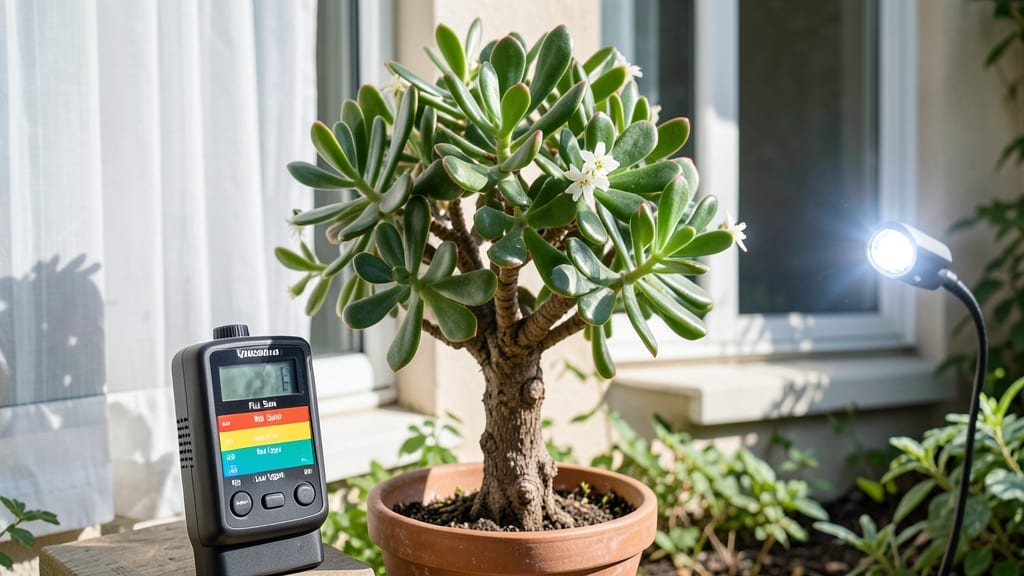
Wondering how much light does a jade plant require to stay happy? If your Jade Plant 🌿 keeps stretching toward the window or developing crispy edges, the answer lies in its light needs—too little sun weakens it, while too much scorches those thick, glossy leaves.
Jade Plants thrive in bright indirect light, but they can handle some direct morning sun. The key is finding that sweet spot where they get enough energy without turning into a sunburn victim.
I’ll show you exactly how to spot the signs and adjust their light exposure for perfect growth.
Whether you’re dealing with a south-facing window that’s too harsh or a dim corner that leaves your plant looking sad, I’ve got the solutions. We’ll cover seasonal tweaks too—because winter light is nothing like summer’s intensity. Let’s get your Jade Plant glowing with health!
By the end, you’ll know exactly where to place your plant, how to rotate it for even light, and what to watch for when things go wrong. Trust me, your Jade Plant will thank you with those iconic, plump leaves.


Jade plant light requirements: the ideal bright indirect sun balance
If your jade plant looks sad with stretched stems or brown leaf edges, the issue might be its light exposure. Jade plants (Crassula ovata) thrive in bright indirect light, but they’re sensitive to both too little and too much sun.
Understanding the perfect balance will transform your plant from struggling to stunning. Let’s break down the ideal conditions and how to spot when something’s off.
Jade plants are succulents, meaning they store water in their leaves and stems. This adaptation makes them sun-loving but also heat-sensitive. The key is providing morning sunlight while shielding them from the harsh afternoon rays that can scorch their leaves.
Think of it like giving your plant a gentle sunbath—just enough to keep it happy without frying it.
| Light Condition | Ideal Setup | Signs of Stress |
|---|---|---|
| Bright Indirect Light | East or North-facing window, 2-3 feet away | Healthy green leaves, compact growth |
| Morning Sun (6 AM - 12 PM) | South-facing window with sheer curtain | Leaves may develop slight red tint (normal) |
| Afternoon Sun (12 PM - 6 PM) | Avoid direct exposure; use shade cloth | Brown crispy edges, sunburn marks |
| Low Light (North Window or Artificial) | Grow light 6-8 inches above plant | Leggy stems, pale yellow leaves |
For indoor jade plants, an east-facing window is ideal because it provides gentle morning light without the intensity of afternoon sun. If you only have a south-facing window, place your plant 3-4 feet away and use a sheer curtain to diffuse the light.
This setup mimics the natural shade jade plants would get under a tree in their native South Africa.
In summer months, when the sun is strongest, your jade plant might need extra protection. If you notice yellowing leaves or white patches, it’s a sign of sunburn.
Move the plant to a spot with dappled shade or rotate it quarter-turns every few days to ensure even light exposure. This prevents one side from getting too much sun while the other stays in the dark.
Winter brings weaker sunlight, so your jade plant might start looking leggy or pale as it stretches toward any available light. This is your cue to supplement with a grow light for 12-14 hours per day.
A simple LED grow bulb placed 6-8 inches above the plant can make all the difference. If you don’t have a grow light, rotate the plant weekly to keep all sides evenly exposed.
Watch for leaf color changes as the most obvious sign of light issues. Dark green leaves with a slight blue-gray tint mean your plant is happy. Bright green or yellow leaves signal too much light, while pale or reddish leaves indicate insufficient light.
Another red flag is stretching stems—this happens when your plant is desperate for more light and grows tall and spindly to reach it.
If your jade plant develops crispy brown edges on its leaves, it’s a clear sign of sunburn. This often happens when a plant that’s been in low light suddenly gets too much direct sun.
To fix it, move the plant to a shadier spot immediately and avoid watering until the damaged leaves fall off. New growth will emerge healthier once the stress is removed.
For outdoor jade plants, the rules are similar but with a few adjustments. Place your plant in a spot that gets morning sun and afternoon shade, like under a perennial shrub or near a north-facing wall.
In USDA Zone 6 or warmer, jade plants can handle outdoor winters if protected from freezing temperatures and heavy rain. Bring potted jades indoors before temperatures drop below 50°F to prevent shock.
Remember, the goal is to mimic the natural habitat of your jade plant—a rocky, sunny environment with protection from intense heat. With the right light balance, your jade plant will reward you with thick, vibrant leaves and a compact, bushy shape.
Start with these guidelines, observe your plant’s response, and adjust as needed. Your jade plant will thank you with years of low-maintenance beauty! 🌿☀️🪴
How to adjust light for jade plants in different home setups
Finding the right light balance for your jade plant can feel like solving a puzzle—especially when your home setup doesn’t offer perfect conditions. These succulents thrive in bright indirect light, but too little causes leggy growth, while too much leads to sunburned leaves.
The good news? With a few simple adjustments, you can create ideal conditions whether you're in a low-light apartment or a sun-drenched conservatory.
Your jade plant’s light needs change with the seasons too. In summer months, harsh afternoon sun can scorch leaves, while winter’s weaker light might make them stretch toward any available brightness. Let’s explore how to tweak your setup to keep your plant happy year-round, whether indoors or outdoors.
Natural vs. Artificial Light for Jade Plants
| Light Source | Pros | Cons | Best For |
|---|---|---|---|
| East/West Windows | Gentle morning light, no harsh afternoon sun | Limited light in winter months | Year-round indoor growth |
| South-Facing Windows | Strongest natural light | Risk of sunburn in summer | Summer outdoor placement |
| LED Grow Lights | Full-spectrum light, adjustable intensity | Higher upfront cost | Low-light homes or winter months |
| Reflective Surfaces | Boosts natural light without direct sun | Limited effectiveness in dark rooms | North-facing windows or dim corners |
If your home lacks natural light, LED grow lights are your best bet. Opt for full-spectrum bulbs that mimic sunlight, and place them about 6-12 inches above your jade plant. Run them for 12-14 hours daily to mimic summer conditions.
For a budget-friendly fix, try reflective surfaces like mirrors or white-painted walls to bounce light toward your plant—this works surprisingly well in north-facing rooms.
In high-light situations, like south-facing windows, use sheer curtains to diffuse intensity. Rotate your plant quarter-turns weekly so all sides get even exposure, preventing lopsided growth. For outdoor jade plants, partial shade (3-4 hours of morning sun) is ideal, while full sun exposure risks burning those thick, glossy leaves.
Outdoor growers can leverage seasonal changes: Move potted jade plants to partial shade during peak summer hours, then bring them back into full sun as temperatures cool. In winter months, supplement natural light with a grow lamp to prevent leggy growth—a classic sign of light deprivation.
Remember, your jade plant’s health is a direct reflection of its light conditions. Watch for color changes (deep green is happy, pale yellow means too much sun) or stretched stems (a cry for more light).
With these adjustments, you’ll have a thriving jade plant that’s the envy of every plant lover—indoors or out! 🌿