
How To
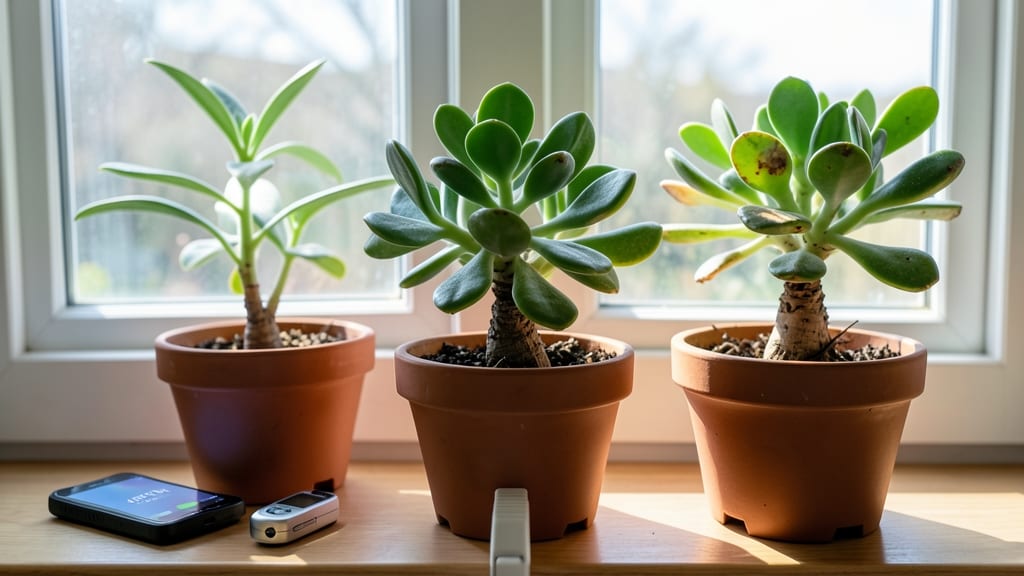
If you’re wondering how much light does a jade plant need, the answer is simple: these succulents thrive in bright, indirect sunlight—4 to 6 hours a day—but too much direct sun can scorch them, while too little leaves them leggy and weak.
I’ve seen firsthand how a little adjustment in placement can transform a struggling Jade Plant into a lush, healthy centerpiece. The key is finding that sweet spot between too much and too little—whether you’re dealing with a sunny south-facing window or a dim corner of your home.
In this guide, I’ll break down exactly how to spot light issues, where to place your Jade Plant for optimal growth, and even how to supplement natural light with grow lights if needed. No more guesswork—just vibrant, thriving foliage.
Let’s dive into the simple secrets to keeping your Jade Plant happy and full of life year-round.


Optimal light requirements for jade plants: bright indirect sun explained
If you’ve ever watched your jade plant stretch toward the window like a sunflower or develop pale, weak leaves, you’re not alone. These succulents thrive on bright indirect light, but getting the balance right can feel like solving a puzzle.
Too little light, and your plant becomes leggy; too much, and it burns. Let’s break down exactly how much light a jade plant needs and how to create the perfect conditions for it to flourish.
Jade plants (Crassula ovata) are native to South Africa’s dry, rocky regions, where they bask in morning sun and filtered afternoon light. In your home, this translates to 4-6 hours of bright, indirect sunlight daily.
Think of it as giving your plant a sunny patio with shade—not the harsh glare of a midday desert sun. This ideal light exposure helps them maintain their thick, vibrant leaves and compact growth habit.
| Light Requirement | Specification | Ideal Conditions |
|---|---|---|
| Daily Sunlight | 4-6 hours | East or west-facing window |
| Light Type | Bright indirect | Morning sun + afternoon shade |
| Direct Sun Tolerance | 1-2 hours max | Avoid midday sun in summer |
| Low-Light Signs | Leggy growth | Move closer to window |
| Overlight Signs | Brown patches | Use sheer curtain |
For indoor jade plants, the best windows are east or west-facing, where they receive gentle morning or late-afternoon sun without the intense midday rays. A south-facing window can work, but you’ll need to filter the light with a sheer curtain to prevent burning.
If your home lacks natural light, don’t worry—grow lights can be a lifesaver. A full-spectrum LED grow light placed 6-12 inches above your plant for 12-14 hours daily mimics natural sunlight perfectly.
Seasonal changes also play a role in your jade plant’s light needs. During summer months, when sunlight is most intense, reduce direct exposure to 1-2 hours max to avoid leaf scorch.
In winter, when days are shorter, supplement with a grow light or rotate your plant to give all sides equal access to available light. This rotation ensures even growth and prevents your plant from leaning toward one source of light.
One common mistake I see is placing jade plants in dim corners or under fluorescent office lights, which provide insufficient light. If your plant starts to stretch (a condition called etiolation), it’s begging for more light.
Another red flag is yellowing leaves, which can signal either too much water or insufficient light. To diagnose, check the soil moisture first—if it’s dry, the issue is likely light-related. Move your plant to a brighter spot immediately and watch for improvement within 2-3 weeks.
If you’re unsure whether your space meets the 4-6 hours of bright indirect light requirement, try this quick test: Hold a piece of white paper near your plant’s location. If the light casts a sharp shadow, it’s likely too direct.
If the paper appears dimly lit, your plant needs a sunnier spot. For low-light apartments, consider placing your jade plant on a south-facing bookshelf or near a skylight, where it can still receive ample indirect light.
Outdoor jade plants also need adjustments. If you’re growing yours in a container on a patio, start with morning sun and gradually introduce afternoon shade as temperatures rise.
In USDA Zone 9 and above, where winters are mild, jade plants can thrive outdoors year-round with partial shade during peak summer heat. For colder climates, bring potted jade plants indoors before the first frost or provide protection from freezing temperatures.
Remember, jade plants are low-maintenance once their light needs are met. With the right bright indirect light, they’ll reward you with thick, glossy leaves and a compact, bushy shape.
If you notice your plant struggling, don’t hesitate to adjust its position—light is the foundation of healthy jade plant growth. With these tips, your plant will thrive for years to come.
How to tell if your jade plant has the right light (or needs adjustment)
Your jade plant’s leaves tell a story about its light conditions. Pale green or yellowing leaves often mean it’s not getting enough bright indirect light, while crispy edges or reddened patches signal too much direct sun. These visual cues are your first clues for adjustment—let’s decode them.
Start by examining the leaf color. Healthy jade leaves should be a rich, glossy green. If they’re turning yellow or pale, your plant is stretching toward light—a sign of etiolation. On the flip side, red or brown tips mean sunburn from harsh rays.
🌱
⚠️ Light Warning for Jade Plants
Jade plants need 4-6 hours of bright indirect light daily. Too little causes stretching, while too much leads to sunburned leaves. East or west windows are ideal—avoid harsh midday sun.
Check for stretching stems, another red flag. If your plant looks like it’s reaching upward with long, leggy growth, it’s desperate for more light. This etiolation weakens the plant and makes it prone to falling over. Rotate the pot quarter-turns weekly to ensure even growth.
For crispy edges or dry patches, move your jade to a spot with filtered sunlight. Use a sheer curtain to diffuse harsh rays if needed. If indoors, 2-3 feet from an east-facing window is perfect—morning sun is gentler than afternoon heat.
Outdoor jade plants need partial shade in summer. If you notice white or brown spots, relocate it to a spot with dappled sunlight or bring it indoors for a few hours. Artificial grow lights (LED or fluorescent) can supplement light in low-light spaces.
Adjust gradually! Sudden changes can shock your plant. If moving indoors, acclimate it over 1-2 weeks by increasing shade outdoors first. Watch for improvements in leaf thickness and color vibrancy—these are signs your adjustments are working!
☀️