
How To
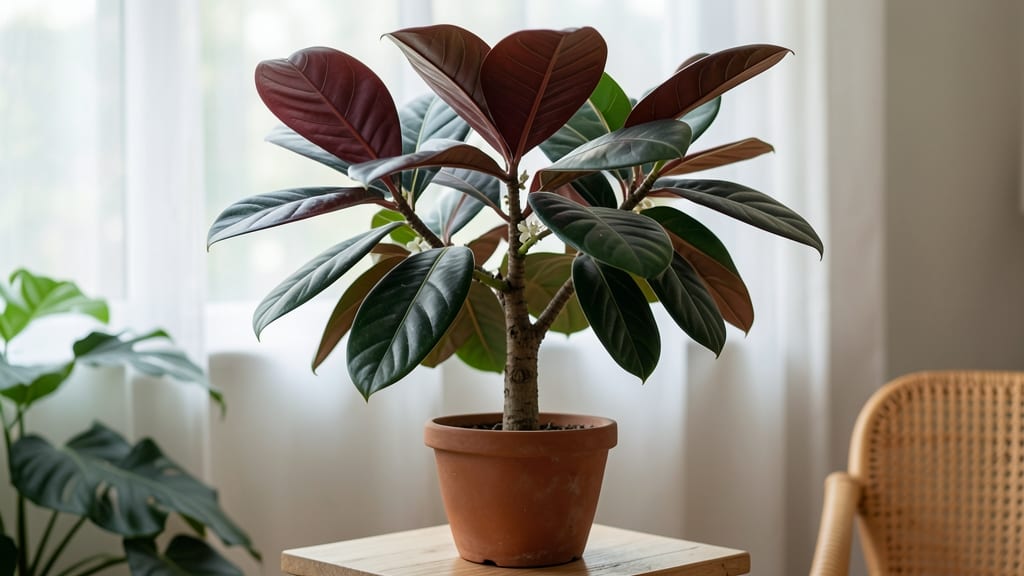
Wondering how tall your rubber plant 🌿 could grow—or whether it’ll become a ceiling-crushing giant? The answer depends on more than just time, and the good news is, you have control over its height with the right care.
Rubber plants (Ficus elastica) are known for their bold, glossy leaves and dramatic presence, but their mature height can vary wildly—from 3 feet in compact varieties to a towering 10 feet in standard types.
Whether you’re dreaming of a statement centerpiece or a manageable tabletop plant, understanding the factors that influence growth is key.
Light, water, soil, and pruning all play a role in determining how tall your rubber plant will become. With the right balance, you can encourage healthy vertical growth or keep it compact—without sacrificing its striking beauty. Let’s break down exactly what to expect and how to shape your plant’s future.
From dwarf varieties that stay under 3 feet to standard types reaching 10 feet, we’ll cover everything you need to know to grow the perfect-sized rubber plant for your space—no guesswork required.

Rubber plant height by variety: exact growth expectations
Rubber plants (Ficus elastica) are famous for their bold foliage and dramatic growth potential, but their mature height varies wildly depending on the variety. Some stay compact enough for a bookshelf, while others can become ceiling-height giants with proper care.
Understanding these differences helps you choose the perfect plant for your space—and manage its growth effectively.
Most rubber plants reach maturity between 3 to 10 feet, but their growth rate and final height depend on genetics, light exposure, and pruning habits. For example, a variegated variety like 'Tineke' might stay shorter than a solid green type like 'Robusta' under identical conditions.
Let’s break down the exact expectations for popular varieties, so you can plan your space accordingly.
If you’re working with limited space, variegated varieties like 'Tineke' or 'White Knight' are excellent choices—their slower growth and bushier habit make them ideal for tables or shelves.
Meanwhile, solid green types like 'Robusta' or 'Burgundy' thrive in larger rooms or as floor plants, where they can reach their full height potential.
Light exposure plays a critical role in height. Rubber plants grown in bright indirect light (like an east-facing window) will grow taller and leggier, while those in lower light may stay shorter but develop smaller leaves.
For example, a 'Robusta' in a sunroom might hit 10 feet in 5 years, while the same plant in a dim corner could max out at 6 feet.
Pruning is another tool to control height. Regularly trimming the top growth encourages bushier growth, while leaving the plant unpruned allows it to grow taller.
For instance, if you prune a 'Black Prince' back by one-third annually, you’ll maintain a 4–5 foot height instead of letting it reach 8 feet. Just be sure to propagate the cuttings—rubber plants root easily in water!
Container size also affects height. Rubber plants in smaller pots (under 12 inches) will grow slower and stay shorter, while those in large containers (18+ inches) can reach their maximum height.
If you’re growing a 'Robusta' in a 14-inch pot, expect it to hit 8 feet in ideal conditions, but in a 10-inch pot, it may only reach 5 feet.
For a real-world example, imagine placing a 'Burgundy' rubber plant near a 10-foot ceiling. With proper care—bright light, occasional pruning, and well-draining soil—it could grow tall enough to brush the ceiling in 4–5 years.
However, if you prune it back every 6 months, you’ll keep it at a manageable 5–6 feet, perfect for a living room centerpiece.
Remember, rubber plants are slow to mature in their first year, with most varieties only
How to control rubber plant height: pruning and growth hacks
Want to keep your rubber plant (Ficus elastica) as a compact tabletop centerpiece or encourage it to grow into a towering indoor tree? The key lies in pruning techniques and strategic growth adjustments.
Unlike many houseplants, rubber plants respond well to pruning, allowing you to shape their height and fullness. Whether you're dealing with a 3-foot dwarf variety or a 10-foot giant, these methods will help you achieve your desired look.
First, understand that rubber plants grow 1-2 feet per year under ideal conditions. With proper care, you can influence their growth rate by adjusting light exposure, pruning frequency, and even their support structures.
The good news? You don’t need a green thumb—just a few simple tools like sterilized pruning shears and a little patience. Let’s dive into the step-by-step process to control your rubber plant’s height like a pro.
-
Step 1: Choose Your Desired Height
Decide whether you want a compact plant (3-5 ft) or a tall specimen (6-10 ft). This determines your pruning approach.
-
Step 2: Prune for Compact Growth
Cut back 1/3 of the stem just above a leaf node using sterilized shears. This encourages bushier growth and prevents legginess.
-
Step 3: Use Support for Tall Growth
For towering plants, install a bamboo stake or trellis to support the stem. Tie the main stem gently with soft plant ties to guide vertical growth.
-
Step 4: Adjust Light Exposure
Place your plant near an east or north-facing window for slower, controlled growth. Avoid direct southern sunlight, which can cause rapid, leggy growth.
-
Step 5: Propagate Cuttings
Use pruned cuttings to create new plants. Dip the cut end in rooting hormone and place in well-draining soil to encourage root growth.
-
Step 6: Rotate for Even Growth
Rotate the pot quarter-turns every 2 weeks to ensure even light exposure and prevent lopsided growth.
-
Step 7: Monitor and Repeat
Check your plant’s growth every 3-4 months and adjust pruning or support as needed. Consistency is key to maintaining your desired height.
One of the most effective ways to control height is through pruning. When you prune your rubber plant, you’re not just shaping its appearance—you’re also encouraging lateral growth, which creates a fuller, bushier plant.
For example, if your rubber plant is growing too tall for its space, simply snip off the top 2-3 inches above a leaf node. This will stimulate new branches to grow from the cut, giving you a more compact shape.
If you’re aiming for a tall, tree-like rubber plant, focus on supporting the main stem. Use a bamboo stake or moss pole to guide the plant upward. Gently tie the stem to the support every 6-8 inches as it grows.
This method mimics the plant’s natural growth habits and helps it reach impressive heights without becoming top-heavy or unstable. Just remember to use soft ties that won’t damage the stem as it thickens.
Light plays a crucial role in controlling your rubber plant’s growth rate. While these plants tolerate low-light conditions, they grow much faster in bright, indirect light.
If you want to slow down growth and keep your plant smaller, place it in a spot with moderate light, like a few feet away from an east-facing window.
For faster growth, move it closer to a south or west window, but avoid direct sunlight, which can scorch the leaves.
Finally, don’t forget that propagating cuttings is a great way to manage height while expanding your plant collection. Every time you prune, you can root the cuttings in water or soil to grow new rubber plants.
This not only keeps your original plant at your desired height but also gives you extra plants to share or display. Just ensure your cuttings have at least 2-3 nodes for successful rooting.
With these pruning and growth hacks, you’ll have full control over your rubber plant’s height, whether you’re aiming for a tabletop-sized beauty or a room-filling giant.
The key is consistency—regular pruning, proper support, and the right light conditions will keep your plant healthy and shaped just the way you want it. Happy gardening! 🌿