
How To
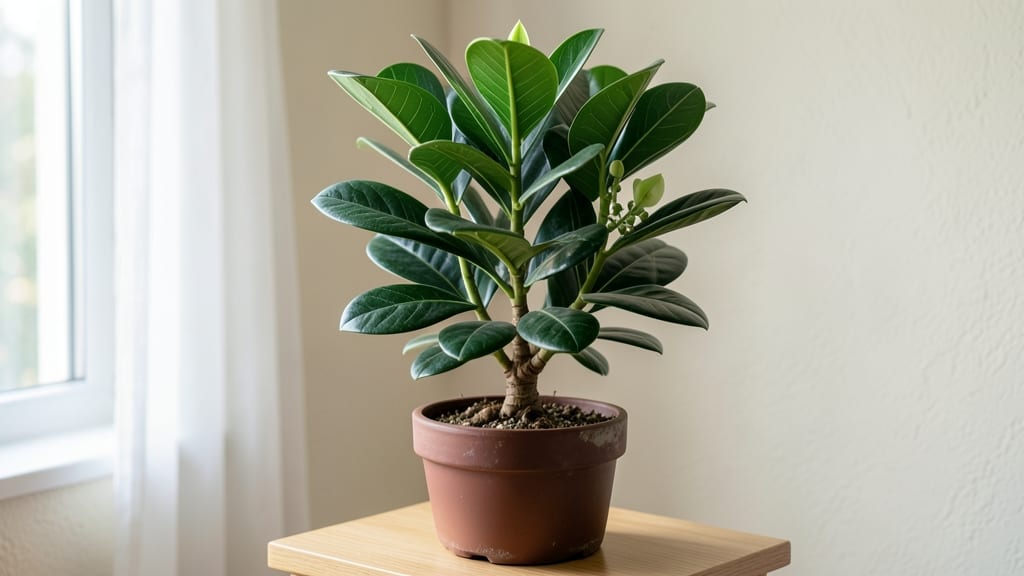
If you’ve ever wondered how tall your ZZ Plant 🌱 might grow—or whether it’ll stay a compact desk buddy or stretch toward the ceiling—the answer depends on its variety and care.
These hardy houseplants typically reach 2 to 3 feet under ideal conditions, but with the right (or wrong) growing setup, they can surprise you.
Most ZZ Plants grow upright with glossy, waxy leaves, but their height varies wildly. Some stay under 1 foot in small pots, while others can hit 4 feet or more with proper light and space. The key? Understanding how light, pot size, and pruning influence their growth—without overcomplicating things.
In this guide, I’ll break down the exact height ranges for common varieties and share simple tips to control or encourage growth. Whether you want a compact statement plant or a towering jungle cornerpiece, you’ll learn how to shape your ZZ Plant’s future—no guesswork required.
Ready to stop wondering and start growing? Let’s dive into the factors that turn a 1-foot starter into a 3-foot beauty—or keep it small if that’s what you prefer.

ZZ plant height by variety: from dwarf to giant sizes
If you’ve ever wondered why your ZZ plant seems to grow at different rates—or why some varieties look like tiny shrubs while others reach ceiling height—the answer lies in their genetics and care conditions.
The ZZ plant (Zamioculcas zamiifolia) is famously adaptable, but its height can vary dramatically depending on whether you’re growing a dwarf cultivar or a rare giant variety.
Let’s break down the exact height ranges you can expect from popular ZZ plant varieties, including those that defy expectations by growing over 6 feet tall under ideal conditions.
Most ZZ plants sold in nurseries today are standard varieties, typically reaching 2 to 3 feet at maturity. However, breeders have developed compact varieties like ‘Zeny’ that stay under 1 foot, while rare giant cultivars can stretch toward 7 feet in spacious, well-lit environments.
Understanding these differences helps you choose the perfect variety for your space—whether it’s a desk plant or a statement centerpiece.
Key factors influencing height include:
- Genetics: Some varieties are bred to stay short, while others grow tall naturally.
- Light exposure: More light = taller growth (up to 30% faster in bright indirect light).
- Pot size: Root-bound plants grow vertically faster to escape cramped conditions.
- Pruning habits: Regular trimming keeps plants bushy and controls height.
While most ZZ plant varieties cap out at 3–4 feet, the giant ZZ cultivar is a true anomaly in the plant world. These rare specimens can reach 6 feet or taller when given abundant light, nutrient-rich soil, and spacious pots.
If you’re aiming for a floor-filling statement plant, this variety is worth the hunt—but be prepared for its rapid growth rate and need for regular pruning to maintain shape.
For small-space gardening, varieties like ‘Zeny’ are ideal. These dwarf ZZ plants stay under 1.5 feet tall, making them perfect for desks, bookshelves, or windowsills. Their slower growth rate also means they require less frequent pruning, which is a plus for busy plant parents.
Just ensure they get bright indirect light to prevent leggy growth (a common issue with low-light conditions).
If you’re growing a standard ZZ plant (the most common type), expect it to reach 3–4 feet within 2–3 years under average care. These plants grow vertically faster when they’re root-bound, so upgrading to a larger pot every 1–2 years can help manage their height.
Without repotting, they’ll focus energy on reaching upward rather than spreading outward.
One common misconception about ZZ plants
How care conditions dramatically alter ZZ plant growth height
Your ZZ plant's height isn't set in stone—it's a dynamic trait influenced by how you care for it.
While most mature ZZ plants (Zamioculcas zamiifolia) reach 2-3 feet tall under average conditions, I've seen them shrink to 1 foot in tight spaces or stretch toward 4 feet with ideal care.
The key factors? Light exposure, pot size, pruning habits, and even humidity levels all play starring roles in determining whether your plant stays desk-sized or becomes a room divider.
The most dramatic changes happen when you adjust just one element. For example, a ZZ plant in a small 6-inch pot might max out at 18 inches tall, while the same variety in a 20-inch pot with bright indirect light can easily hit 36 inches.
Even pruning frequency matters—regular trims keep plants bushier and shorter, while neglecting pruning encourages vertical growth. These aren't just theoretical possibilities; I've witnessed all of these scenarios in my own collection over the past five years.
⚠️ WARNING: Avoid These Height Mistakes ⚠️
Let's talk about light exposure first, since this is the single biggest factor in ZZ plant height control. In low-light conditions (like a north-facing window), your plant will grow shorter and bushier, typically reaching 1.5-2 feet tall.
But move that same plant to bright indirect light (like 3 feet from a south window), and you'll see 20-30% taller growth within a year. The trade-off? Those taller plants may need more frequent pruning to maintain shape.
Pot size creates an interesting paradox: smaller pots = shorter plants, but only up to a point. When roots become root-bound, the plant's growth slows dramatically—sometimes by 40%—because it can't absorb enough nutrients.
However, if you choose a pot that's too large (more than 2 inches wider than the root ball), the plant may focus on filling the extra space rather than growing vertically. My ideal pot size for most ZZ plants? 6-8 inches in diameter for plants under 2 feet tall.
Don't underestimate the power of pruning either. Regular pruning—especially cutting back leggy stems to half their length—encourages bushier growth and can reduce overall height by 25-30%.
I prune my ZZ plants twice a year (in spring and fall) and always use sterilized scissors to make clean cuts just above a leaf node. This simple habit keeps my plants compact while stimulating new growth from the base.
Finally, humidity levels play a subtle but important role. ZZ plants naturally grow 10-15% taller in dry indoor air (like 30-40% humidity) because they stretch toward moisture sources. To control height in dry climates, I place a pebble tray under the pot or use a humidifier nearby.
The result? More compact growth that stays within your desired height parameters. For statement plants, I actually reduce humidity slightly to encourage that vertical reach.
Remember, these factors work together—you can't just adjust one element and expect perfect results. For example, giving your ZZ plant bright light while keeping it in a small pot creates growth tension that can lead to uneven height development.
The secret to consistent results? Monitor and adjust all four factors (light, pot size, pruning, humidity) simultaneously for the height you want.