
Plants
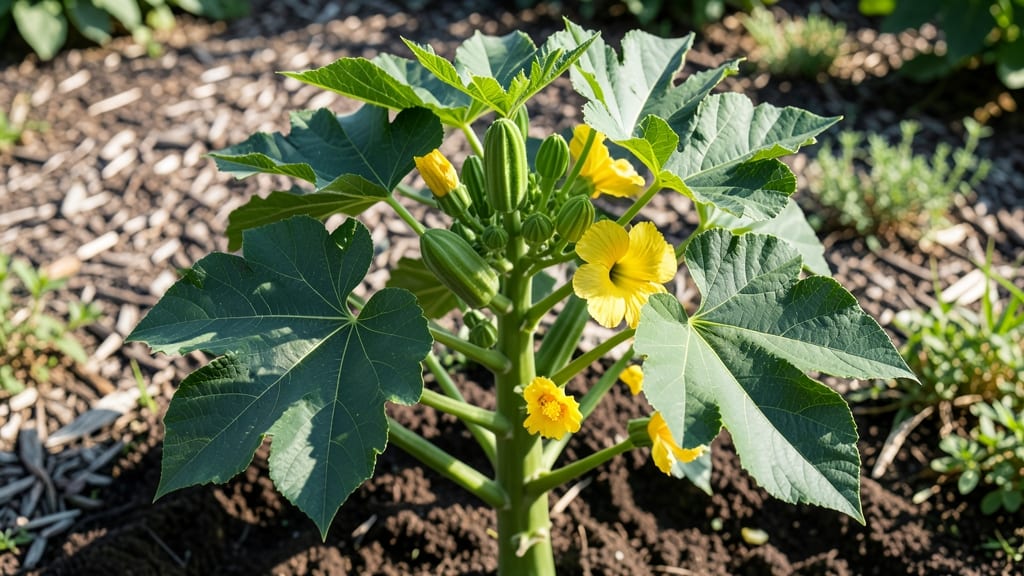
Wondering how tall your okra plants will grow? The answer might surprise you—okra 🌱 can shoot up anywhere from 4 to 10 feet, depending on the variety and growing conditions.
If you're planning your garden layout, knowing these height ranges is the key to giving your plants the space (and support) they need to thrive.
Some varieties stay compact, perfect for small gardens or containers, while others reach towering heights that might need trellising. Whether you're working with limited space or dreaming of a lush, productive patch, understanding these differences will help you choose the right spot and support for your plants.
In this guide, I’ll break down the height ranges of popular okra varieties and share practical tips for managing growth—whether that means staking, pruning, or spacing plants just right. By the end, you’ll know exactly how to encourage healthy, productive okra that fits your garden perfectly.
Ready to grow okra like a pro? Let’s dive into the details so you can enjoy a bountiful harvest without the guesswork.

Okra plant height ranges by popular varieties (with visual comparison)
Understanding okra plant height is essential for planning your garden layout and choosing the right variety for your space. Okra plants can range from compact bush varieties under 4 feet to towering vining types reaching 10 feet or more.
The variety you select will directly impact your garden's design, support needs, and even harvest accessibility.
Most gardeners choose okra varieties based on their space constraints and preferred harvesting ease. For example, dwarf varieties like 'Burgundy' thrive in containers or small plots, while standard varieties like 'Clemson Spineless' dominate larger garden beds.
Let's explore the height ranges of popular okra varieties and how they grow differently in your garden.
| Variety | Height Range | Growth Habit | Best For | Days to Maturity |
|---|---|---|---|---|
| Burgundy | 3-5 feet | Bush | Containers, small gardens | 50-55 days |
| Emerald | 4-6 feet | Semi-bush | Balconies, raised beds | 55-60 days |
| Clemson Spineless | 6-10 feet | Vining | Large gardens, trellises | 55-65 days |
| Jinchan | 5-8 feet | Semi-vining | Hot climates, long seasons | 60-70 days |
| Arkansas Little Light | 4-5 feet | Bush | Short seasons, cool areas | 50-55 days |
| Blueboy | 5-7 feet | Semi-bush | Urban gardens, trellises | 55-60 days |
The Burgundy variety is my go-to for small spaces because it stays under 5 feet tall while producing abundant pods. Its bush growth habit makes it perfect for containers or tight garden corners.
If you're working with limited vertical space, this variety eliminates the need for trellising while still delivering a high yield per square foot.
For larger gardens, the Clemson Spineless variety reaches 6-10 feet tall and benefits from staking or trellising. This vining type produces longer pods and thrives in warm climates. I've found that providing a 4-foot tall trellis gives these plants the support they need while keeping pods accessible for easy harvesting.
When choosing between bush and vining okra varieties, consider your garden's layout and maintenance preferences. Bush types like Arkansas Little Light grow 4-5 feet tall and require minimal support, while vining types like Jinchan can reach 8 feet without proper guidance.
The right choice depends on whether you prioritize space efficiency or maximum pod length.
Okra's height also affects its harvesting convenience. Taller varieties may require sturdy stools or ladders to reach the upper pods, while shorter varieties keep harvests at waist level. I recommend planting shorter varieties near walkways for easier access during your morning garden routine.
Another factor influencing height is your climate zone. In hotter regions like USDA Zone 9 or 10, okra plants tend to grow taller and faster due to longer growing seasons.
In cooler climates, varieties like Emerald (4-6 feet) perform better and mature more quickly. Always check the days to maturity when selecting varieties for your specific growing conditions.
If you're growing okra in containers or raised beds, opt for dwarf or semi-dwarf varieties like Burgundy or Blueboy. These stay under 6 feet tall and adapt well to 5-gallon containers with proper drainage.
For in-ground planting, consider the mature plant height when determining spacing—typically 18-24 inches apart for bush types and 3-4 feet apart for vining varieties.
Remember that pruning practices can also influence height. Pinching back the top growth of young plants encourages bushier growth, while allowing vining types to grow freely results in taller plants. I've had success with light pruning to redirect energy toward pod production rather than excessive height.
For visual reference, imagine the tallest okra varieties reaching the height of a basketball ho
How to support tall okra plants: trellising, pruning & space-saving tips
Tall okra plants can reach 6 to 10 feet if left unchecked, making them perfect candidates for vertical gardening in small spaces. Without proper support, these fast-growing plants can topple over, especially in windy conditions or when heavily laden with pods.
The key to managing their height lies in strategic trellising, pruning techniques, and optimal spacing—all of which boost yield and garden organization.
I’ve found that bamboo stakes or heavy-duty trellis netting work best for okra because they’re sturdy enough to handle the plant’s woody stems and rapid growth. For container gardeners, cage-like trellises or even repurposed tomato cages can provide the necessary support without taking up extra space.
The goal is to guide the plant’s vertical growth while keeping pods accessible for easy harvesting.
Step-by-Step Guide to Supporting Tall Okra
- Step 1
- Step 2
- Step 3
- Step 4
- Step 5
Pruning isn’t just about controlling height—it’s also about improving air circulation, which reduces the risk of powdery mildew and other fungal diseases. I recommend removing yellow leaves and deadheading spent flowers to redirect the plant’s energy toward pod production.
For compact varieties like ‘Burgundy’ or ‘Emerald,’ minimal pruning is needed, but tall varieties like ‘Clemson Spineless’ benefit greatly from regular trimming.
In my small urban garden, I’ve successfully grown 6-foot-tall okra plants in 5-gallon containers using cage trellises and weekly pruning. The key was consistent watering (deep soaks every 3-4 days) and morning sunlight exposure to prevent leggy growth.
With these techniques, even limited-space gardeners can enjoy a bountiful okra harvest without sacrificing yard space.
Remember, okra thrives on neglect but responds beautifully to gentle guidance. Whether you’re using DIY trellises or store-bought supports, the goal is to harness the plant’s natural growth habit while keeping your garden organized and productive.
Start small, experiment with different supports, and watch your okra plants reach their full potential—without taking over your garden! 🌱