
Plants
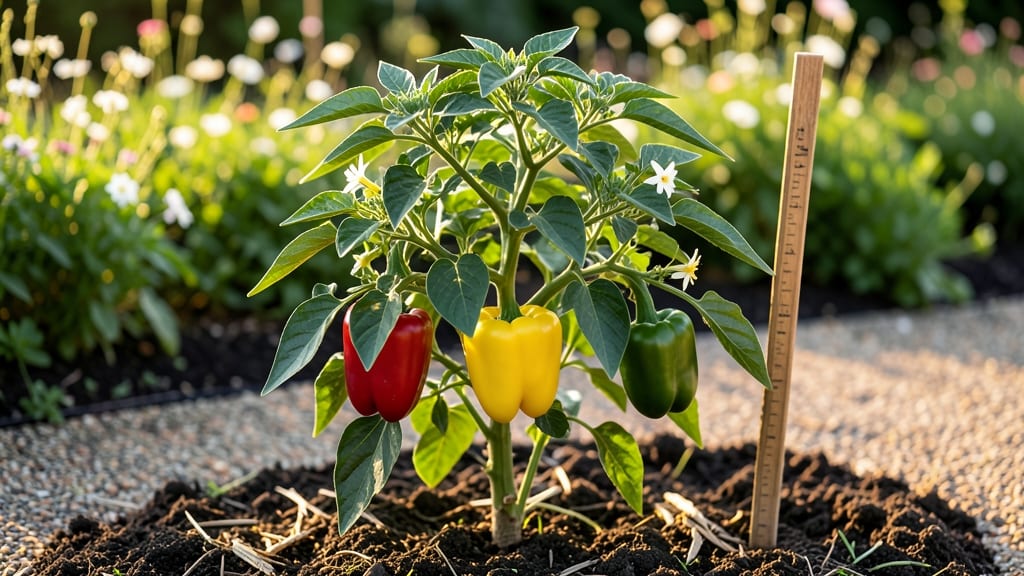
If you're planning your garden layout this spring, knowing how tall bell pepper plants grow could save you from overcrowding or wasted space. These versatile 🌶️ varieties range from compact 12-inch dwarfs to towering 4-foot giants, and the right choice depends on your space and goals.
Most standard bell pepper plants reach 2-3 feet tall, making them perfect for in-ground gardens or large containers. But some varieties, like 'Jupiter,' can stretch up to 4 feet—so if you're short on space, dwarf types like 'Lunchbox' (just 18 inches) might be your best bet.
Whether you're working with a small balcony or a spacious backyard, understanding these height differences helps you space plants properly—typically 18-24 inches apart—and decide when to use trellises or supports.
Ready to maximize your harvest? I’ll break down the exact heights by variety and share tips for keeping tall plants manageable without sacrificing yield.

Bell pepper plant height ranges by variety: from dwarf to giant
Choosing the right bell pepper variety isn’t just about color or flavor—it’s also about space planning. Some varieties stay compact enough for container gardening, while others reach trellis height, requiring sturdy support.
Knowing these height differences helps you design a garden that maximizes yield without overcrowding. Let’s break down the most popular varieties by their mature height ranges and growth habits.
Bell peppers generally fall into three height categories: dwarf (12–24 inches), medium (24–36 inches), and tall (36+ inches). The key difference lies in their growth habit—whether they’re bush-type (compact, single-stemmed) or indeterminate (vining, continuous growth).
Bush types are ideal for small spaces, while indeterminate varieties need vertical support to thrive. Below, you’ll find exact height ranges for 10 top varieties, including their space requirements and ideal growing conditions.
The tallest varieties, like 'Jupiter' and 'Monarch', can grow up to 4 feet tall and require trellising or caging to support their weight. These indeterminate types produce peppers continuously throughout the season, making them ideal for gardeners with vertical space.
If you’re short on room, opt for bush varieties like 'Lunchbox' or 'Carmen', which stay under 2 feet tall and thrive in 5-gallon containers or small garden plots.
For urban gardeners or those with limited space, dwarf varieties are a game-changer
How to manage tall bell pepper plants: trellising and pruning tips
Tall bell pepper varieties like Black Beauty or Monarch can reach 3-5 feet tall, creating challenges for gardeners with limited space or windy conditions. Without proper support, these towering plants risk toppling over, yield loss, or poor air circulation—which invites pests and diseases.
The good news? With the right trellising and pruning techniques, you can guide their growth vertically, maximize harvests, and keep your garden neat and organized.
Start by assessing your garden’s wind exposure and space constraints. Tall varieties thrive in full sun but need sturdy supports to handle their weight, especially when laden with peppers.
Organic materials like bamboo stakes or coconut coir ties work well, but for wind-prone areas, consider metal cages or wooden trellises for extra durability. The key is to intervene early—before the plant’s main stem becomes too thick to manage.
Step-by-Step Guide to Supporting Tall Bell Peppers
- 1 Install supports at planting: Bury 3-foot stakes or cages 6 inches deep beside seedlings to prevent root disturbance later.
- 2 Tie stems weekly: Use soft plant ties to secure the main stem to supports every 7-10 days as it grows. Avoid tight knots to prevent stem damage.
- 3 Prune suckers aggressively: Remove side shoots (suckers) growing in the leaf axils below the first flower cluster. This redirects energy to fruit production and prevents overcrowding.
- 4 Top the plant at 36 inches: Once the main stem hits 3 feet, pinch off the top growth to encourage lateral branching and bushier structure. This also prevents excessive height.
- 5 Harvest peppers regularly: Pick mature peppers every 3-5 days to stimulate continuous production and reduce plant weight on supports.
Pruning isn’t just about controlling height—it’s also about improving air flow and reducing disease risk. Focus on removing yellowing leaves or overlapping foliage that could trap moisture. For wind-prone gardens, add cross-bracing between stakes or use heavier trellis materials like galvanized wire.
This prevents the entire plant from swaying in storms, which can break stems or disrupt root stability.
One common mistake is waiting too long to trellis or prune. If you let a Black Beauty plant grow unchecked, its wooden stems can become too thick (up to 2 inches in diameter) to tie safely.
Start supports early and prune suckers within 2 weeks of planting to keep the plant manageable. With these techniques, you’ll enjoy bigger yields, healthier plants, and a neat garden layout—without sacrificing space.
For container gardening, choose compact varieties or use 5-gallon fabric pots with built-in trellises. Even tall types like Monarch can thrive in containers if you provide dwarfing techniques, such as limiting fertilizer slightly and pruning more aggressively.
Just ensure your container has drainage holes and is at least 18 inches deep to accommodate roots.