
Plants
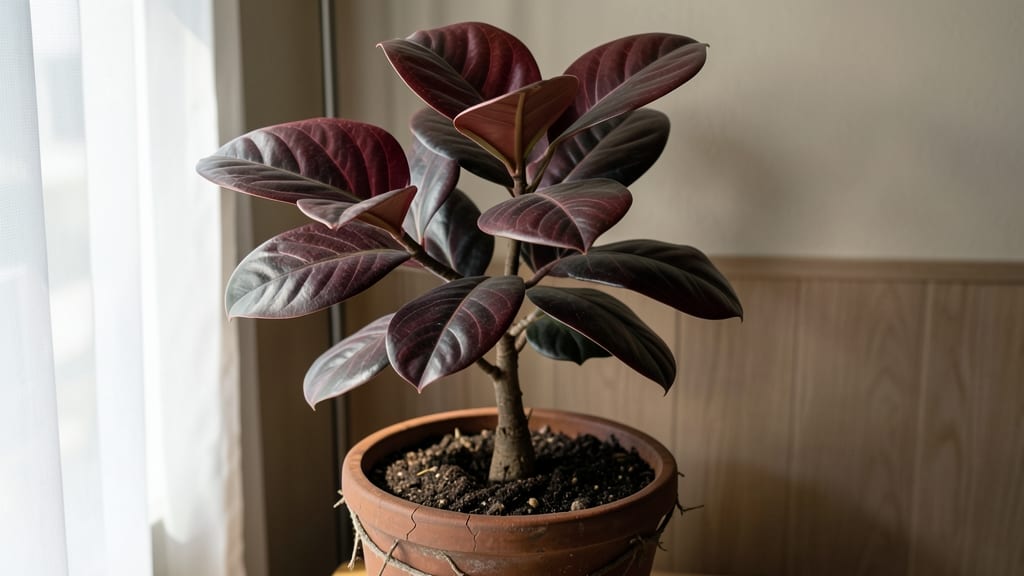
Wondering how tall does a rubber plant grow before it becomes a living room giant? If you’ve ever admired a lush 🌿 Ficus elastica in a friend’s home and wondered how to keep yours from reaching ceiling height, you’re not alone.
Indoor rubber plants can grow anywhere from 3 to 10 feet tall, depending on the variety and care routine. Some types, like the ‘Robusta’, can shoot up quickly if left unchecked, while others stay more compact with the right pruning.
The key to controlling its height lies in understanding its growth habits and adjusting your care accordingly.
In this guide, I’ll break down the height ranges for popular varieties, share pro tips to manage growth, and help you decide where to place your plant so it thrives without taking over your space.
Whether you’re a beginner or a seasoned plant parent, these insights will keep your rubber plant happy—and at the perfect height for your home.
Ready to learn how to keep your 🌿 rubber plant at your desired size? Let’s dive into the details so you can enjoy its beauty without the overgrowth!

Rubber plant height limits by popular variety: what to expect indoors
Rubber plants (Ficus elastica) are stunning indoor plants that can become architectural focal points—but their height depends heavily on the variety and your care routine. Without pruning, some types can stretch toward the ceiling in just a few years, while others stay compact.
Let’s break down what to expect from popular varieties under ideal indoor conditions.
Most rubber plants thrive indoors with bright indirect light and moderate humidity. When given these conditions, they grow 1-2 feet per year, but their mature height varies widely.
A small pot or root-bound conditions will stunt vertical growth, while a large container and consistent care can encourage rapid upward expansion.
Here’s a quick reference for how tall common rubber plant varieties grow indoors, along with key care notes to manage their height:
The 'Robusta' variety is the fastest grower, often reaching 12 feet indoors if unpruned, while the 'Doescheri' stays shorter due to its variegated foliage, which requires more energy for color maintenance.
Light exposure is critical—low-light conditions cause leggy growth, while too much direct sun can scorch leaves and slow vertical expansion.
Pot size plays a surprising role in height control. A smaller pot (10–12 inches) will restrict root growth, slowing height increases, while a large container (16+ inches) encourages rapid upward growth.
If you want a bushier plant, repot into a wider (not deeper) container and prune the top stem to stimulate side shoots.
Humidity also affects height. Rubber plants native to tropical regions thrive in 40–60% humidity. In dry indoor air (common in homes with forced-air heating), they stretch toward light sources, leading to taller, thinner stems.
Use a pebble tray or humidifier near your plant to maintain ideal conditions and encourage balanced growth.
For varieties like 'Decora' or 'Burgundy', which can top 10 feet, consider pruning every 6–12 months to maintain manageable heights. Cut just above a leaf node to encourage new growth from that point. Propagate the cuttings in water or soil to create smaller plants or gifts for friends!
If you’re working with limited ceiling space, the 'Tineke' or 'Doescheri' varieties are excellent choices, typically staying under 6 feet with proper care. Pair them with a dwarf tomato cage for support if needed, and enjoy their vibrant foliage without the vertical commitment.
Remember, rubber plants are adaptable. With the right light balance, pruning routine, and humidity levels, you can shape their growth to fit your space—whether you want a towering statement piece or a compact desk companion. 🌿
How to control rubber plant height: pruning and training tips
Rubber plants (Ficus elastica) can grow tall and leggy if left unchecked, reaching 6 to 10 feet indoors under ideal conditions.
But with the right pruning techniques and training methods, you can shape your plant to fit your space—whether that’s a compact bush or a tall, trellised specimen. The key is timing, tools, and consistency.
Pruning isn’t just about cutting back overgrowth—it’s a way to encourage bushier growth, propagate new plants, and maintain a manageable height. For example, pinching back the top growth in early spring stimulates side shoots, while strategic cuts can redirect energy to lower stems.
Let’s break down how to do it like a pro.
If your rubber plant is already taller than you’d like, don’t panic. Even a 10-foot giant can be tamed with strategic cuts and proper aftercare.
After pruning, fertilize lightly (use a balanced 10-10-10 mix) to support new growth. Avoid overwatering, as soggy soil can stress the plant and slow recovery.
For extra bushiness, try pinching the top few leaves when your plant is 6-12 inches tall. This tricks the plant into growing side shoots instead of just stretching upward. It’s a game-changer for keeping your rubber plant compact and lush—perfect for small spaces or shelves.
Remember, pruning is an art, not a science. Start small, observe how your plant responds, and adjust your approach. With practice, you’ll have a perfectly sized rubber plant that fits your space—and maybe even a few new plants to share with friends! 🌿✂️🪴