
Plants
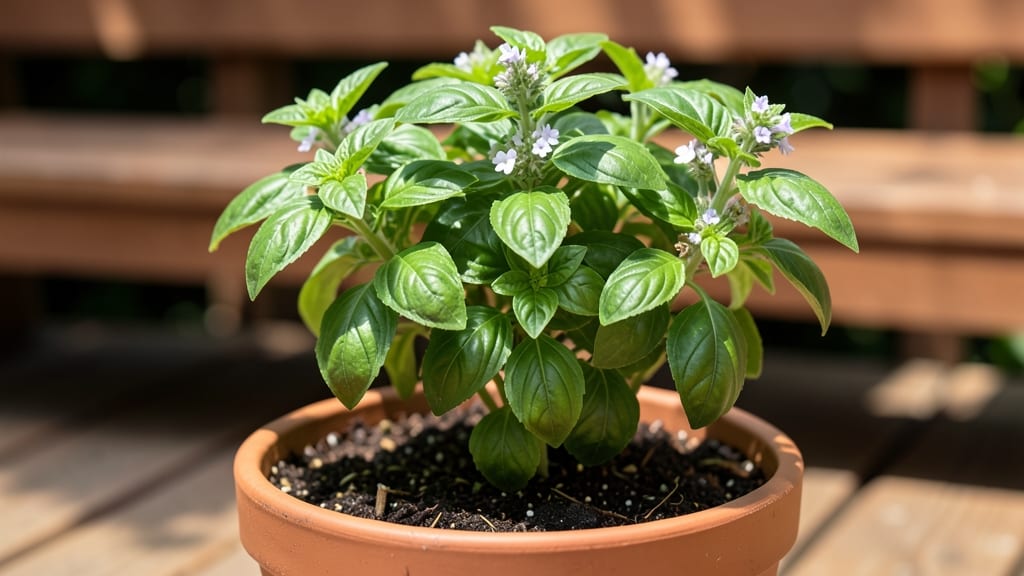
If you’ve ever watched your 🌿 basil stretch skyward like a sunflower, you might be wondering just how tall these fragrant plants can grow. The answer isn’t as simple as you’d think—some varieties stay compact, while others can reach nearly waist-high if left unchecked.
Whether you’re growing basil in pots or garden beds, understanding its height potential is the key to keeping it lush and productive.
Standard basil plants typically max out around 18 to 24 inches, but dwarf varieties stay as short as 6 to 12 inches. The difference? Genetics, pruning habits, and sunlight exposure all play a role.
Without proper care, even a small basil can become leggy and woody, sacrificing flavor for height. The good news? With a few simple techniques, you can control its growth and keep it at your ideal height—whether that’s a tidy container plant or a towering herb garden centerpiece.
Pruning isn’t just about keeping basil from getting too tall—it’s also how you encourage bushier, more flavorful growth. By pinching back the tips regularly, you signal the plant to branch out instead of shooting upward.
This method works for both compact and tall varieties, ensuring you get a steady harvest of fresh leaves without sacrificing height control. Ready to learn the exact pruning techniques that’ll keep your basil thriving at the perfect size?
From Genovese to Thai basil, each variety has its own growth quirks. Some are naturally short, while others need a little extra guidance to stay manageable. Whether you’re dealing with a 2-foot giant or a 6-inch dwarf, the secrets to managing height are the same.
Let’s dive into the factors that influence basil growth—and how you can shape it to fit your garden (or kitchen) perfectly.

Basil plant height limits by variety: from compact to towering
If you've ever wondered whether your basil will stay compact or stretch toward the sky like a sunflower, the answer depends entirely on the variety you're growing. Genetics set the baseline, but pruning, sunlight, and container size can push those limits further.
For example, Genovese basil—the classic pizza herb—typically reaches 18-24 inches when left unchecked, while dwarf varieties like 'Spicy Globe' max out at just 6-12 inches. Understanding these ranges helps you plan your garden layout, whether you're growing basil in 5-gallon pots or sprawling garden beds.
The key to controlling basil height lies in its growth habit. Most basil plants are indeterminate growers, meaning they don’t have a fixed height limit—they’ll keep stretching until they meet a barrier (like your kitchen ceiling or a pruning shears).
However, bush basil varieties like 'Minette' are bred to stay compact, making them perfect for container gardening or window sills. Even within the same variety, factors like pruning frequency and nutrient availability can shift a plant’s height by 30-50%.
Here’s a quick visual guide to compare the most popular basil varieties and their typical mature heights:
For Genovese basil, which is the most popular variety for cooking, the 18–24 inch range is ideal if you want a steady supply of large leaves.
However, if you pinch back the top sets of leaves when the plant reaches 6–8 inches, you’ll encourage bushier growth and keep it under 12 inches. This technique works for all basil varieties but is especially effective for tall-growing types like Genovese or Sweet Basil.
On the opposite end of the spectrum, dwarf varieties like 'Spicy Globe' are bred to stay under 10 inches, making them perfect for hanging baskets or windowsill gardens. These compact plants thrive in 5–7 gallon containers and rarely need pruning beyond occasional leaf harvesting.
Their genetic makeup includes stunted growth hormones, which limit their height without sacrificing leaf production.
If you’re growing basil in garden beds, height becomes less of a concern unless you’re dealing with overcrowding. In open soil, basil can spread 12–18 inches wide while reaching its full height potential. To prevent legginess, space plants 12–18 inches apart and provide supportive stakes if needed
How to control basil height: pruning techniques for bushy growth
If your basil plant is stretching toward the sky like a sunflower instead of growing bushy and compact, it’s time to take control with strategic pruning.
The key to managing basil height lies in understanding when and how to prune—whether you want a compact bush for containers or a taller stalk for harvests. With the right techniques, you can encourage more leaves, stronger stems, and the perfect height for your garden or kitchen.
Let’s break down the steps to transform leggy basil into a thriving, well-shaped plant.
Pruning basil isn’t just about cutting back—it’s about encouraging branching and preventing legginess. When you prune correctly, you trigger the plant to produce secondary stems, which means more leaves and a fuller appearance.
The best time to start pruning is when your basil reaches about 6 inches tall. This is when it’s strong enough to handle the stress of pruning but not so tall that it’s already become woody or leggy.
Think of it as giving your plant a little "haircut" to shape its future growth.
Step-by-Step Basil Pruning Guide
- 🌱 Step 1: Identify the Right Time
Prune when your basil has 4-6 sets of leaves and is about 6 inches tall. This is the ideal stage to encourage branching. - 🌿 Step 2: Pinch the Top Growth
Use your fingers or clean scissors to pinch off the top 2-3 inches of the main stem. This removes the terminal bud, which forces the plant to grow side branches. - ✂️ Step 3: Make Clean Cuts
If using scissors, cut just above a leaf node (the point where leaves grow). Avoid tearing the stem to prevent disease. - 🌿 Step 4: Encourage Bushiness
After the first pinch, watch for new side shoots. Once these reach 4-6 inches, repeat the process to create a fuller bush. - 💧 Step 5: Harvest Regularly
Harvest leaves from the bottom up to encourage upward growth. Always cut just above a leaf node to promote new growth. - 🌱 Step 6: Maintain Height
For compact growth, keep pruning the top. For taller plants, allow some stems to grow longer before pruning.
One common mistake is pruning too late in the season. If you let your basil grow too tall before pruning, the stems can become woody and less productive. Aim to prune every 2-4 weeks during the growing season to keep your plant in check.
This frequent maintenance ensures your basil stays bushy, healthy, and full of flavor. Plus, the leaves you prune are perfect for cooking or drying!
For container-grown basil, pruning is especially important because space is limited. Without regular pruning, your plant will grow leggy and top-heavy, which can cause it to tip over.
By pinching back the top growth early, you’ll encourage a sturdy, compact plant that fits perfectly in your windowsill or balcony garden. Just remember: the more you prune, the more leaves you’ll harvest over time.
If you’re growing basil for long stems or flowers, you can allow some stems to grow taller before pruning. However, if your goal is maximum leaf production, keep the plant on the shorter side by pruning regularly.
The key is to balance height and bushiness based on your needs. Whether you’re aiming for a 6-inch dwarf variety or a 24-inch towering plant, pruning gives you the control to shape your basil just the way you want it.
With these techniques, your basil will thrive, producing abundant leaves and a neat, manageable height. Happy pruning—and enjoy your homegrown basil all season long! 🌿